
 English
 русский

China Home Cleaning Appliances Manufacturer: OEM and ODM Guide
China Home Cleaning Appliances Manufacturer: What to Settle Before You Send an Inquiry
Picture an importer who approves a steam mop sample in spring, books a container for summer, and then discovers that the cable on the production run is shorter than the sample and the plug type does not match the retailer's listing. The boiler and pump work as expected, yet the shipment waits in a warehouse while cords and labels are reworked. Situations like this are the reason buyers look for a dependable China home cleaning appliances manufacturer instead of simply comparing product photos.
The short answer is this: choose a factory that controls its own tooling, can show safety certification for your target market, keeps production units consistent with the approved sample, and communicates clearly during OEM and ODM projects. Colour options, accessories and packaging can be adjusted later, but these four points decide whether a project runs smoothly or turns into a series of corrections.
This guide is written for importers, distributors, wholesalers and private label brands that source steam mops, steam cleaners, steam and sweeper models and related household appliances. It explains how a China electric cleaning appliances manufacturer is usually assessed, what a China steam cleaning appliances supplier should be able to explain about its products, how China cleaning appliances custom projects move from idea to shipment, and what a China home cleaning products exporter needs to prepare for different markets. Examples refer to Ningbo Yuexiang Electric Appliance Co., Ltd., a factory in Cixi, Ningbo, that has focused on home cleaning appliances since 2008.
Who Benefits Most From This Guide
- Importers and distributors building a steam cleaning range for retail shelves.
- Wholesalers who need steady supply of household cleaning appliances for several customers.
- Private label and e-commerce brands that want a custom design with their own branding.
- Procurement teams comparing several factories and looking for a clear checklist.
Key conclusion: tooling control, certification, sample consistency and clear communication are the four checks that matter most when choosing a factory.
Ningbo Yuexiang Electric Appliance Co., Ltd. as a Home Cleaning Appliances Manufacturer in Ningbo
Founded in 2008, Ningbo Yuexiang Electric Appliance Co., Ltd. specializes in home cleaning appliances for both overseas and home markets. The company is located in Wanyang (Henghe) Entrepreneurial City, Henghe Town, Cixi City, Ningbo, China. It has its own mould making shop supported by experienced technical engineers, together with injection machines and product assembly lines.
The factory mainly manufactures steam mops, steam cleaners, steam and sweeper models, pet electrical appliances, neck massagers and related products. Its mission is to deliver high quality products and good service, and it serves customers in more than 30 countries and regions across Europe, the United States and Southeast Asia. Its products have passed safety certifications including GS, CE, RoHS, FCC, UL, PSE and SAA.
Owing to stable product quality and responsive service, the company has been well accepted by its business partners. It looks forward to welcoming new customers, and OEM and ODM inquiries are always welcome.
What the Factory Setup Means for Buyers
Having mould making, injection moulding and assembly under one roof changes how problems are solved. If a water tank cap does not seal as expected, the engineers who built the tool can inspect it directly instead of passing drawings between several workshops. For a buyer, that usually means shorter communication chains and clearer answers when a sample needs adjustment.
- Mould shop: supports new tooling, insert changes and routine tool maintenance.
- Injection machines: produce housings, tanks, handles and pad holders in house.
- Assembly lines: bring parts together and run function checks before packing.
- Technical engineers: translate a buyer's brief into drawings, samples and test plans.
Product Lines Covered
A broad but focused range helps buyers who want to cover several household needs with one supplier. Steam mops handle hard floors, steam cleaners deal with kitchens, bathrooms and small surfaces, and steam and sweeper models combine wet and dry cleaning. Pet electrical appliances and neck massagers extend the catalogue for retailers who sell into the wider home care category.
Key conclusion: in-house moulds, injection and assembly give buyers one team to speak with about design, fit and production.
How to Evaluate a China Electric Cleaning Appliances Manufacturer
A reliable China electric cleaning appliances manufacturer can answer six practical questions with documents rather than adjectives. If a factory describes itself as professional but cannot send a mould list, a certificate copy or a test routine, the claim is hard to verify. The table below turns those questions into a checklist you can attach to your first inquiry.
| Check | What to Request | Why It Matters |
|---|---|---|
| Tooling ownership | Mould list and tool photos | Shows how quickly design changes can be made |
| Certification | Certificates and test reports linked to the model | Reduces the risk of customs or retailer rejection |
| Sample record | Signed sample and a retained reference unit | Gives both sides a fixed standard for production |
| Line testing | Description of per-unit electrical and function tests | Lowers the chance of early failures in use |
| Spare parts | Parts list for pads, hoses, tanks and accessories | Supports after-sales service in your market |
| Packaging | Carton drop test result and label proof | Reduces transit damage and labelling errors |
Not every check carries the same weight for every buyer. Before looking at the chart below, keep in mind that the scores reflect common planning priorities rather than a formal survey. They are meant to help you decide which questions to ask first.
The bar chart ranks six supplier checks by the planning weight importers commonly give them. Safety certification readiness sits at the top with a score of 92, because a missing certificate can stop a shipment at customs or lead a retailer to reject a listing. Tooling and mould capability follows at 85, which reflects how strongly tooling ownership affects design changes and part fit. Sample consistency scores 80, showing that buyers pay close attention to whether production units match the approved sample. Packaging and label support scores 60, yet it still matters because a damaged carton or a wrong barcode can undo careful work earlier in the chain. These figures are indicative planning values rather than survey results, so each buyer can reorder them according to market and sales channel.
Red Flags That Deserve a Second Look
- Certificates that show a different model name from the one being quoted.
- Product specifications that change from one message to the next without explanation.
- No clear answer about who owns the moulds or where they are stored.
- Reluctance to share a test routine or allow a third party inspection.
Key conclusion: ask for documents on certification, tooling and testing first, because they show how a factory actually works.
What a China Steam Cleaning Appliances Supplier Should Be Able to Explain
A China steam cleaning appliances supplier should describe heating power, tank size, heat-up time and steam control in measurable terms. When those numbers are missing, comparing two factories becomes guesswork, and your own product listing ends up repeating vague claims. The sections below show what to look for in each product type.
Steam Mops
Household steam mops commonly use heating elements in the range of 1,000 W to 1,500 W, with water tanks between 300 ml and 450 ml and power cords around 5 m. These numbers shape the user experience directly. A longer cord reduces the need to change sockets, a larger tank allows more floor area per fill, and a stronger heater shortens the wait before the first pass. Pad design matters as well, since washable microfibre pads with a secure holder are easier for families to maintain.
Steam Cleaners
Handheld and canister steam cleaners focus on detail work such as oven doors, grout lines, taps and upholstery. Buyers should ask about the attachment set, including nozzles, brushes and extension hoses, and about the safety cap that prevents the tank from opening while pressure remains. A clear steam control setting also helps users reduce output on delicate surfaces.
Steam and Sweeper Combination Models
Steam and sweeper models pick up dry debris and then apply steam in the same session. They appeal to households with pets or children, where crumbs and hair collect quickly. For these products, ask how the dust container is emptied, how the brush roller is cleaned and how the two functions are switched, because these small details decide whether people keep using the product after the first week.
Heat-up time is one of the numbers buyers ask about most often, and it depends on both heater rating and tank size. The chart below uses indicative bench values to show how the two variables interact. Treat it as a reading guide rather than a specification for any single model.
The line chart compares indicative time to first steam for two tank sizes across four heating element ratings. At 1,000 W, a 300 ml tank reaches first steam in about 38 seconds, while a 400 ml tank needs about 52 seconds. Raising the rating to 1,500 W brings those figures down to about 21 and 29 seconds. The gap between the two lines narrows slightly at higher power, which suggests that a larger tank is easier to pair with a stronger heating element. For a household user the difference is the wait before the first pass, so buyers targeting busy families may weigh heat-up time more heavily than tank volume. Actual results depend on boiler design, supply voltage and water temperature, so a factory should confirm figures with a measured sample before they appear on packaging.
Specification Items to Request
- Rated voltage, frequency and power for each target market.
- Water tank capacity and recommended water type.
- Cord length, plug type and strain relief design.
- Steam level settings and the safety lock or overheat protection used.
- Pad material, washability and the list of included accessories.
Key conclusion: a steam supplier that quotes heater rating, tank size and heat-up time together gives you data you can use in your own listing.
China Cleaning Appliances Custom: OEM and ODM Projects From Brief to Shipment
A China cleaning appliances custom project goes well when the brief fixes the target market, voltage, plug type, key features and appearance direction before tooling begins. Changes made after tool steel is cut take longer and often require additional validation. Ningbo Yuexiang welcomes both OEM and ODM work, and the two routes differ in scope as shown below.
| Aspect | OEM Route | ODM Route |
|---|---|---|
| Starting point | Buyer's design or brief | Factory's existing design with adjustments |
| Tooling | Often new moulds | Existing moulds reused, with insert or colour changes |
| Branding | Buyer's logo, packaging and manual | Buyer's logo, packaging and manual |
| Typical buyer | Brand with a defined product concept | Importer or e-commerce seller seeking a faster launch |
| Development time | Longer | Shorter |
Typical Project Steps
- Brief: target market, voltage, plug, features, colour direction and packaging idea.
- Feasibility review: engineers check structure, heater selection and safety requirements.
- Design and drawings: appearance, 3D files and bill of materials are confirmed.
- Tooling: moulds are built, trialled and adjusted in the mould shop.
- Samples and testing: function, safety and packaging checks are completed and approved in writing.
- Pilot run: a small batch confirms that the line can reproduce the sample.
- Mass production and inspection, followed by loading and shipment documents.
Time is usually the first question after scope. The stacked columns below split three project routes into stages so you can see where the weeks go. The numbers are indicative planning values and will change with product complexity.
The stacked columns show indicative weeks for three project routes, split by stage. A private label project that uses an existing model needs about 8 weeks, since design and tooling are largely complete and time goes into samples and production preparation. A modified existing model lands near 18 weeks because new inserts or housing changes require around 6 weeks of tooling work. A new ODM design reaches about 29 weeks, with 10 weeks for tooling and 8 weeks for samples and testing. Tooling is the largest single block in both the modified and new routes, so early decisions about appearance and structure save the most time. Buyers who need stock for a seasonal window should work backward from the shelf date and add buffer for certification testing, which can run alongside sample approval when planned early.
Key conclusion: fix the brief before tooling starts, and use an existing model when the launch window is tight.
In-House Mould Making and Injection Moulding for Consistent Home Cleaning Products
A factory with its own mould shop can usually keep product shape and fit more consistent from the first sample to the last carton. Moulded parts form most of what a user sees and touches on a steam mop or steam cleaner, so small tooling differences show up quickly in daily use. This is why tooling capability ranks so high in supplier checks.
Where Moulds Affect the End User
- Water tank and cap: the seal depends on thread depth and wall thickness, and affects leaks during refilling.
- Handle and body shells: gaps between halves influence both appearance and long-term rigidity.
- Pad holder and swivel joint: smooth movement on the floor relies on accurate fits between plastic parts.
- Steam outlet position: correct placement keeps steam on the pad and away from the user's feet.
Tool Maintenance and Revisions
Moulds wear with use, and a factory that maintains its own tools can schedule cleaning, polishing and part replacement before quality drifts. For custom projects, the same shop can cut new logo inserts, adjust texture or change colour parts without rebuilding the whole tool. Buyers should ask who owns each mould, where it is stored and how many shots it has completed, so that replacement planning is clear well before a reorder.
Injection moulding also links to colour control. Resin batches, drying time and machine settings affect colour match, so a buyer with a brand colour should approve a physical colour sample instead of relying on a screen reference. Keeping a retained colour plaque at the factory makes later reorders easier to compare.
Key conclusion: an in-house mould shop supports steadier fit, colour and tool upkeep across repeat orders.
Safety Certifications a China Home Cleaning Products Exporter Should Prepare
Certification is tied to both the model and the market, so a certificate for one version of a steam mop does not automatically cover another version with a different heater or plug. A prepared China home cleaning products exporter can tell you which marks apply to your destination and send matching documents. Ningbo Yuexiang states that its products have passed GS, CE, RoHS, FCC, UL, PSE and SAA certification, which covers the main marks requested across Europe, North America, Japan and Australia.
The grid below summarises how often each mark is requested in five market groups. It is a planning aid, and final requirements should always be confirmed with your local importer or compliance contact.
The grid shows how often each certification mark appears in requests for five market groups, using three levels: core, often and rare. Europe places CE and RoHS at the core level and GS at the often level, so a model aimed at that region usually needs all three documented. The United States leans on UL, with FCC and RoHS often requested depending on the retailer and the electronics inside the product. Japan centres on PSE, and Australia centres on SAA, so these two markets reward early planning because their marks differ from the European set. Southeast Asia shows CE and RoHS at the often level, but national rules differ, so a local importer should confirm the final list. Each certificate is tied to specific models, which is why the factory should confirm coverage per project instead of quoting a general list.
Document Pack to Request Before Ordering
- Certificate copies and test report numbers that match the exact model name.
- Declaration of conformity and RoHS declaration for the target market.
- User manual in the destination language with required safety warnings.
- Rating plate and carton label proofs for approval before printing.
Key conclusion: match certificates to the exact model and market before the order is confirmed.
Matching Steam Mop, Steam Cleaner and Sweeper Models to Your Sales Channel
No single steam product suits every customer, so the most useful range choice starts with how your buyers clean. A steam mop covers large floor areas, a steam cleaner handles detail work, and a steam and sweeper model combines dry pickup with wet cleaning. Choosing the right mix lets a China home cleaning appliances manufacturer support a clear, uncluttered catalogue instead of many overlapping items.
The radar chart compares the three product types on six household needs. Scores use a five point scale and are meant to guide range planning, not to replace testing on your own samples.
The radar chart scores three steam product types on six household needs using a five point scale. The steam mop reaches 5 for floor coverage but only 1 for dry debris pickup, so it suits homes with hard flooring that are vacuumed separately. The steam cleaner scores 5 for spot and grout detail and 4 for storage convenience, which fits kitchens, bathrooms and car interiors. The steam and sweeper model scores 5 for dry debris pickup and 4 for pet household suitability, making it useful where hair and crumbs collect between mopping sessions. Ease of maintenance sits at 3 or 4 for all three, which indicates that descaling and pad washing deserve attention in every product type. The scores are indicative planning values and should be checked against your own customers' feedback.
Channel Fit Examples
- Retail chains in Europe: steam mops with clear safety marking and multilingual manuals.
- E-commerce sellers in North America: steam cleaners with a full attachment set, which supports strong product photos and bundle listings.
- Distributors in Southeast Asia: compact steam mops and combination models suited to tile floors in apartments.
- Pet-focused retailers: steam and sweeper models alongside pet electrical appliances from the same supplier.
Key conclusion: build the range around how your customers clean, and keep each product clearly different from the others.
Quality Control, Samples and Shipment Planning With a China Home Cleaning Products Exporter
Quality problems rarely come from one big mistake; they usually build up from small gaps between the approved sample and the production line. A clear sample approval record, a structured inspection plan and a realistic shipment schedule close most of those gaps. These steps apply to any China home cleaning products exporter, and they are worth agreeing on before the deposit is paid.
Sample Approval
Approve the sample in writing and list what was checked: dimensions, weight, cord length, plug type, colour, accessories, pad size and packaging. Ask the factory to keep a matching reference unit so that later production can be compared against the same standard. If the sample is revised, update the record so both sides work from the latest version.
Inspection Plan
An inspection plan assigns attention to the stages where problems are most likely to appear. The chart below shows an indicative split that a buyer can use as a starting point when discussing the plan with a factory. It does not describe the practice of any single supplier.
The donut chart shows an indicative split of inspection attention across five production stages. Assembly line function tests take the largest share at 30 percent, because every unit needs heat-up and steam output confirmation. Incoming parts and heaters follow at 25 percent, reflecting how much final performance depends on heating elements, pumps and cords. Moulded housings and fit account for 20 percent, which links back to the in-house mould shop and the seal around the water tank. Electrical safety tests take 15 percent and packing and final audit take 10 percent, yet both remain essential checkpoints for every shipment. Buyers can ask any exporter for its own inspection plan and compare it with this reference split to see where emphasis differs.
Packing and Loading
Packaging should protect the product through sea or air transport and also carry the right information. Confirm carton strength, inner protection for the water tank and accessories, barcode placement and shipping marks before printing. When loading a container, ask for photos of the cartons being stacked so you can see how the goods were handled.
Key conclusion: a written sample record and an agreed inspection plan keep production close to the approved sample.
Working With a Home Cleaning Appliances Manufacturer as a Wholesaler, Distributor or Private Label Brand
The way you work with a factory should reflect your business model. A wholesaler cares about steady supply across several models, a distributor needs documents and after-sales support, and a private label brand focuses on design and packaging. Ningbo Yuexiang serves customers in more than 30 countries and regions, and it works with these different buyer types through both standard and custom projects.
Wholesalers and Distributors
Wholesale and distribution customers usually start with existing models and adjust plug type, packaging and manuals for their region. Agree early on reorder lead times, spare parts supply and how production batches are labelled, so that any later question about a specific shipment can be traced.
Private Label and E-commerce Brands
Private label brands often need their own colour, accessory set and packaging graphics. Provide artwork files and brand colour references at the start, and plan photography samples ahead of mass production so listings can go live when stock arrives. Because online buyers read reviews closely, it helps to include clear instructions and a descaling guide inside the box.
Information to Include in Your First Inquiry
- Product type and target market, including voltage and plug standard.
- Expected yearly volume and first order quantity.
- Branding needs: logo, colour, packaging and manual language.
- Certification requirements for your sales channel.
- Target launch date and preferred shipping method.
A complete inquiry saves several rounds of messages, and it lets the engineering and sales teams respond with a specific proposal. Even if some details are still open, state them as open items so the factory can suggest options.
Key conclusion: a complete first inquiry shortens the path from request to a workable proposal.
Explore More From Ningbo Yuexiang
Visit the Ningbo Yuexiang Electric Appliance website to view product categories, or send an OEM or ODM inquiry with your target market and product requirements.
Frequently Asked Questions About Sourcing From a China Home Cleaning Appliances Manufacturer
Q1: What should I look for in a China home cleaning appliances manufacturer?
Start with four points: in-house tooling, certification documents that match your model and market, a sample approval record, and clear communication. Ask for a mould list, certificate copies and a description of per-unit testing. A factory with its own mould shop, injection machines and assembly lines, such as Ningbo Yuexiang, can usually answer these questions with specific information.
Q2: Can a China electric cleaning appliances manufacturer support both OEM and ODM orders?
Yes, many factories do, and Ningbo Yuexiang welcomes both. OEM projects start from the buyer's design or brief and often need new moulds, while ODM projects adapt an existing factory design with changes to colour, logo, accessories and packaging. The ODM route is generally shorter, so it suits buyers with a near-term launch date.
Q3: What should a China steam cleaning appliances supplier include in a specification sheet?
A useful sheet lists rated voltage and power, tank capacity, cord length, plug type, steam settings, safety features, included accessories and pad material. It should also state heat-up time measured on a sample. These details help you write accurate product listings and avoid mismatched expectations at the retail level.
Q4: How long does a China cleaning appliances custom project usually take?
It depends on the route. A private label project based on an existing model may take around 8 weeks, a modified model around 18 weeks, and a new design around 29 weeks, according to common planning ranges. Tooling and sample testing take the largest share, so a clear brief and early approvals shorten the schedule.
Q5: Which certifications matter for a China home cleaning products exporter?
It depends on the destination. Europe commonly expects CE and RoHS, with GS often requested. The United States often looks for UL, with FCC and RoHS depending on the product. Japan uses PSE and Australia uses SAA. Ningbo Yuexiang states that its products have passed GS, CE, RoHS, FCC, UL, PSE and SAA, and you should confirm coverage for your specific model.
Q6: How can I reduce quality risks before the first shipment?
Approve a written sample record, keep a reference unit at the factory, agree an inspection plan, and review packing photos before loading. Consider a third party inspection for the first order. These steps keep production close to the approved sample and make any later discussion about a batch easier to resolve.
Key conclusion: choose a manufacturer that answers with documents, samples and clear plans, and your first order will start on firm ground.
-
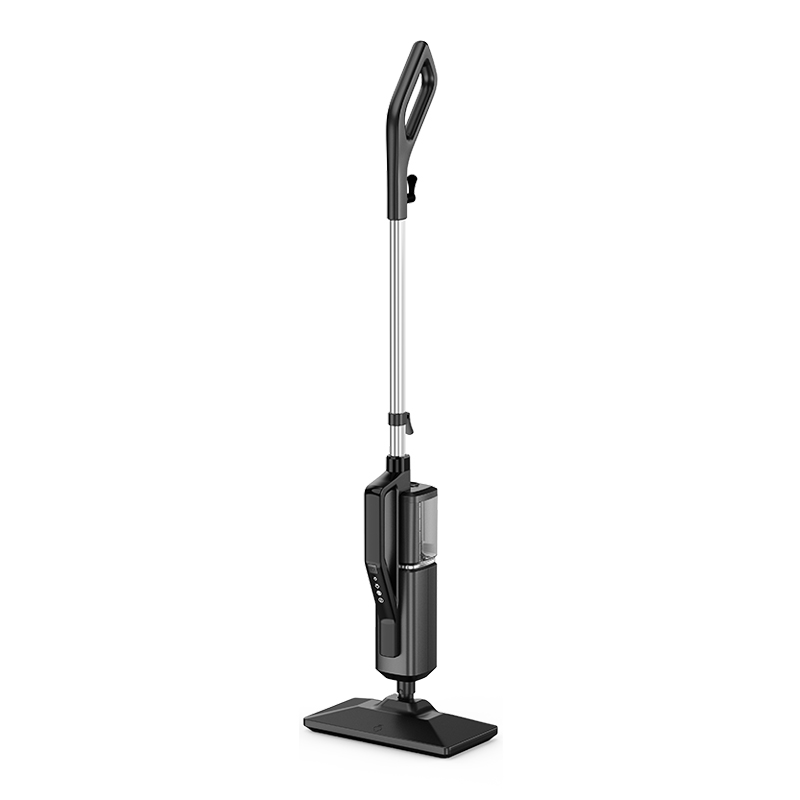 XY-617 High-Power Multifunctional Steam Mop Cleaner Portable for Home and Office Cleaning
-
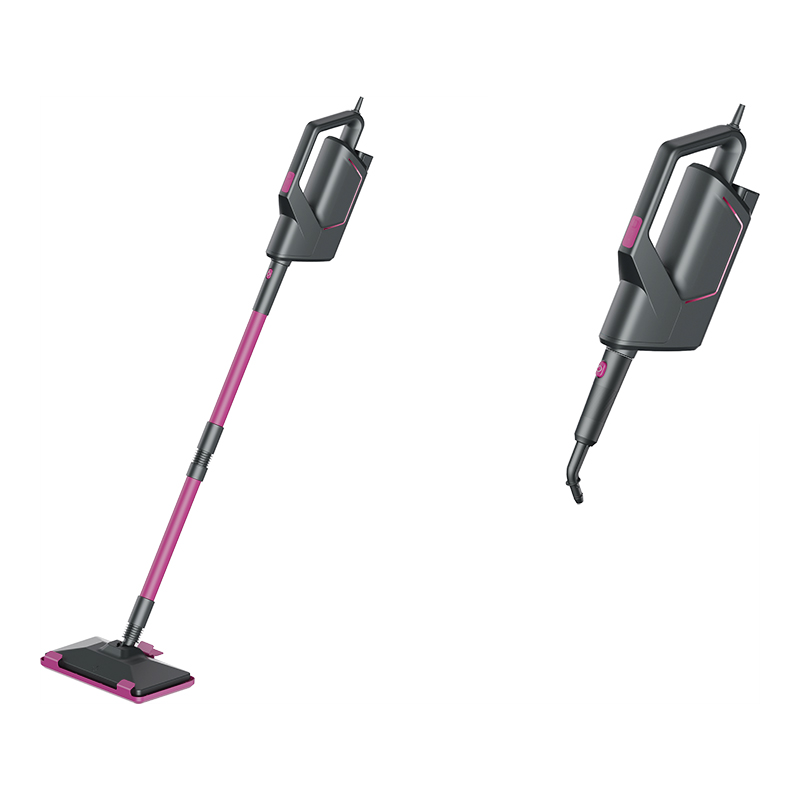 XY-614 Portable Multifunctional Steam Mop 1500W for Home and Hotel Cleaning
-
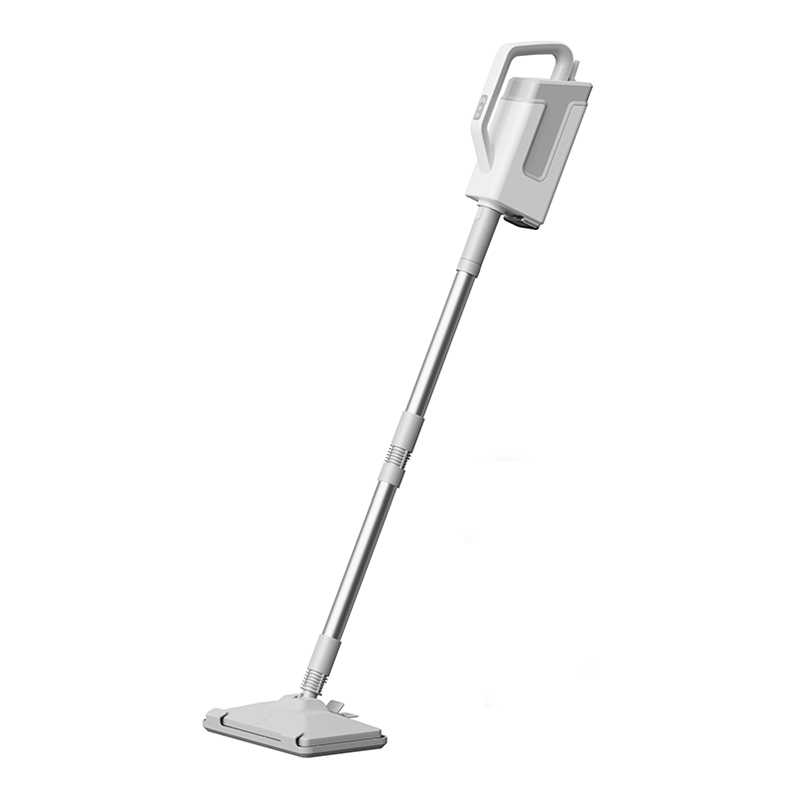 XY-612 Adjustable Handheld Multifunctional Steam Mop for Car, Home, and Commercial Use
-
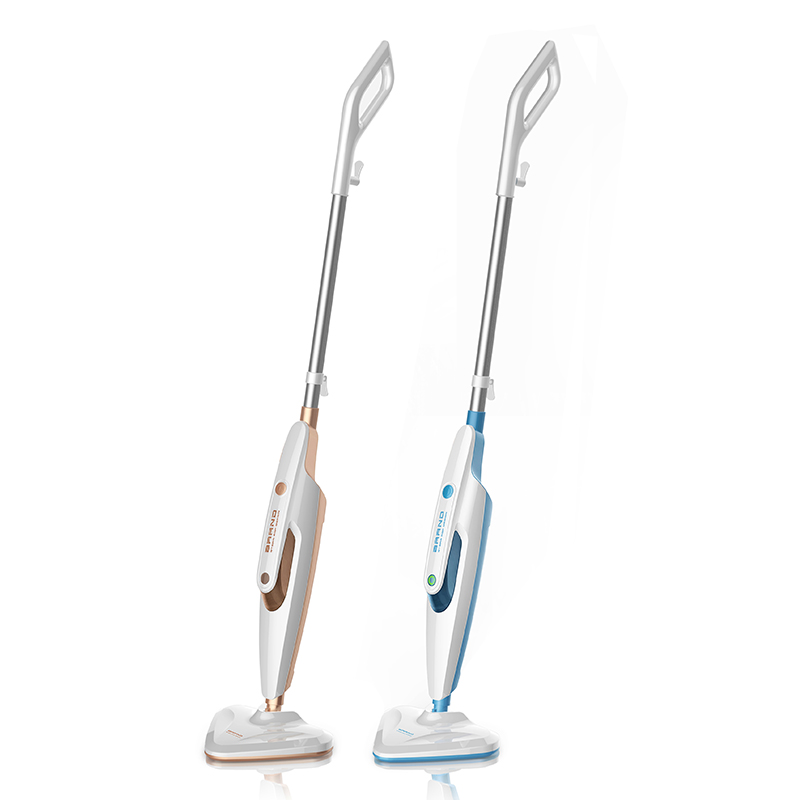 XY-318 Lightweight Steam Mop Cleaner for Residential and Commercial Cleaning
-
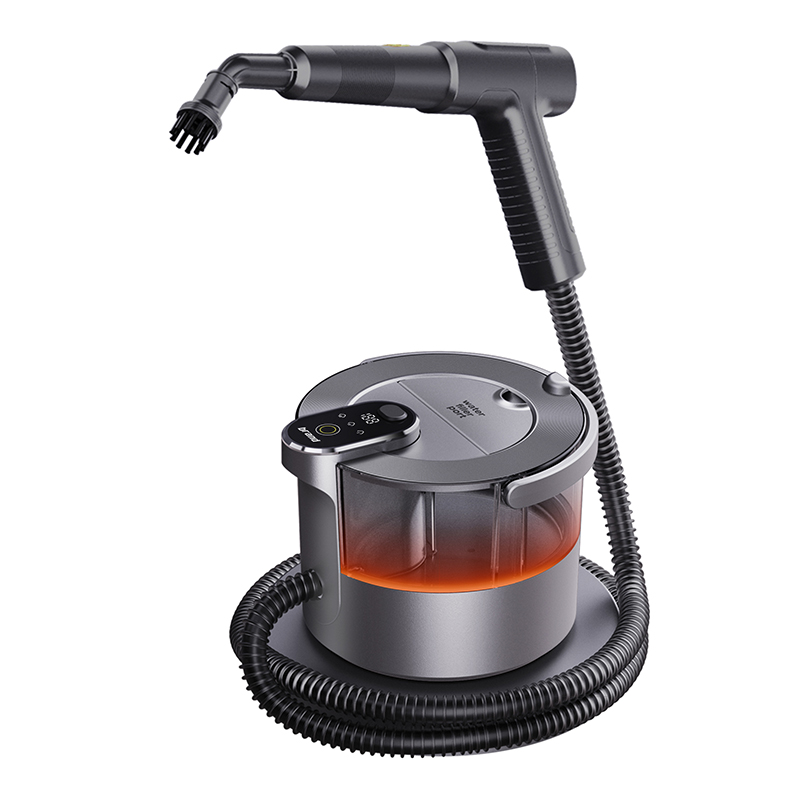 D2 Fast Heat-Up Portable Steam Cleaner for Whole House Deep Cleaning
-
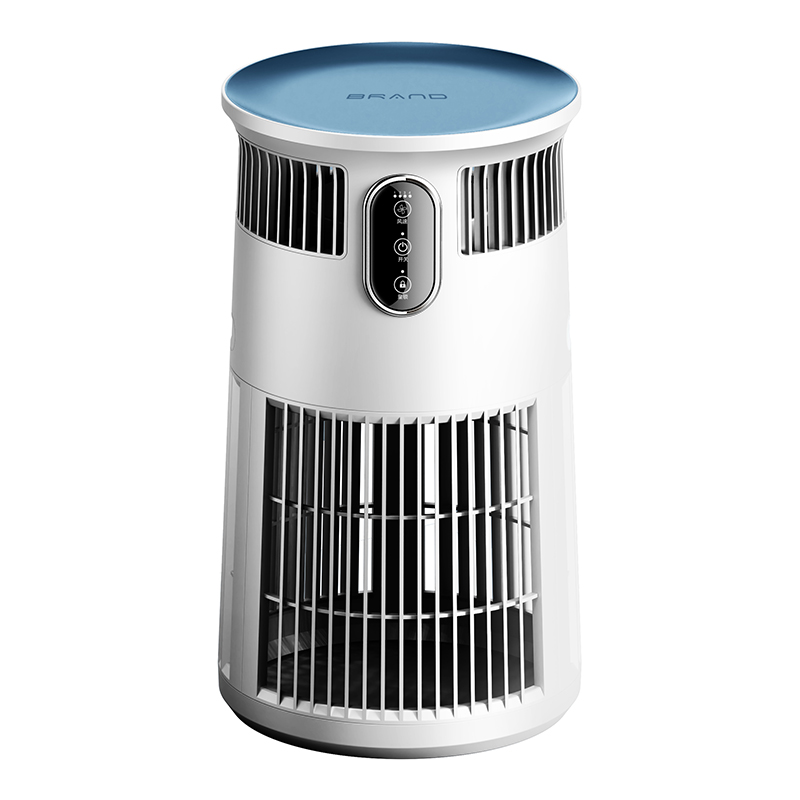 K1 Ultra-Silent HEPA Filter Pet Air Purifier for Pet Odor and Dander

- CONTACT INFORMATION
-
-
 +86-574-23889768
+86-15867411256
Got questions? Call us 24/7 -
 sales@nbyuexiang.com
Contact us now for a quote -
 Building 10, Wanyang (Henghe) Entrepreneurial City, Henghe Town, Cixi City, Ningbo,China(P.C.:315318)
-
- GET TOUCH
