
 English
 русский

Steam Mop, Floor Washer and Steam Mop and Sweeper: Which Floor Cleaner Should You Source For most hard-floor households, a steam mop is the right starting product, a multifunctional steam mop suits users who want one machine for several jo...
READ MORE
Steam Mop Manufacturer
Introduction to Steam Mop
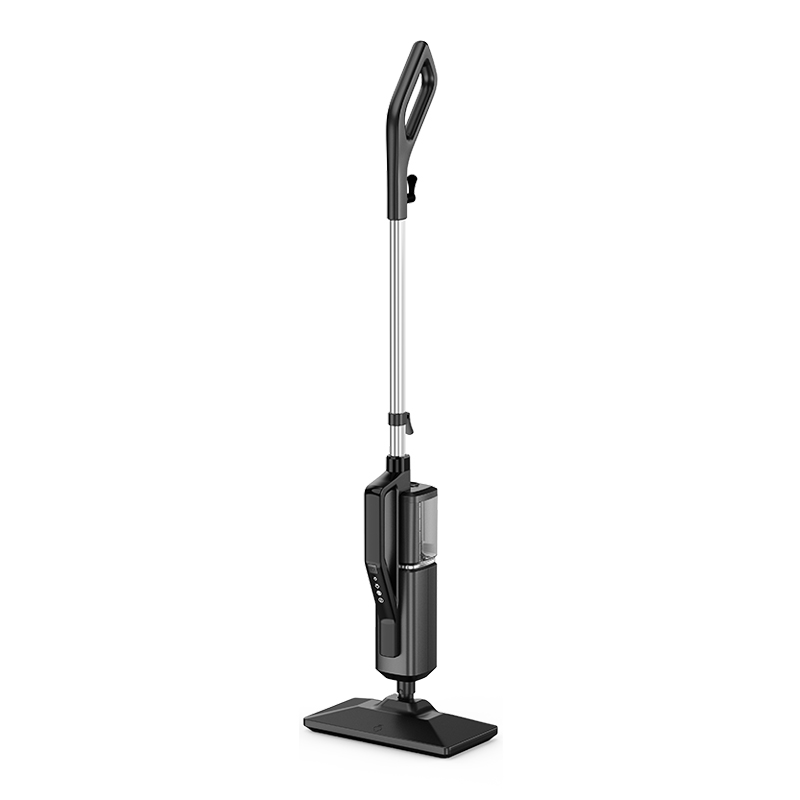
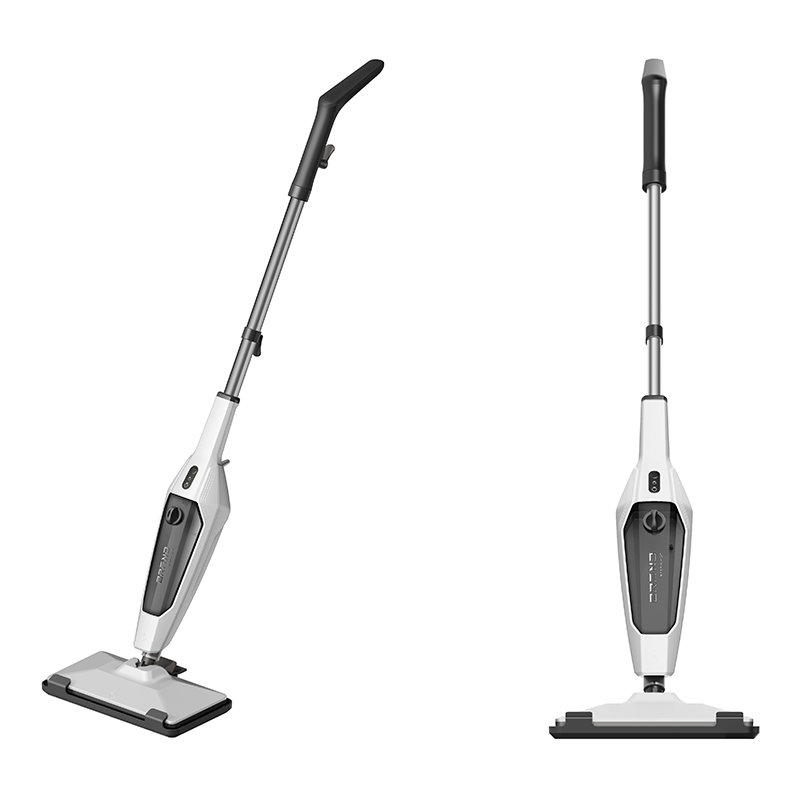
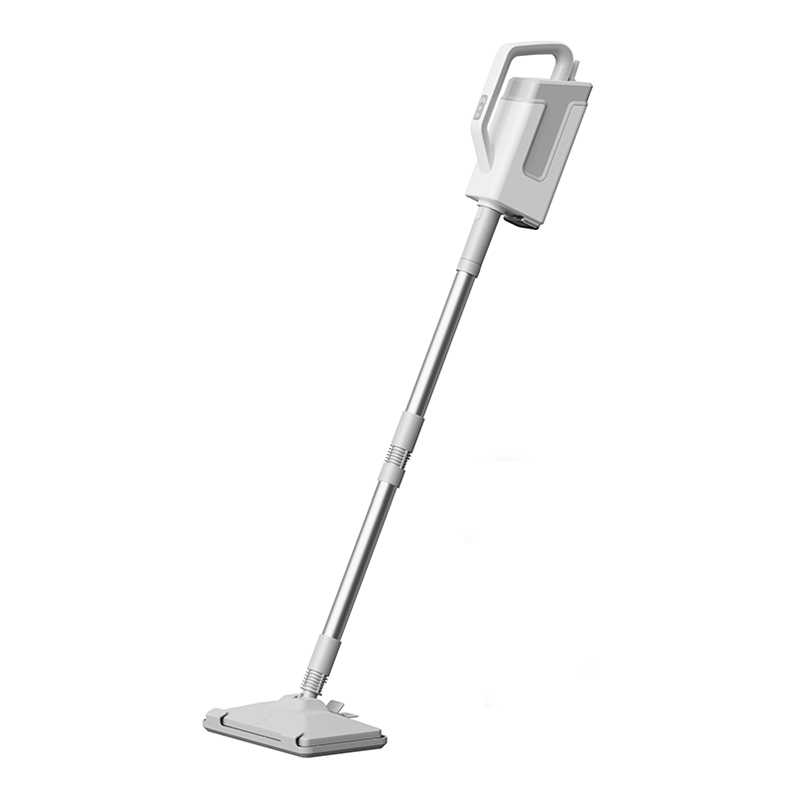
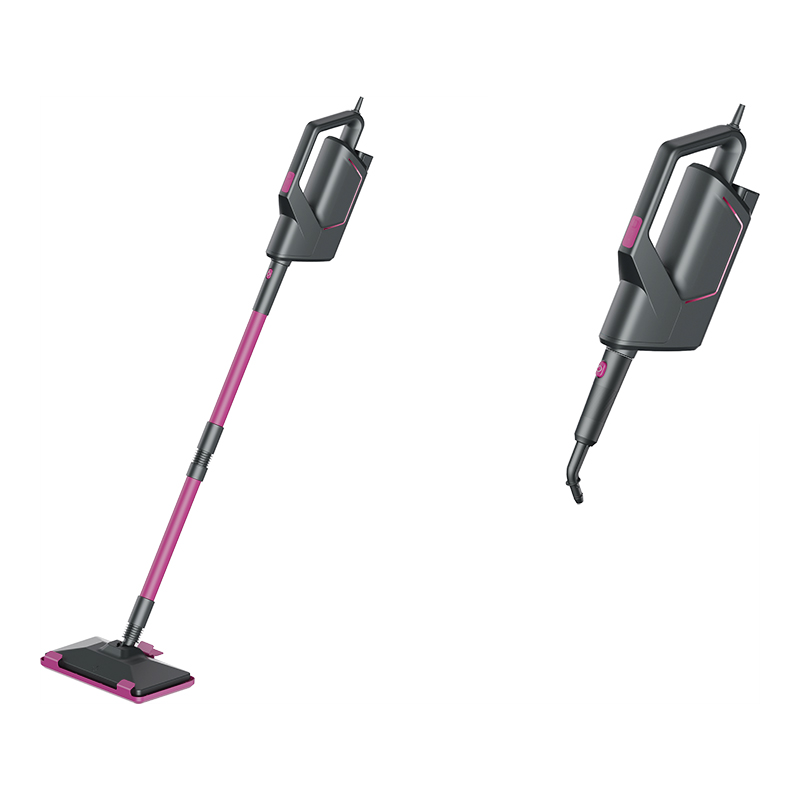
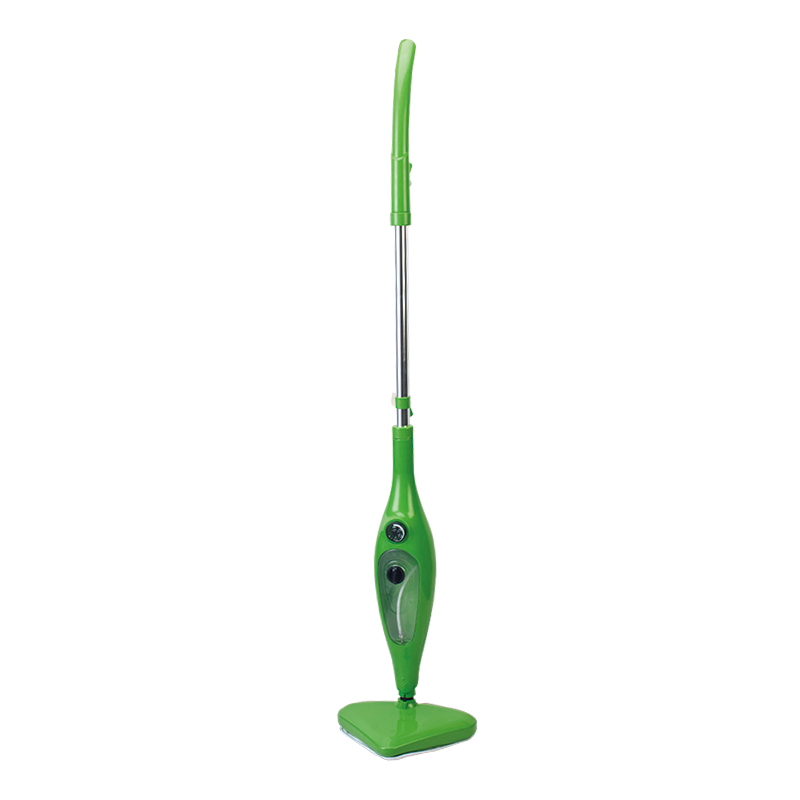
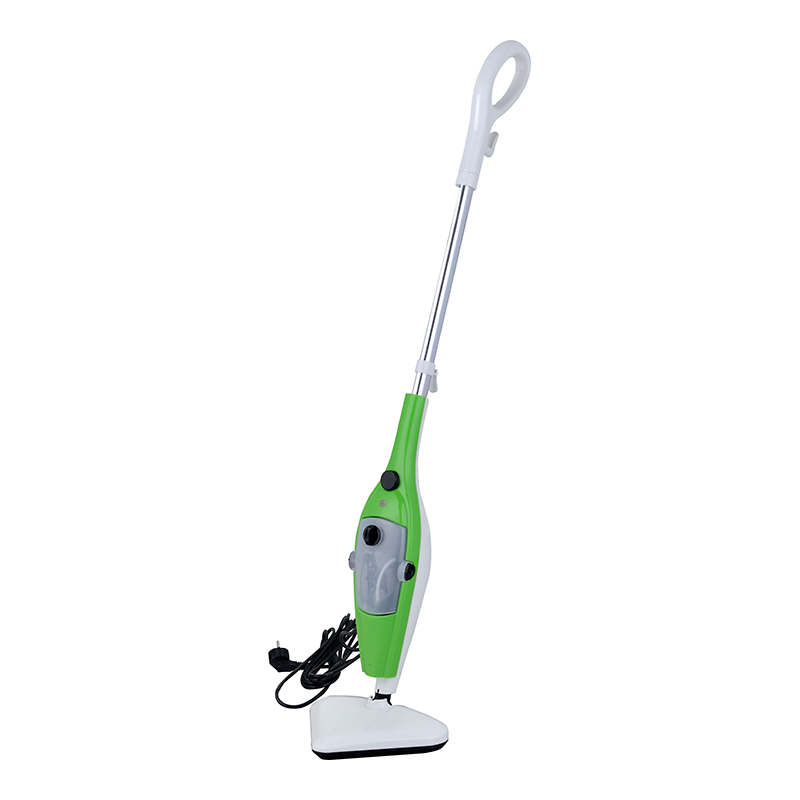
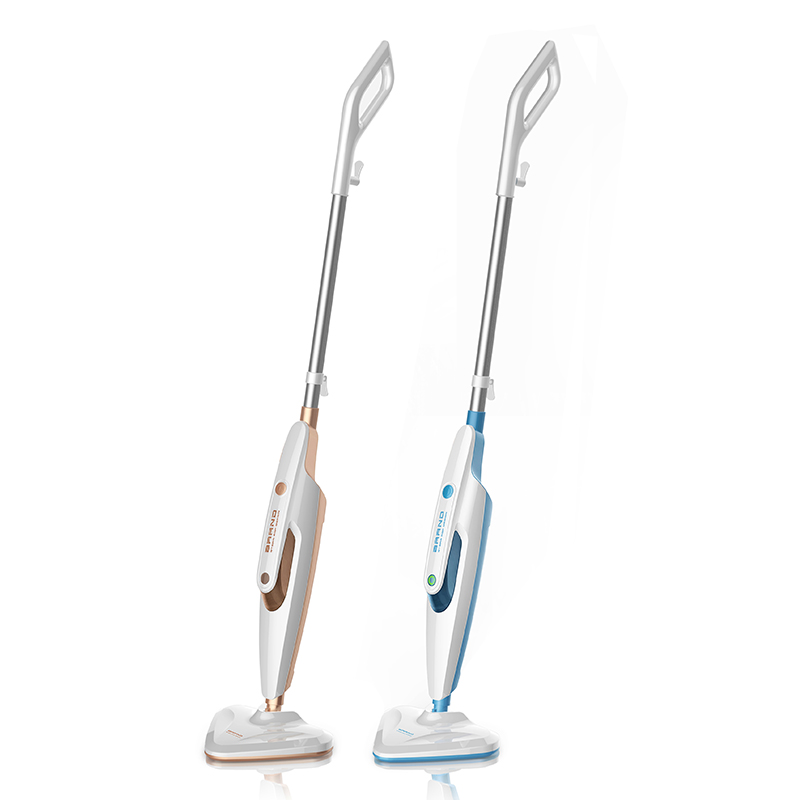
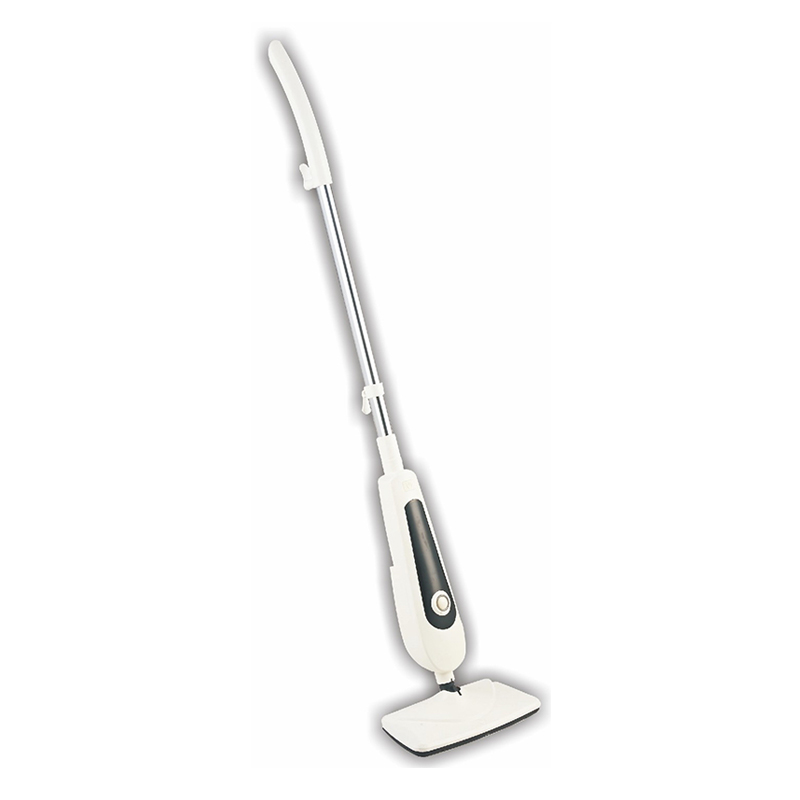
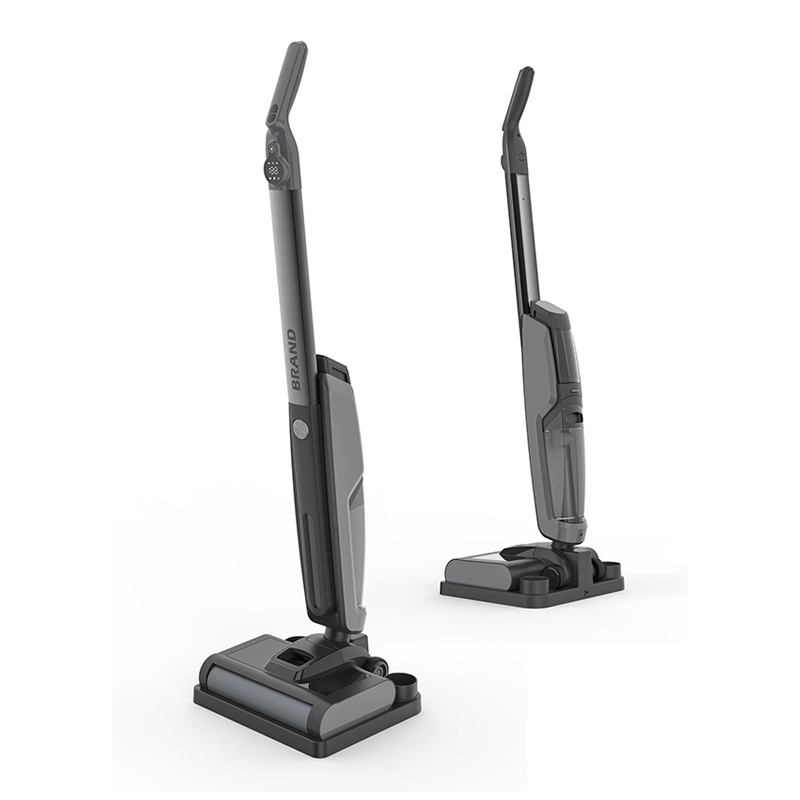
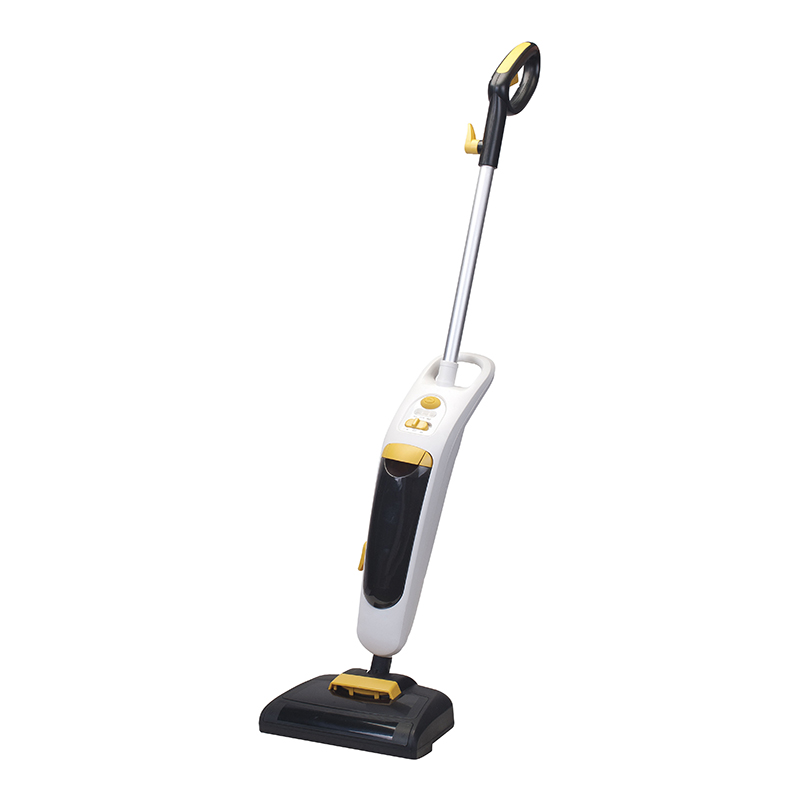
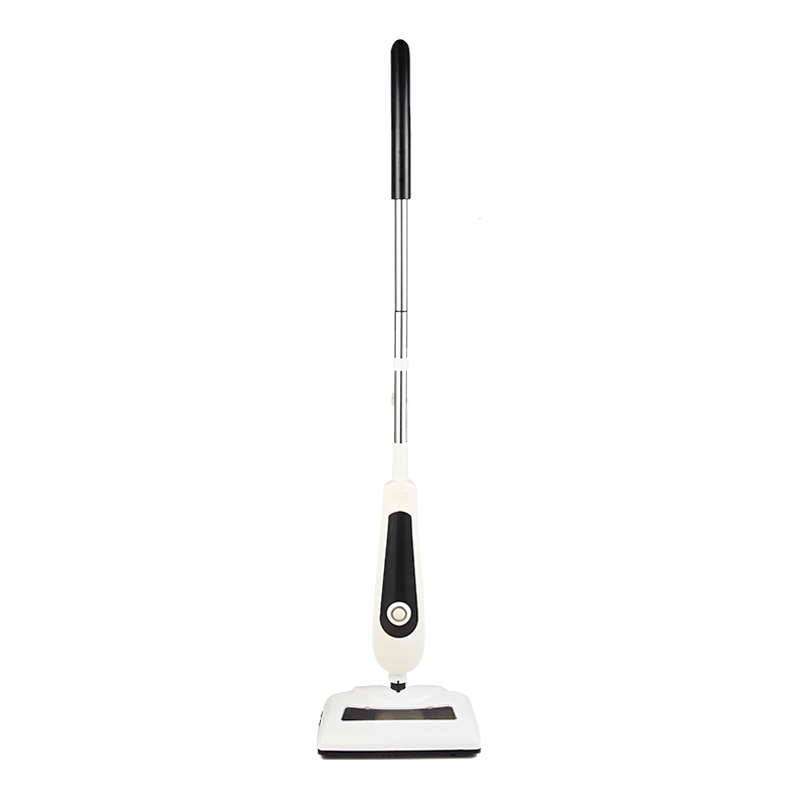
Our Multifunctional Steam Mops are versatile and high-performance cleaning devices designed for efficient, chemical-free cleaning of floors and surfaces. Using high-temperature steam, these mops effectively remove dirt, grease, stains, and bacteria, providing a hygienic environment with minimal effort. Unlike traditional mops, multifunctional steam mops combine multiple functions such as steam cleaning, scrubbing, and light vacuuming, making them ideal for both household and professional cleaning applications. Steam Mop Cleaner with Detachable Handheld Steamer for Cleaning Hardwood, Laminate Floor, Tiles and Grout, with Multi-purpose Accessories and Washable Microfiber Pads
Key features include rapid heating, adjustable steam levels, lightweight ergonomic designs, and detachable water tanks for easy refilling. Many models come with interchangeable cleaning pads and attachments, allowing users to clean hardwood, tile, laminate, and carpets with ease. Some units also feature cordless designs, foldable heads, and swivel mechanisms for better maneuverability in tight spaces.
Our product range includes several types of multifunctional steam mops, such as electric steam mops, cordless steam mops, handheld steam cleaners, and hybrid mop-vacuum combinations, catering to different cleaning needs and preferences.
Multifunctional steam mops are widely used in households, offices, hotels, hospitals, childcare facilities, and commercial spaces. Their primary applications include floor cleaning, surface sanitizing, stain removal, and maintaining a healthy indoor environment. These mops are particularly suitable for industries that require high standards of hygiene, such as hospitality, healthcare, education, and food service.
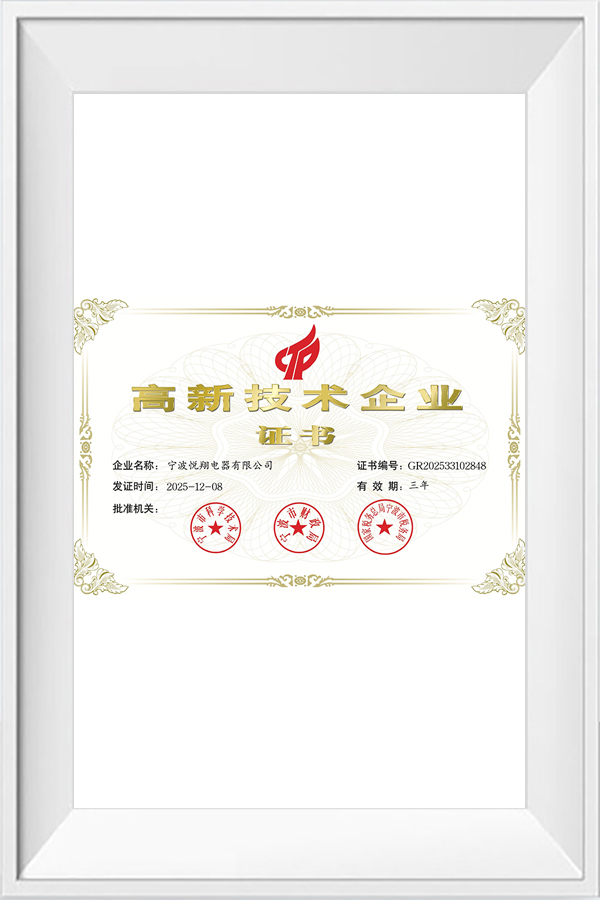
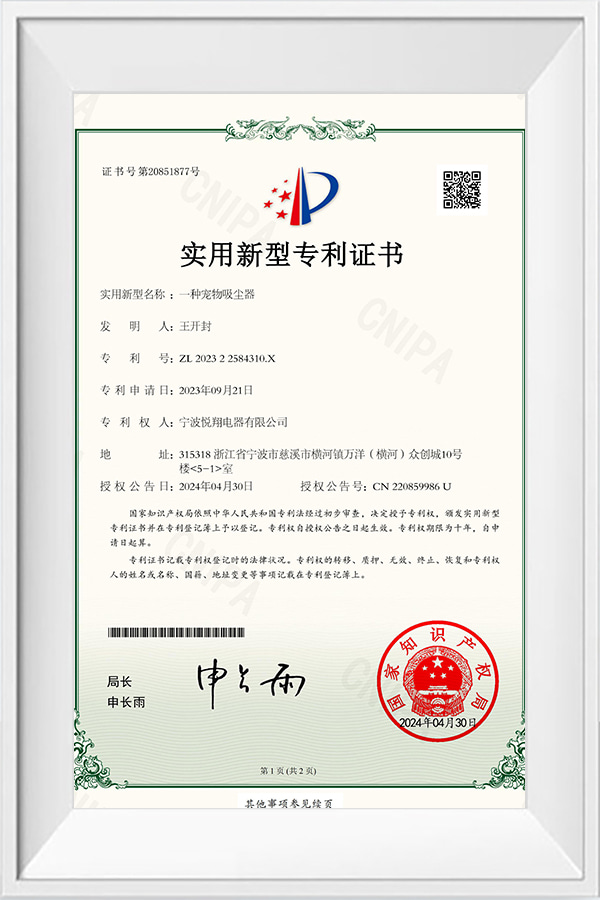
Ningbo Yuexiang Electric Appliance Co., Ltd.
Founded in 2008, Ningbo Yuexiang Electric Appliance Co., Ltd. is specializing in home cleaning appliances for both oversea and home markets. Our company is located in Wanyang (Henghe) Entrepreneurial City, Henghe Town, Cixi City, Ningbo, China. We have our own mould making shop supported by experienced technical engineers, injection machines, products assembly lines.
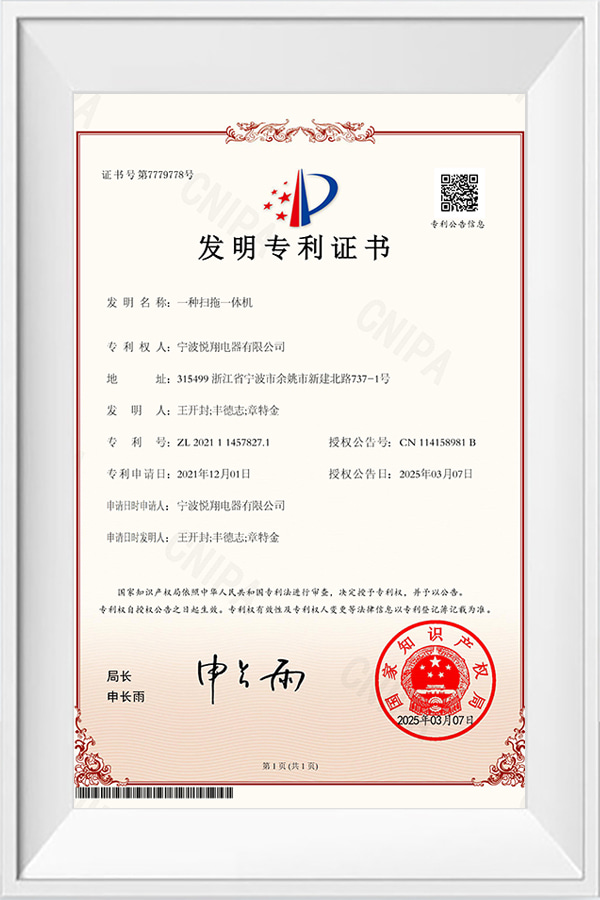
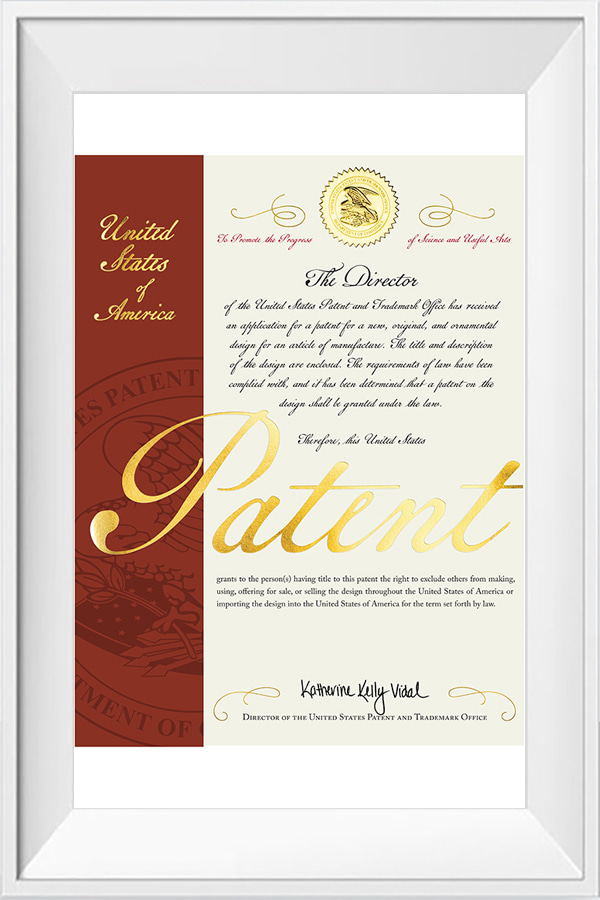
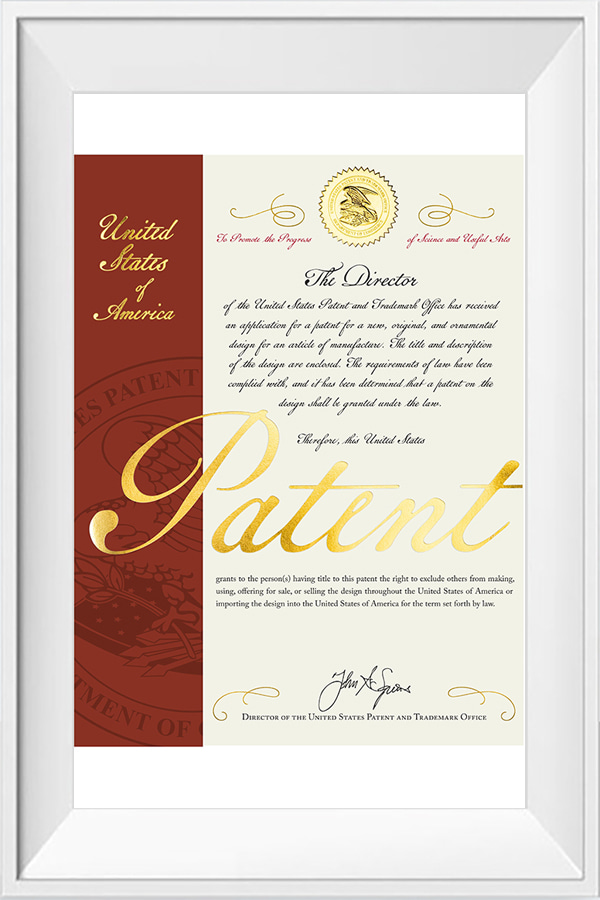
Ningbo Yuexiang Electric Appliance Co., Ltd. is a China Steam Mop Manufacturerand Custom Handheld Steam Mop Supplier, we are mainly manufacturing Steam Mop, Steam Cleaner, Steam and Sweeper, Pet Electrical Appliances, Neck Massager, etc. With the mission to deliver high quality products, good services with competitive prices, we have a wide range of customers all over the world, Products are exported to Europe, the United States and Southeast Asia, more than 30 countries and regions. High praise from our customers are received. Our products have passed concerned safety certification as GS, CE, Rohs, FCC, UL, PSE, SAA etc.
Owing to high-quality products and superb services, we have been well accepted by our business partners. We are looking forward to having you as our enhanced customers and will appreciate your inquires. Your OEM and ODM are welcome always.
-
-
China Multifunctional Steam Mop Factory: A Buyer's Guide to Steam, Floor and Pet Cleaning Products Picture a distributor who needs one mixed container: a multifunctional steam mop, a steam mop and sweeper combo, a portable steam cleaner, a...
READ MORE -
China Steam Mop and Steam Cleaner Supplier: What Buyers Should Decide First Imagine a retailer building a home care catalogue who asks three factories for samples of a steam mop, a handheld steam cleaner and a neck massager. Three replies ...
READ MORE -
China Home Cleaning Appliances Manufacturer: What to Settle Before You Send an Inquiry Picture an importer who approves a steam mop sample in spring, books a container for summer, and then discovers that the cable on the production run is ...
READ MORE
1. Steam Mops in Modern Floor Care
A steam mop heats water in an onboard tank, sends the vapor through a mop head and wipes the floor with a washable pad. The combination of heat, moisture and light friction loosens dried spills, kitchen grease and everyday dust on sealed hard floors without a separate cleaning solution. A China steam mop and steam cleaner supplier normally builds its range around two families: floor focused steam mops for large surfaces, and multi purpose steam cleaners for detail work on grout, fixtures and upholstery.
Interest in this category follows the spread of hard flooring in apartments and family homes, along with the habit of reducing chemical use in daily cleaning. Retailers, e-commerce sellers and brand owners therefore look for a reliable China steam mop manufacturer that controls tooling, injection molding and assembly under one roof. Such control keeps part dimensions, pad sizes and accessory fits consistent across production batches, which matters when replacement pads and tools are sold as separate items.
The sections below cover the internal structure of a steam mop, common product configurations including the detachable handheld type, floor compatibility, warm-up behavior, customization scope, factory control steps, maintenance checks and common questions from importers.
2. From Water to Cleaning Action: The Steam Path
(1) Two Common Heating Methods
Most household steam mops use one of two heating methods. A flash heating design draws water from the tank in small amounts and turns it into vapor as it passes through a hot chamber, so the unit is ready soon after power on. A boiler design stores a small volume of water in a sealed chamber and heats it as a whole, which can support steadier output during longer sessions but needs more warm-up time. The choice affects weight, body shape and the way the product is described on the retail page.
(2) The Five Stage Steam Path
The diagram follows the vapor from the tank to the floor in five stages. The tank stores water and feeds the heating chamber through a valve or a small pump. The heating chamber raises the water temperature until vapor forms, and a thermal control keeps the temperature within a set range. The steam channel guides the vapor to the mop head, where openings spread it across the pad width. The microfiber pad holds moisture against the floor and picks up the soil that the vapor has loosened. Each stage can be adjusted during development, for example by changing channel length, nozzle count or pad thickness, and these choices shape the final cleaning behavior of the product.
3. Product Configurations and Their Characteristics
Steam mops are sold in several body formats. The table lists the configurations that appear most often in distributor catalogs and online storefronts.
| Configuration | Typical User | Main Features |
|---|---|---|
| Upright Steam Mop | Households with large hard floor areas | Removable tank, swivel head, adjustable steam level |
| Detachable Handheld Steam Mop | Mixed floor and surface cleaning | Handheld unit lifts out of the body, accessory nozzles and brushes |
| Compact Steam Mop | Small apartments and storage limited homes | Lighter body, foldable handle, shorter heat up time |
| Steam and Sweeper Unit | Homes with pets or frequent dry debris | Rolling brush, dust bin and steam module in one head |
| Multi Purpose Steam Cleaner | Whole home and detail cleaning | Larger boiler, long hose, floor head and tool set |
(1) The Detachable Handheld Format
The detachable handheld steam mop pairs a floor body with a handheld steam unit that lifts out of the frame. The floor head handles open areas, while the handheld unit with a nozzle or brush reaches stair edges, tile joints, sink surroundings and window tracks. This format answers a common request from online sellers who want one listing to cover both floor and detail tasks. Brand owners who search for China handheld steam mop custom projects often focus on the docking structure, the hose or direct nozzle design and the accessory tray, since these parts shape the user experience and the carton layout.
4. Floor Compatibility and Steam Level Selection
Floor type decides which steam level fits a given job. Adjustable steam control lets the user move from a gentle setting for sensitive finishes to a stronger setting for tile and stone. The grid below gives a reference guide for common floor types.
The grid shows that ceramic tile accepts every steam level, which is why tile floors are the usual starting point for steam mop demonstrations. Sealed stone works well at low and medium levels and needs shorter passes at the high level. Sealed hardwood, laminate and vinyl plank respond best to the low level, because seams and surface layers can react to heat and moisture when the pad stays in one place for too long. The guide is a general reference, and the floor manufacturer instructions remain the final source for each installation. Products with two or three clear steam levels, a visible level indicator and a pad that fits the head tightly give users a simple way to follow this kind of guidance.
(1) Usage Tips for End Users
- Sweep or vacuum loose debris before steaming.
- Keep the head moving on wood, laminate and vinyl surfaces.
- Test a small hidden area when the floor type is unknown.
- Change to a clean pad when the first pad becomes saturated.
5. Warm-up Behavior and Selection Points
Warm-up time is one of the first items a buyer reads on a specification sheet. The two heating methods described earlier produce different curves after power on, and the chart below illustrates the general pattern.
The shaded curve represents a flash heating design, and it rises quickly in the first thirty seconds before leveling off. The dashed line represents a boiler design, which starts more slowly because the whole water volume has to heat up. After about a minute the boiler type approaches steady output, and it can hold that output through a longer session. The values are illustrative and do not describe a specific model, since heater power, tank size and control settings change the shape of each curve. A buyer who sells to users with short daily routines may lean toward flash heating, while a buyer who targets larger homes may accept a longer warm-up in return for steadier output. Each model in a catalog should carry its own measured warm-up record so that product pages describe it accurately.
(1) Specification Items to Compare
- Tank capacity: sets how long one fill lasts.
- Heater power: influences warm-up time and steam strength.
- Cord length: affects reach in open rooms.
- Pad size and material: affects wiping coverage and washing life.
- Body weight and handle design: affects comfort during long sessions.
6. Customization Scope for Brand Owners
A China steam mop custom project can range from a simple private label program to a new product with its own housing. Light projects change the logo, color scheme, carton and manual on an existing model. Deeper projects adjust tank volume, heater output or accessory sets, and the deepest projects open new molds for a new body, which includes the detachable handheld module. The chart ranks common customization items by the amount of engineering work they usually involve.
Items near the left of the chart, such as logo, color and carton design, need little engineering and move through the schedule quickly. Accessory sets and plug versions sit in the middle, because they involve new parts lists and market specific electrical components. Tank and power tuning requires heating tests and safety checks, so it takes more time than packaging work. A new housing structure and a detachable handheld module sit at the right end, since they call for new molds, fit trials and repeated sample review. Buyers can use this ranking to decide whether a private label model on an existing platform or a new design fits their launch plan. Clear communication on this point at the start of a project reduces schedule changes later.
(1) Typical Project Flow
- Share the target market, product type, tank size and accessory list.
- Review the exterior concept and 3D structure drawings.
- Confirm tooling and begin mould making.
- Approve the first sample after function and durability tests.
- Confirm packaging, then schedule production and shipment.
7. Factory Control Path from Parts to Loading
A China steam mop manufacturer with its own tooling and assembly lines can place checks at every stage of production. The timeline below shows a common sequence for a steam mop order.
The first step checks incoming parts such as heaters, pumps and plugs before they reach the line. The second step reviews molded housings for fit and surface finish, which is possible when the injection machines and the mould shop work in the same facility. The third step covers assembly, where wiring and fastening are inspected at the station. The fourth step runs a function test that confirms heating and steam flow on each unit. The fifth step checks that accessories, pads and manuals match the packing list, and the sixth step records carton counts and shipping marks before loading. Presenting this path in a quotation package helps overseas buyers understand how a factory controls consistency from one batch to the next.
8. Maintenance and Basic Troubleshooting
Simple habits extend the service life of a steam mop. Emptying the tank after use, washing pads and drying the head all reduce residue and odor. The table lists common symptoms and the first checks that users can perform.
| Symptom | Likely Cause | First Check |
|---|---|---|
| Weak steam output | Scale in the chamber or nozzle | Follow the descaling steps in the manual |
| Water drips from the head | Pad saturated or head held in one place | Replace the pad and keep the head moving |
| No steam after power on | Empty tank or loose tank seat | Refill the tank and reseat it firmly |
| Streaks on the floor | Dirty pad or mineral residue | Wash the pad and use filtered water |
(1) After Sales Support Materials
Distributors reduce service requests when each carton includes a clear quick start sheet and a short maintenance card. Spare pads, filters and tank caps can also be packed as separate items so that end users replace worn parts without buying a new unit.
9. Sourcing Steam Mops from Ningbo Yuexiang
Ningbo Yuexiang Electric Appliance Co., Ltd. has focused on home cleaning appliances since 2008 and serves both overseas and domestic markets. The company is based in Wanyang (Henghe) Entrepreneurial City, Henghe Town, Cixi City, Ningbo, and its product line covers steam mops, steam cleaners, steam and sweeper units, pet electrical appliances and neck massagers.
As a China steam mop supplier with its own mould making shop, technical engineers, injection machines and assembly lines, the company can handle tooling, molding and final assembly in one workflow. Customers in Europe, the United States and Southeast Asia, across more than 30 countries and regions, receive products adapted to local plug types and packaging habits. Importers and brand owners who need OEM or ODM support can discuss body design, handheld modules, accessory sets and carton artwork with the engineering team from the first inquiry.
10. Frequently Asked Questions
(1) What does a China steam mop and steam cleaner supplier normally provide?
A supplier of this type usually offers upright steam mops, detachable handheld models, compact units, steam and sweeper combinations and multi purpose steam cleaners, together with spare pads and accessories.
(2) What is the difference between a supplier and a manufacturer?
A manufacturer produces the goods in its own facility, while a supplier may source from several factories. Buyers who need tooling changes or close process control often prefer a manufacturer with its own mould shop and assembly lines.
(3) Can a steam mop be customized for a private brand?
Yes. A China steam mop custom project can include logo, color, carton, manual, accessory set and electrical version, and larger projects can add new housing structures.
(4) What should be prepared for a China handheld steam mop custom inquiry?
A brief with the target market, desired accessories, tank size, docking style for the handheld unit, branding needs and expected order quantity helps the engineering team prepare a suitable proposal.
(5) Which floors can be cleaned with a steam mop?
Ceramic tile and sealed stone are the most common surfaces. Sealed hardwood, laminate and vinyl need a lower steam level and a moving head, and the floor maker instructions should be followed.
(6) How often should the tank be descaled?
The interval depends on water hardness and usage. Users in hard water areas can descale more often or use filtered water, as described in the manual.
(7) Which markets does Ningbo Yuexiang supply?
The company exports to Europe, the United States and Southeast Asia, covering more than 30 countries and regions, and adapts plugs, packaging and manuals to each market.

- CONTACT INFORMATION
-
-
 +86-574-23889768
+86-15867411256
Got questions? Call us 24/7 -
 sales@nbyuexiang.com
Contact us now for a quote -
 Building 10, Wanyang (Henghe) Entrepreneurial City, Henghe Town, Cixi City, Ningbo,China(P.C.:315318)
-
- GET TOUCH
Copyright ©
Ningbo Yuexiang Electric Appliance Co., Ltd.
All Rights Reserved.
Steam Mop Manufacturer
Custom Handheld Steam Mop Supplier
