
 English
 русский


Steam Mop, Floor Washer and Steam Mop and Sweeper: Which Floor Cleaner Should You Source
Steam Mop, Floor Washer and Steam Mop and Sweeper: Which Floor Cleaner Should You Source
For most hard-floor households, a steam mop is the right starting product, a multifunctional steam mop suits users who want one machine for several jobs, and a floor washer suits homes where wet spills and sticky messes are the daily problem. A steam mop and sweeper combination sits in between, for buyers who want dry pickup and steam cleaning in one pass. If you are a retailer, brand or wholesaler choosing what to put in your range, those four lines cover most of what buyers ask for.
The choice is rarely about which product is better in general. It depends on the floors, the mess, the household and the market segment a seller serves. A small apartment with tile and laminate has different needs from a family house with pets and a kitchen that sees spills every day. A basic steam mop will do the first job very well, while the second often calls for a floor washer or a sweeper combination.
This guide is written for importers, brand owners and purchasing teams who work with a steam mop manufacturer or supplier and want to talk about product types in practical terms. It covers what each type does, how a steam mop is built, how floor washers differ, how to match products to buyers, what OEM and ODM projects look like, how to check quality, and how to care for the finished product. Figures that appear are indicative comparisons, not test results, and every specification should be confirmed on a sample.
Short answer: basic steam mop for simple hard floors, multifunctional steam mop for versatility, steam mop and sweeper for fewer passes, floor washer for wet messes.
Common Types of Steam Mop and Floor Cleaning Appliances and Their Characteristics
Home floor care has split into a few clear product families. Each one solves a slightly different problem, and the names are used consistently enough in the market that buyers can search for them by name. The cards below summarise what each family is built to do.
Basic Steam Mop
A straightforward upright with a water tank, heater and microfiber pad. Easy to explain and easy to use, which makes it a dependable volume item for entry level ranges. Multifunctional Steam Mop
Adds attachments or modes, for example a detachable handheld unit, different pad types or adjustable steam levels, so one machine covers floors and some above-floor jobs. Steam mop and Sweeper
Combines a sweeping or pickup function with steam cleaning, so loose debris and sticky residue can be handled in fewer passes. Floor Washer
Uses clean water and a rotating brush or roller, with a recovery tank for dirty water. Suited to wet messes and larger hard-floor areas.
Steam mops are valued for cleaning with hot water vapor and a reusable pad, which means no cleaning chemicals are needed for routine use. Floor washers are valued for pulling wet dirt off the floor and into a tank, which suits sticky spills. Neither is a replacement for the other, and many households own both a daily-use unit and a deeper-cleaning unit.
| Product | Main job | Suited to | Typical trade-off |
|---|---|---|---|
| Basic steam mop | Routine steam cleaning | Tile, sealed hard floors, smaller homes | Fewer accessories |
| Multifunctional steam mop | Floors plus extra tasks | Mixed surfaces, households wanting one device | More parts to explain and maintain |
| Steam mop and sweeper | Dry pickup plus steam | Homes with crumbs, hair and light soil | More complex head design |
| Floor washer | Wet pickup and scrubbing | Kitchens, sticky spills, larger areas | Tanks and brushes need regular cleaning |
Four product families cover most floor-care demand, and each one answers a different cleaning problem.
How a Steam Mop Works: Structure and Working Principle
A steam mop has four working parts: a water tank, a heating element, a delivery path that carries steam to the floor, and a pad that wipes the surface. Water moves from the tank into the heater, turns into vapor and is directed through the steam outlet in the floor head. The pad moistens, loosens dirt on contact and collects it into its fibers, and the user then washes the pad for reuse.
The schematic below shows the main parts in a simplified isometric view. Real products add a cord, a steam control, safety features and different head shapes, but the same four building blocks sit behind most designs.
Simplified isometric view of a steam mop: handle, water tank, floor head and microfiber pad.
Why the structure matters when you source
- Tank and refill path: a wide opening and a clear fill mark reduce spills during daily use.
- Heating response: how quickly steam is ready influences how the product feels in the first minute of use.
- Head and pad design: pad size, attachment method and head swivel shape how easily corners and edges are reached.
- Cord and handle: cord length, storage hooks and handle fit affect real-world comfort more than many spec sheets suggest.
These are the details that appear in reviews and returns, so they deserve as much attention as headline features when a buyer compares samples from different factories.
Tank, heater, steam path and pad are the four parts to evaluate first, because they drive daily experience.
Floor Washer vs Steam Mop and Sweeper: Working Principles Compared
A floor washer and a steam mop both clean hard floors, but they work in different ways. A floor washer applies clean water to the floor, scrubs with a rotating brush or roller and draws dirty water back into a separate tank. A steam mop uses hot vapor and a pad, which is lighter and quicker to set up but does not recover liquid from the floor.
Floor Washer
The floor washer is the more capable choice for wet, sticky or heavily soiled floors, because the brush works the surface and the tank takes the dirty water away. It generally needs more care between uses: tanks, filters and brush rollers should be rinsed and dried so they do not hold odor.
Steam Mop and Sweeper
A steam mop and sweeper combination adds a dry pickup function to a steam head. Crumbs, hair and dust are collected first, then steam and the pad deal with residue. For households with pets or small children, this reduces the number of tools and passes. The trade-off is a more complex head, so assembly quality and clearance between moving parts are worth checking on samples.
When each one makes sense
- Choose a steam mop when the floor is mostly dry-soiled with light residue and the user wants a quick, low-effort routine.
- Choose a steam mop and sweeper when there is regular dry debris plus light sticky marks.
- Choose a floor washer when wet spills, sauces and tracked-in dirt are common.
- Choose a multifunctional steam mop when one product needs to cover several jobs and the buyer values flexibility.
Steam mops are the simple routine option, while floor washers are the wet-mess specialists.
Matching Steam Mop and Floor Washer Models to Different Households and Floors
Buyers rarely say that they want a steam mop with a particular tank size. They describe a home: a tiled flat, a family kitchen, a rental with laminate, a house with a dog. Translating that description into a product type is where a good supplier adds value, and it is also where a retailer can write clearer product pages. The scenarios below show how the main product families map to common households.
Small flat with tile or sealed hard floors
A basic steam mop is usually enough. The floor area is small, the soil is mostly dust and light footprints, and storage space is limited. Light weight, a quick warm-up and a pad that is easy to remove and wash matter more than a long list of accessories. This is the household that responds best to a simple, clearly positioned entry product and a short manual.
Family home with children
Spills, crumbs and sticky marks are the main issue. A steam mop and sweeper reduces the number of passes by picking up dry debris first, while a floor washer handles the wet spills that appear after meals. Many families end up using a steam mop for routine upkeep and a floor washer for the weekly deeper clean. A seller who can offer both under one brand makes it easy for these buyers to complete the set.
Home with pets
Hair, tracked-in dirt and occasional accidents define the cleaning routine. Sweeping capability and washable pads are particularly valuable, and a multifunctional steam mop with a detachable handheld unit can help with other areas of the home. Pad design and filter access deserve extra attention, since hair collects quickly and affects ease of maintenance.
Rental and hospitality use
Here the key requirements are durability, simple controls and easily available spare parts. A robust basic steam mop with clearly marked fill and steam controls tends to suit staff who use it infrequently and need it to work the same way each time. Replacement pads and cords should be easy to source.
Gift and promotional sets
A multifunctional steam mop with a clear accessory set works well in gift programs because the contents are easy to understand on the box. Packaging quality and a clean unboxing experience carry more weight here than in standard retail, and this is an area where OEM branding is particularly valuable.
Describe the household first, and the product family usually becomes obvious.
Applications and Selection Points for Steam Mop Buyers
Selection works best when it starts with the user, then the floor, then the product. The two columns below separate common scenarios from the checks to run before a product is added to a range.
Application scenarios
|
Selection checks
|
To show how the main product types sit in relation to each other, the chart below places five of them on two simple axes: how many features they offer and how easy they are to use day to day. The positions are indicative and meant to support conversation, not to rank products.
Indicative positioning of five floor-care product types by feature breadth and ease of daily use.
The basic steam mop sits at the high-ease, low-feature corner, which is why it works as a reliable entry model for a range. The multifunctional steam mop moves to the right, adding versatility at the cost of a few more steps to learn. The steam mop and sweeper lands in the middle, trading a little simplicity for fewer passes over the floor. Floor washers sit lower on ease because tanks, rollers and filters need routine cleaning, but they earn their place where wet messes are common. A balanced range often includes one product from each region of the chart so that each type of buyer has a clear option.
A good range places one product in each zone of the chart, so every type of buyer has an obvious choice.
Detailed Comparison of Steam Mop, Multifunctional Steam Mop, Steam Mop and Sweeper and Floor Washer
The table below sets the four main product families side by side using plain language, so that merchandisers and buyers can use it in a product planning meeting without a technical glossary.
| Aspect | Basic steam mop | Multifunctional steam mop | Steam mop and sweeper | Floor washer |
|---|---|---|---|---|
| Cleaning method | Steam and pad | Steam, pad and attachments | Dry pickup plus steam | Water, brush and recovery tank |
| Setup | Fill tank, attach pad | Fill tank, choose mode or accessory | Fill tank, check sweeping module | Fill clean tank, check brush and recovery tank |
| Suited to | Routine upkeep | Mixed households | Crumbs, hair and light residue | Wet and sticky messes |
| Care after use | Wash pad, empty tank | Wash pads, check accessories | Empty bin, wash pad | Rinse tanks, filter and roller |
| Learning curve | Low | Medium | Medium | Medium to higher |
| Main range role | Entry or volume line | Feature line | Convenience line | Deep-clean line |
When a buyer plans an OEM or ODM line, the next question is how much of the product can be customised. The chart below shows typical room for customization across seven areas of a home cleaning appliance. It is an indicative guide based on how projects commonly run, and actual flexibility depends on the factory, the tooling and the volume.
Indicative room for customization across seven areas of a home cleaning appliance project.
Packaging, color and logo work sit at the top because they can usually be changed without touching tooling, which makes them the quickest way to give a product a distinct identity. Accessory sets come next, since a brand can choose which pads, nozzles or extras to include. Pad and tank details are more limited, and housing structure and electronics are the least flexible because they usually require new tooling or fresh testing. For a steam mop manufacturer, this layering is useful: a project can start with a proven platform and apply brand-level changes, then move toward deeper changes if volume justifies it. Brands that understand this ladder usually plan faster and avoid surprises at the tooling stage.
Start with the changes that sit on top of a proven platform, then go deeper only when volume supports it.
OEM and ODM Steam Mop Projects: How Buyers Work With a Factory
Ningbo Yuexiang Electric Appliance Co., Ltd. is a China home cleaning appliances manufacturer and electric cleaning appliances factory, founded in 2008. With its own factory and strict quality control, the company provides globally certified products including steam mops, cleaners and floor washers. It supports flexible OEM and ODM services and serves customers worldwide with reliable solutions.
For a buyer, factory ownership matters because it shortens the distance between a design decision and a physical sample. Tooling, assembly and testing happen under one management, so questions about a head shape or a tank fit can be answered with a real part rather than a drawing. It also makes it easier to keep consistency when a product is reordered months later.
A practical project outline
- Define the target user, floor types, market and positioning of the product.
- Select a proven platform or share a reference design for the factory to review.
- Agree on branding items such as logo, color, packaging, manual and accessory set.
- Review engineering samples, then adjust details such as pad fit, cord length and steam control.
- Approve pre-production samples and record them as the reference for bulk quality.
- Run mass production with in-line checks and a final inspection before shipping.
The sequence is short, but the quality of each step depends on how clearly the brief was written. A brief that names the user, the floors, the expected noise and weight, and the accessories, gives the factory something concrete to build and test.
The chart below illustrates where buyer attention is typically needed as a project moves from concept to after-sales. It is indicative and meant to help teams plan their time.
Indicative buyer attention across the stages of a home cleaning appliance project.
Attention builds quickly during sampling, because this is where design intent becomes a physical product and most details are decided. It stays high through the pilot run, where small issues such as pad fit, cord handling or packaging fit tend to show up. It then eases once mass production runs on an approved reference, before rising a little again in after-sales, when real-use feedback arrives. A buyer who invests time early, particularly during sampling and the pilot run, is less likely to face surprises later. For a factory with its own production line, this early collaboration is also the point where a design can be adjusted most easily.
The most valuable buyer time is spent during sampling and pilot runs, before bulk production begins.
Quality Checkpoints for Steam Mop and Floor Washer Orders
Most quality disputes in home cleaning appliances come from a small set of recurring issues. The list below is a practical set of checkpoints that buyers can add to a sample approval and an inspection plan.
| Area | What to check | Why it matters |
|---|---|---|
| Water tank | Fit, seal and fill path | Prevents leaks during use and storage |
| Heating and steam output | Warm-up behaviour and steady output | Drives user satisfaction in the first minute |
| Pad and head | Pad attachment, swivel and edge reach | Affects cleaning coverage and ease of use |
| Cord and plug | Length, strain relief and storage | Most common source of everyday complaints |
| Brush and recovery tank | Roller seating, tank seal, filter fit | Important for floor washer performance |
| Packaging and manual | Drop protection, clear instructions | Reduces transit damage and support questions |
- Agree on a reference sample: keep one approved unit as the baseline for bulk checks.
- Run a functional test on randomly selected units: confirm steam, heating and switch operation.
- Check labeling and manuals: make sure they match the product and the target market.
- Inspect packaging fit: confirm that accessories sit in place and cannot rattle or scratch the housing.
A short, written inspection checklist agreed before production saves time on both sides. It also gives the factory a clear target, which tends to produce more consistent output across batches.
A written checklist and a reference sample keep bulk orders consistent with the approved product.
Common Mistakes When Sourcing Steam Mops and Floor Washers
Most problems in home cleaning appliance projects are not dramatic. They come from small assumptions that are not written down. The patterns below appear repeatedly and are easy to avoid when they are known in advance.
Treating all steam mops as interchangeable
Two products may look alike in a listing while differing in tank shape, pad size, cord length and head swivel. These details shape daily use and decide how the product is reviewed. Comparing physical samples side by side, with the same floor and the same routine, shows differences that a spec sheet does not.
Skipping the real-use test
A bench test confirms that the unit heats and produces steam, but it does not show how it feels to use for twenty minutes. A short test on a typical floor, including corners and under furniture, uncovers handling issues that otherwise appear only in customer feedback.
Overloading the accessory list
Adding more accessories can look attractive, but each extra piece adds packaging complexity, storage questions and potential for loss. A smaller set of well-chosen accessories, such as spare pads and one or two nozzles, is easier to explain and ship than a large bundle that few users fully use.
Ignoring replacement parts
Pads wear out, and cords and tanks sometimes need replacement. If replacement parts are hard to find, buyers see the product as short-lived even when the main unit is sound. Planning spare part supply alongside the main product, and making it easy to reorder, supports repeat sales.
Leaving documentation to the end
Manuals, labels and packaging text should be reviewed alongside the first samples. Late changes to text can force reprints, delay shipments and introduce mismatches between the product and its instructions. A clear care section in the manual also reduces the number of avoidable support questions.
- Compare physical samples on the same floor and with the same routine.
- Run a real-use test, not only a bench test.
- Keep the accessory set focused and easy to explain.
- Plan replacement pads and parts from the start.
- Review manuals, labels and packaging together with the first samples.
Most sourcing problems are avoided by comparing real samples, keeping the set focused and planning parts and documents early.
Maintenance Guidance for Steam Mops and Floor Washers
Good care protects performance and extends the life of the product. The advice below is general, and the instructions in the product manual should take priority for any specific model.
| Product | After each use | Regular care | Extra tip |
|---|---|---|---|
| Basic steam mop | Unplug, let it cool, empty the tank, wash the pad | Check the steam outlet for residue | Store with the pad removed |
| Multifunctional steam mop | Same as basic, plus check attachments | Clean accessory connectors | Keep spare pads and nozzles together |
| Steam mop and sweeper | Empty the debris bin, wash the pad | Clear hair from the sweeping module | Check the module for trapped debris |
| Floor washer | Empty and rinse both tanks, rinse the roller | Clean the filter and let parts dry | Dry the roller to limit odor |
- Let the unit cool before storing: hot parts can warp or be damaged in tight storage.
- Use the water recommended in the manual: in hard-water areas, filtered or distilled water often reduces scale.
- Wash pads regularly: a clean pad cleans better and avoids spreading soil.
- Keep the steam head moving: resting it in one spot lets heat concentrate on that area of the floor.
- Check floor guidance before use: sealed and unsealed surfaces react differently to heat and moisture.
For retailers and brands, including a clear care page in the manual or on the product listing reduces avoidable support questions and helps buyers get long-term value from the product.
Cool the unit, empty the tank, wash the pad and dry removable parts, and most steam mops and floor washers stay in good condition.
Direction of Home Floor Care Products for Retailers and Wholesalers
Several themes appear repeatedly in the way buyers talk about home floor care products, and they are worth watching when planning a range. They are general observations from the way the category is discussed, not statistics.
- Fewer steps for the user: products that combine functions, such as steam mop and sweeper, appeal to buyers who want a single pass.
- Chemical-free routine cleaning: steam cleaning is often chosen because it relies on water and a reusable pad.
- Easy maintenance: removable tanks, washable pads and simple cleaning routines are part of the buying decision.
- Clear accessory sets: buyers like to see what comes in the box, including spare pads and nozzles.
- Brand identity: color, packaging and manual design help a brand stand out in a crowded category.
For a wholesaler, these points translate into practical decisions: keep the range simple, make sure each product has a clear role, and include replacement parts so buyers can continue using the product after the first set of pads wears out. A supplier that can support this with consistent packaging and parts supply makes repeat orders easier to manage.
A simple range, clear product roles and available replacement parts make home floor care lines easier to sell and reorder.
Frequently Asked Questions About Steam Mops and Floor Washers
What is the difference between a steam mop and a floor washer?A Steam Mop uses hot vapor and a reusable pad to clean hard floors, while a Floor Washer applies clean water, scrubs with a brush or roller and draws dirty water into a recovery tank. Steam mops are lighter and quicker for routine cleaning. Floor washers handle wet and sticky messes more effectively. |
Who is a multifunctional steam mop suited to?A Multifunctional Steam Mop suits households that want one device for several jobs, such as floors plus extra attachments. It also works well for gift sets and promotional bundles because the accessories make the package easy to understand. Buyers should check how clear the manual and accessory storage are. |
Is a basic steam mop enough for a small range?A Basic Steam Mop is often the right starting point for a small range, because it is simple to explain and use. It fits tile and sealed hard floors in smaller homes. Many wholesalers then add a multifunctional or steam mop and sweeper model to give buyers a step up. |
What does a steam mop and sweeper combination do?A steam mop and sweeper combines dry pickup with steam cleaning. Crumbs, dust and hair are collected first, and steam and a pad deal with light residue. It reduces the number of tools and passes, which suits homes with pets and children. |
Can a manufacturer customize steam mops and floor washers for my brand?Yes, many factories support OEM and ODM work. Packaging, color, logo and accessory sets are usually the quickest to adjust, while housing structure and electronics need more lead time. A factory that owns its production line can usually review changes against real samples. |
What should I send a steam mop supplier when asking for samples or a quote?Share the target market, user type, floor types, preferred product family, expected accessories and estimated volume. A reference product or a design sketch also helps. With those details, a steam mop manufacturer can recommend a platform and propose samples more efficiently. |
When in doubt, describe the user and the floor first, then let samples guide the final choice.
Explore the Home Cleaning Appliance Range
To browse steam mops, multifunctional steam mops, steam mop and sweeper models, floor washers and other home cleaning appliances, or to request samples, visit the manufacturer website: Steam Mop Manufacturer and Supplier.
related products
-
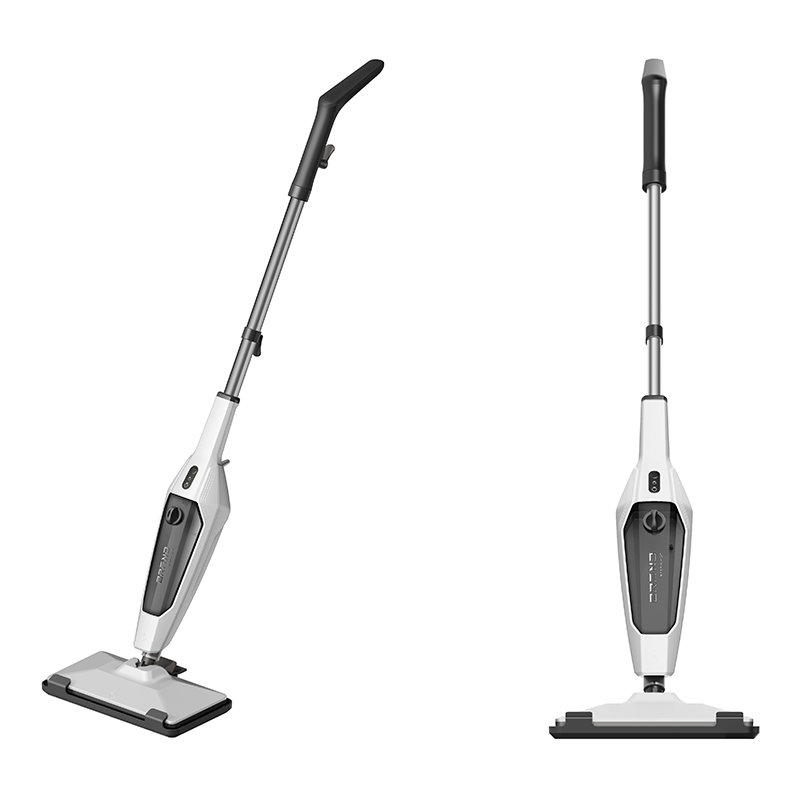 XY-611 Electric Multifunctional Steam Mop Adjustable Steam for Hardwood and Tile Floors
-
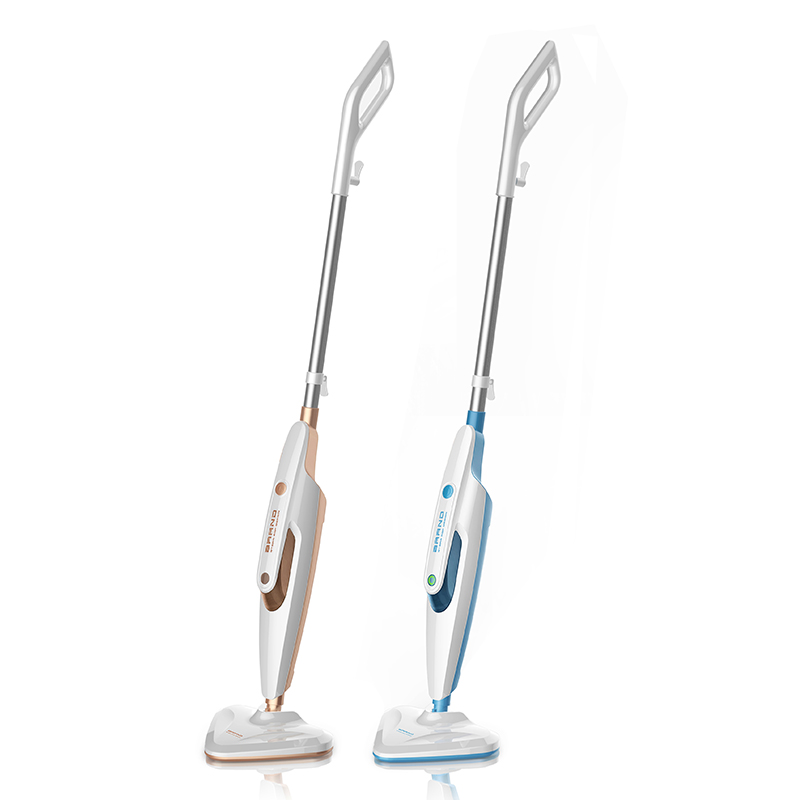 XY-318 Lightweight Steam Mop Cleaner for Residential and Commercial Cleaning
-
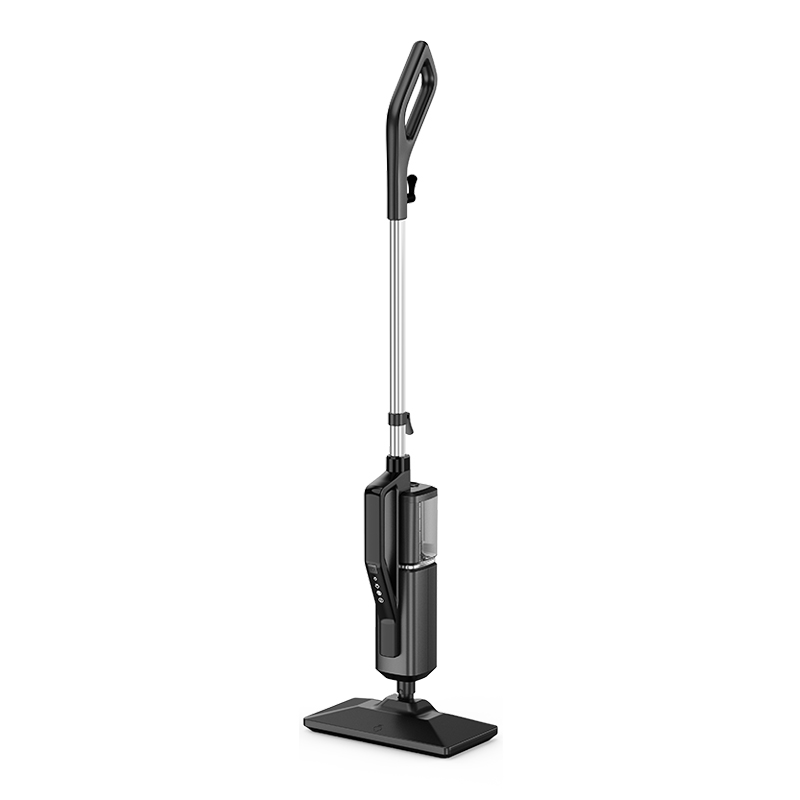 XY-617 High-Power Multifunctional Steam Mop Cleaner Portable for Home and Office Cleaning
-
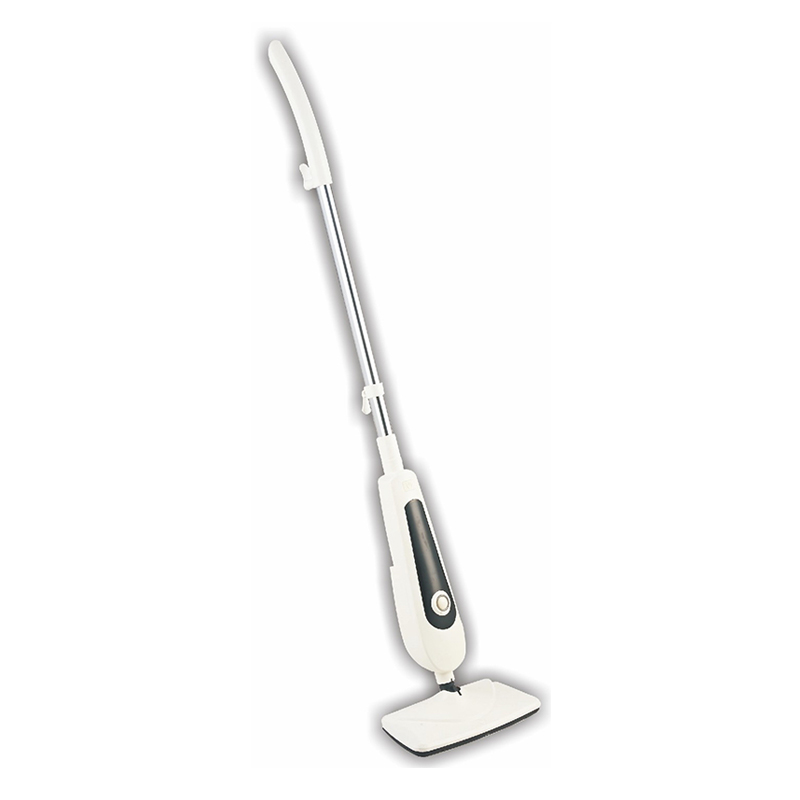 XY-306 High-Temperature Steam Mop Cleaner for Hospitals and Childcare Facilities
-
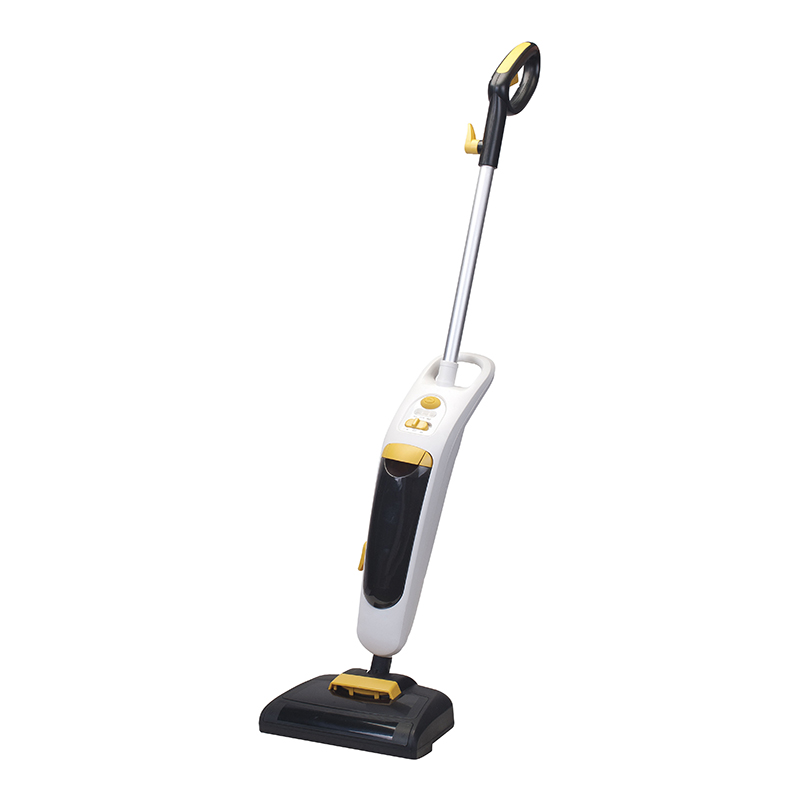 XY-201 All-in-One Multi-Surface Steam Mop and Sweeper for Whole House
-
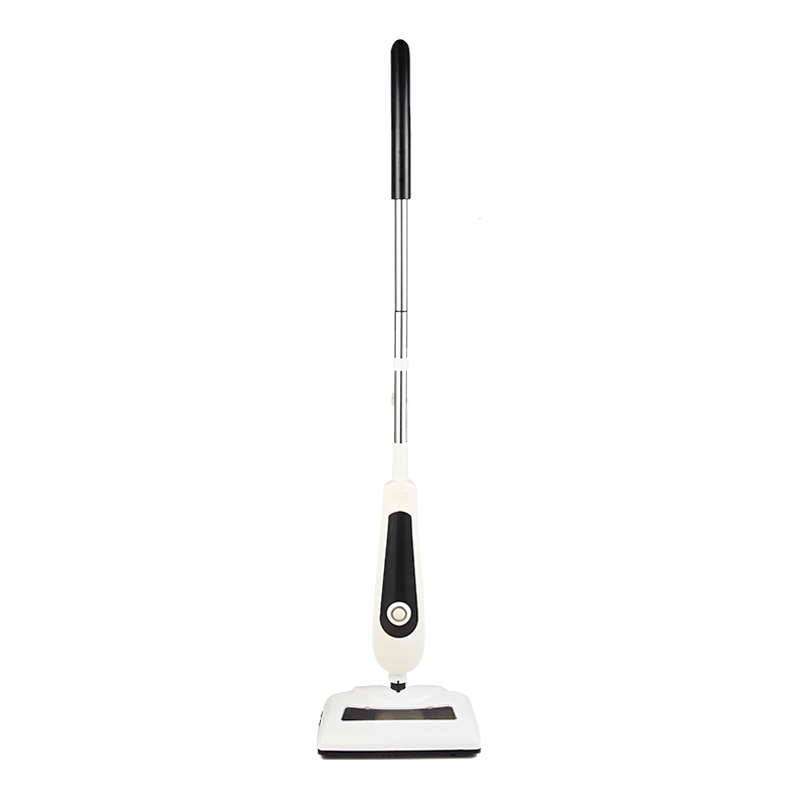 XY-202 Powerful Suction Steam Mop and Sweeper for Carpet and Hardwood

- CONTACT INFORMATION
-
-
 +86-574-23889768
+86-15867411256
Got questions? Call us 24/7 -
 sales@nbyuexiang.com
Contact us now for a quote -
 Building 10, Wanyang (Henghe) Entrepreneurial City, Henghe Town, Cixi City, Ningbo,China(P.C.:315318)
-
- GET TOUCH
