

 English
How Does a Steam Mop Work?
The core principle of a steam mop is to heat water to a high temperature to produce high-pressure steam, which is then used to clean and sanitize surfaces through its heat and force. It requires no chemical cleaning agents, achieving deep cleaning through purely physical means.
Its working process generally involves the following steps:
Filling with Water: First, fill the water tank of the steam mop with clean water. To prevent scale buildup and blockage, it is recommended to use purified water.
Heating and Vaporization: After being plugged in, the heating element (or boiler/steam generator) inside the machine rapidly heats the water. The water boils at high temperatures, producing high-temperature, high-pressure steam.
Releasing Steam: The generated steam is released through nozzles or vents at the bottom of the mop, directly onto the floor or cleaning surface. The steam temperature typically ranges from 100°C to 150°C (212°F to 302°F).
Cleaning and Sanitizing: The high-temperature steam effectively loosens and dissolves stubborn dirt and grease on the floor. More importantly, the high heat itself kills bacteria, dust mites, and other pathogens, achieving effective sanitization. The steam typically penetrates the cleaning pad, which further absorbs and removes dirt.
related products
-
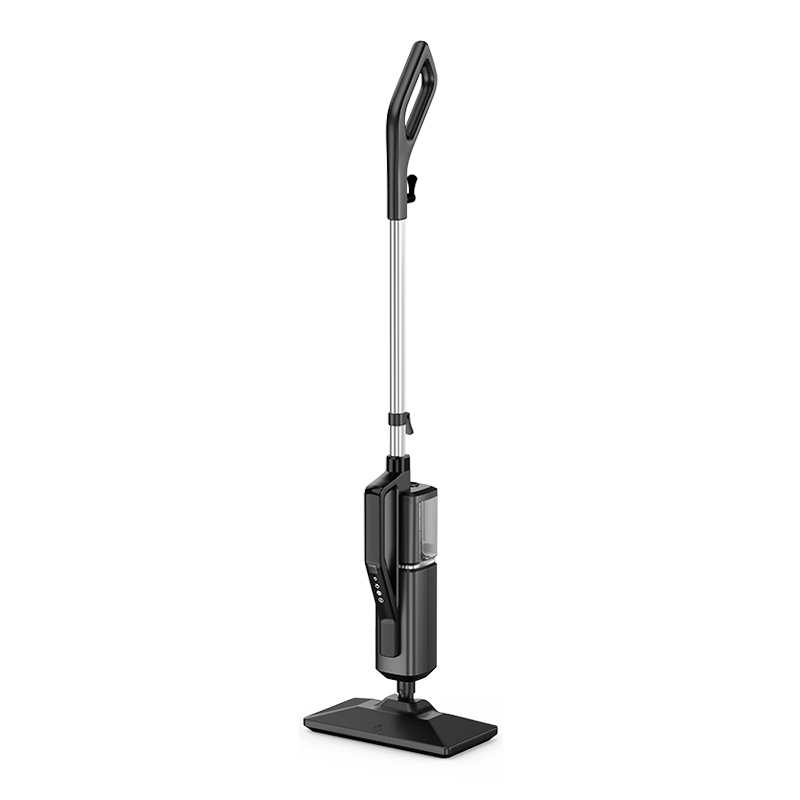 XY-617 High-Power Multifunctional Steam Mop Cleaner Portable for Home and Office Cleaning
-
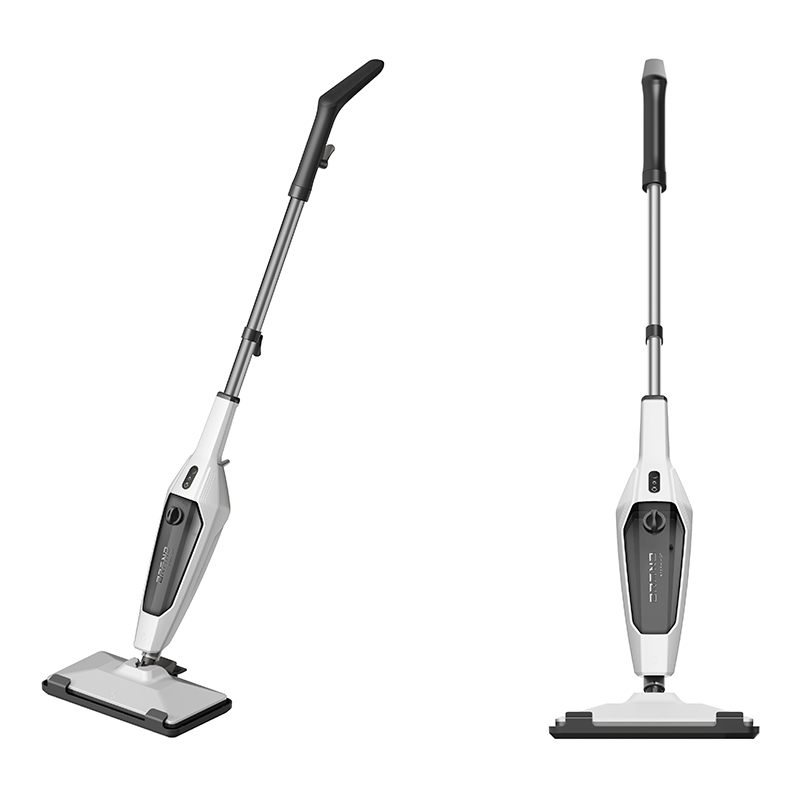 XY-611 Electric Multifunctional Steam Mop Adjustable Steam for Hardwood and Tile Floors
-
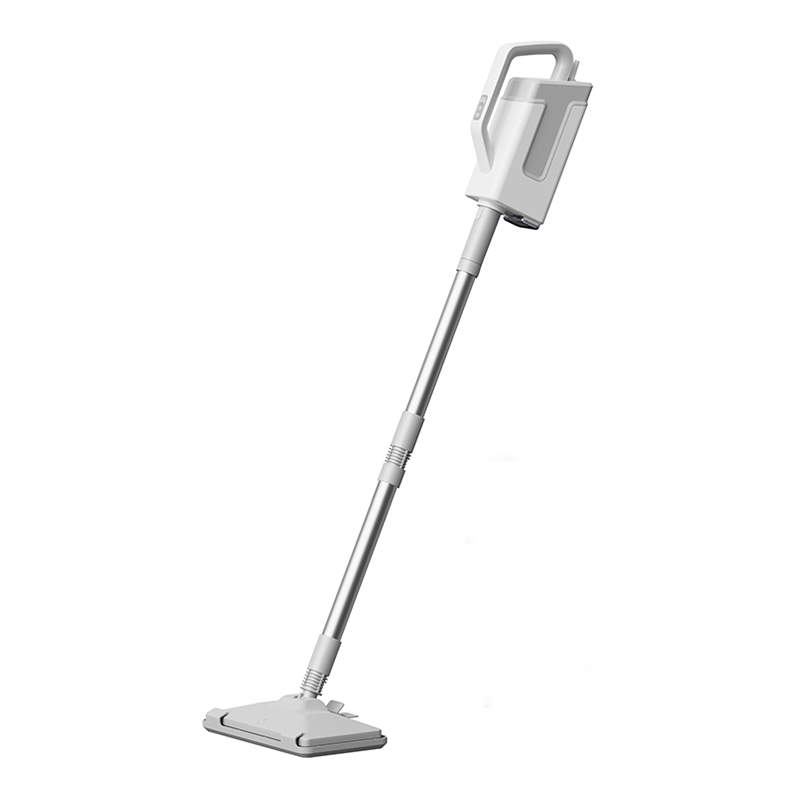 XY-612 Adjustable Handheld Multifunctional Steam Mop for Car, Home, and Commercial Use
-
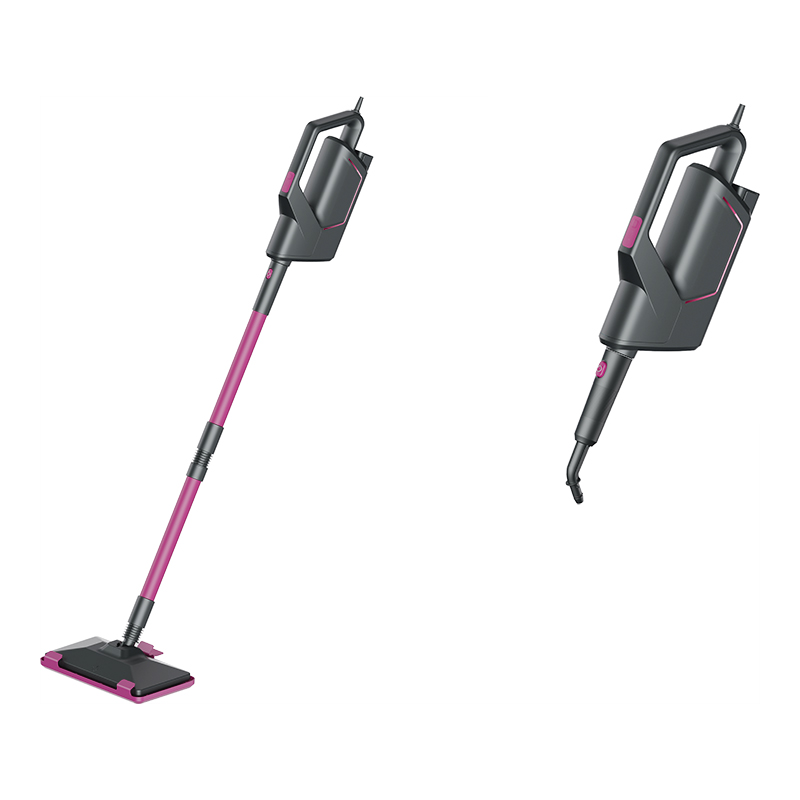 XY-614 Portable Multifunctional Steam Mop 1500W for Home and Hotel Cleaning
-
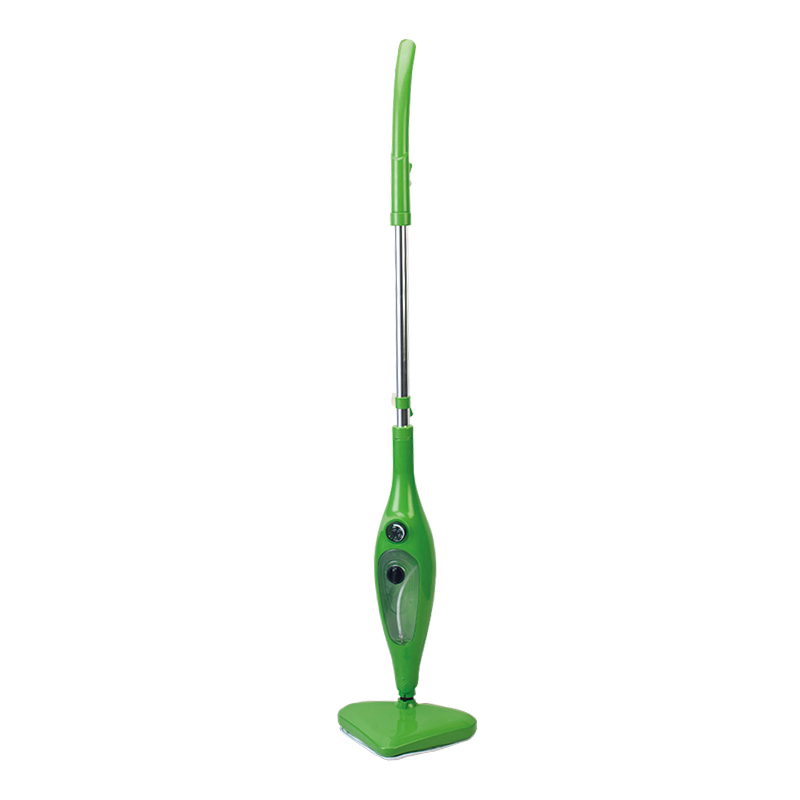 XY-301 Multi-Purpose Multifunctional Steam Mop with Interchangeable Pads for Home Use
-
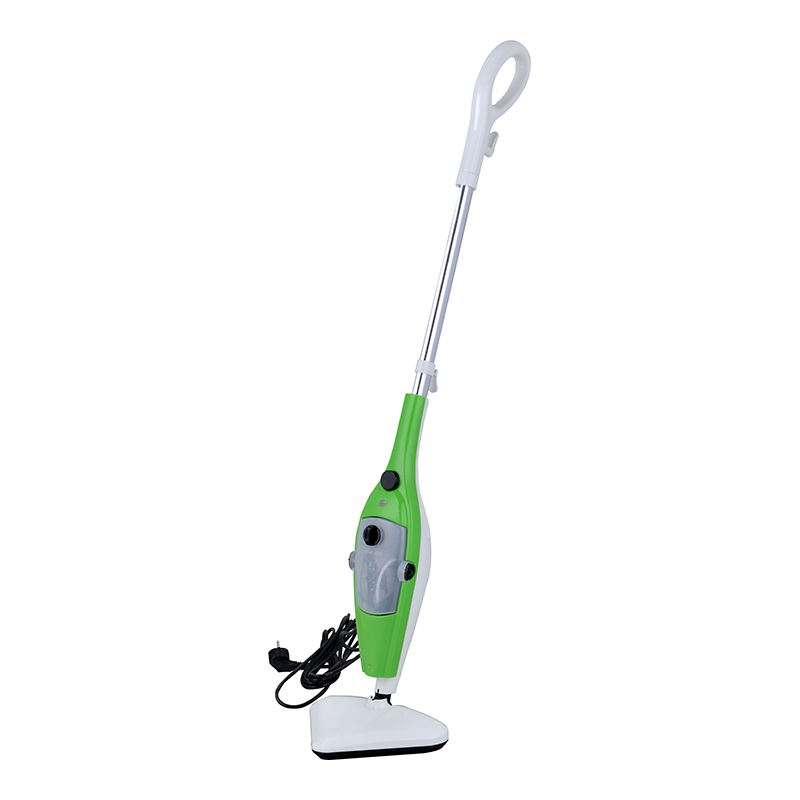 XY-305 Portable Electric Multifunctional Steam Mop with Adjustable Steam for Household Cleaning
-
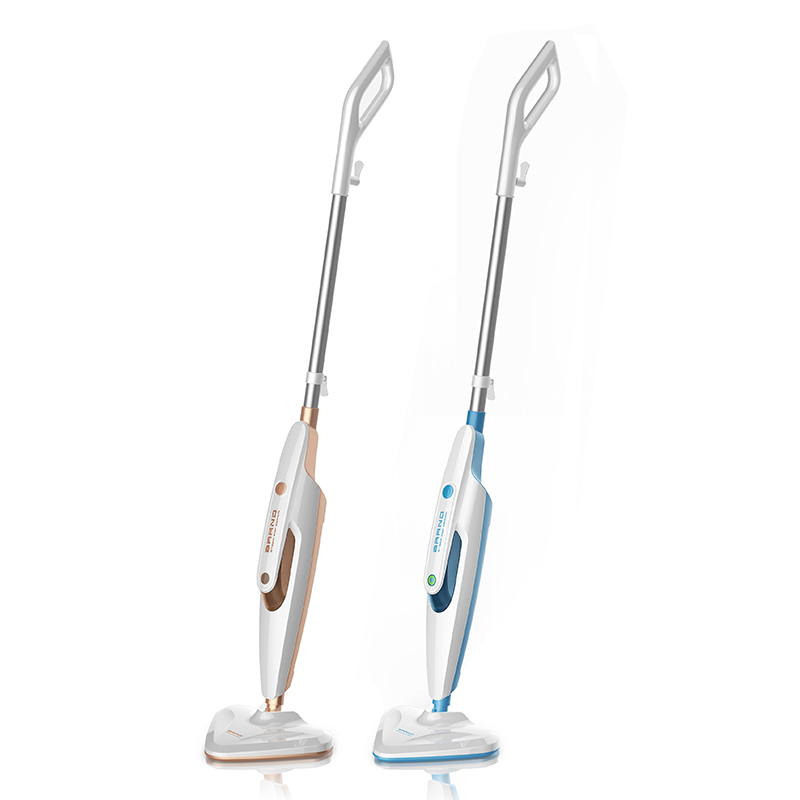 XY-318 Lightweight Steam Mop Cleaner for Residential and Commercial Cleaning
-
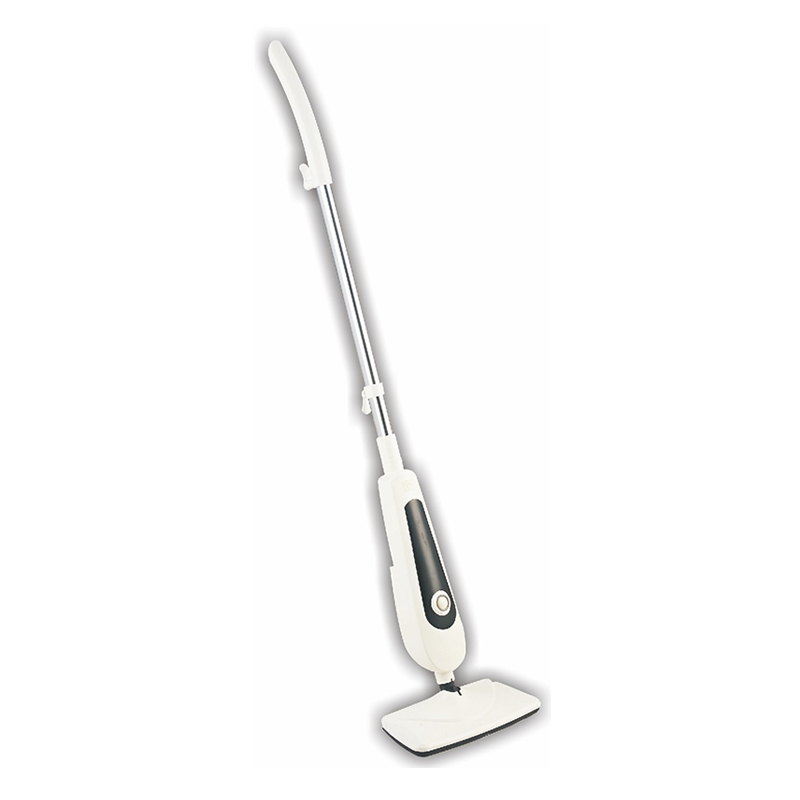 XY-306 High-Temperature Steam Mop Cleaner for Hospitals and Childcare Facilities
-
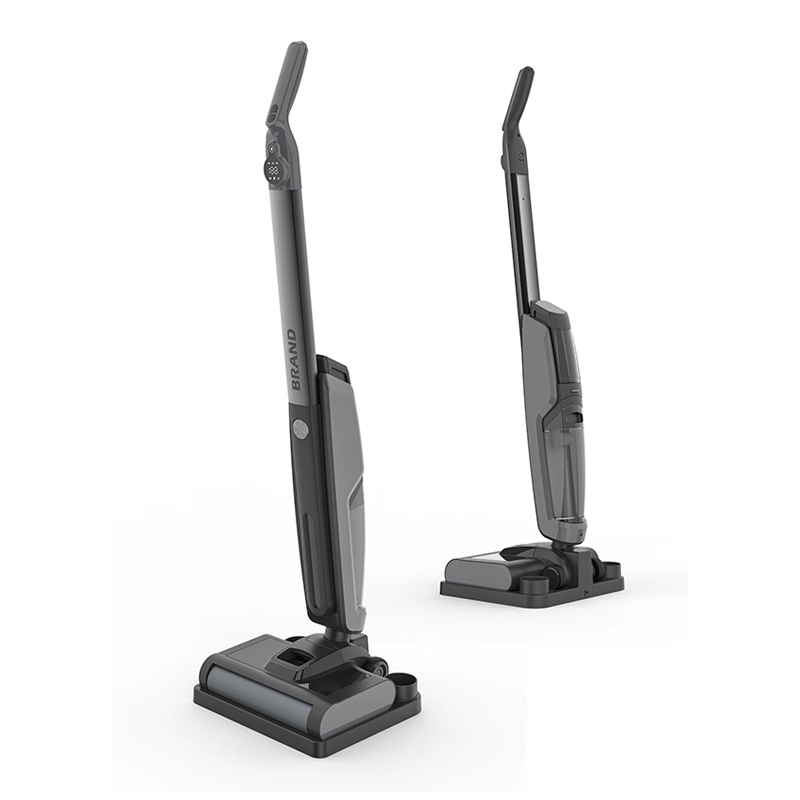 XY-900 Multi-Surface Cordless Wet Dry Self-Cleaning Floor Washer for Hard Floors
-
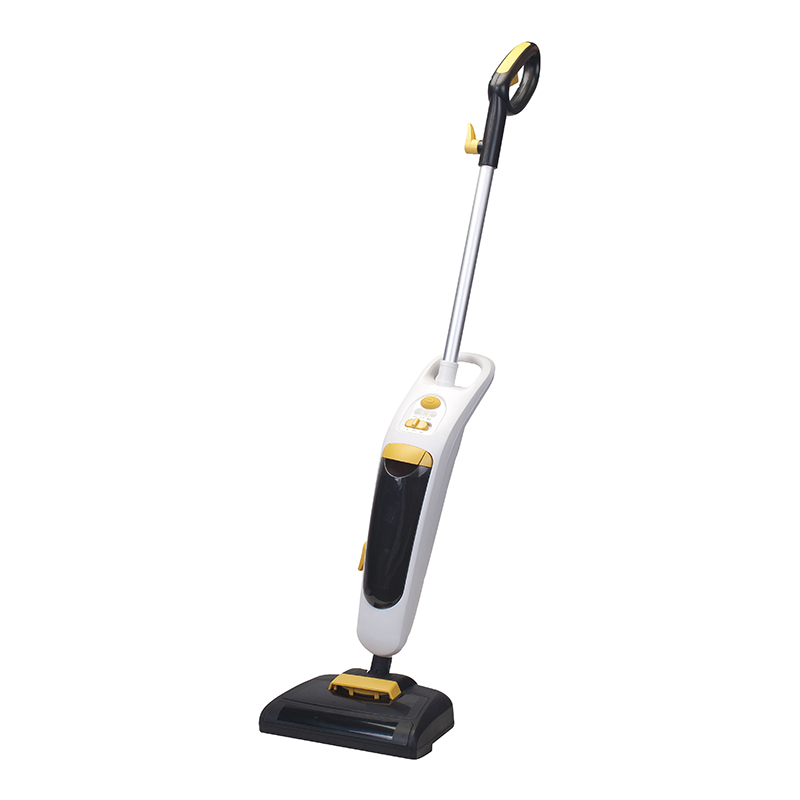 XY-201 All-in-One Multi-Surface Steam Mop and Sweeper for Whole House
-
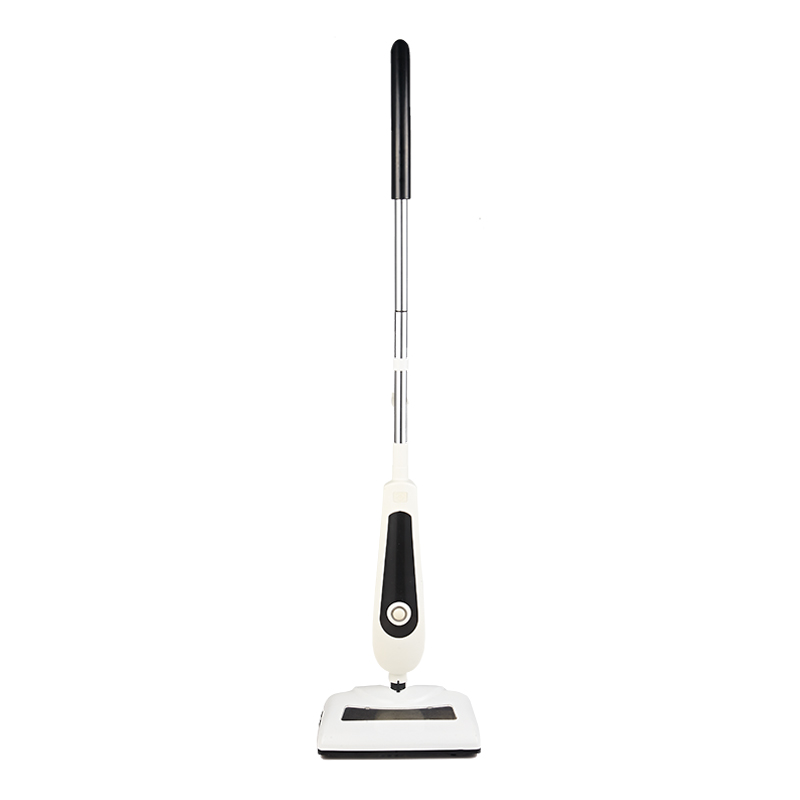 XY-202 Powerful Suction Steam Mop and Sweeper for Carpet and Hardwood
-
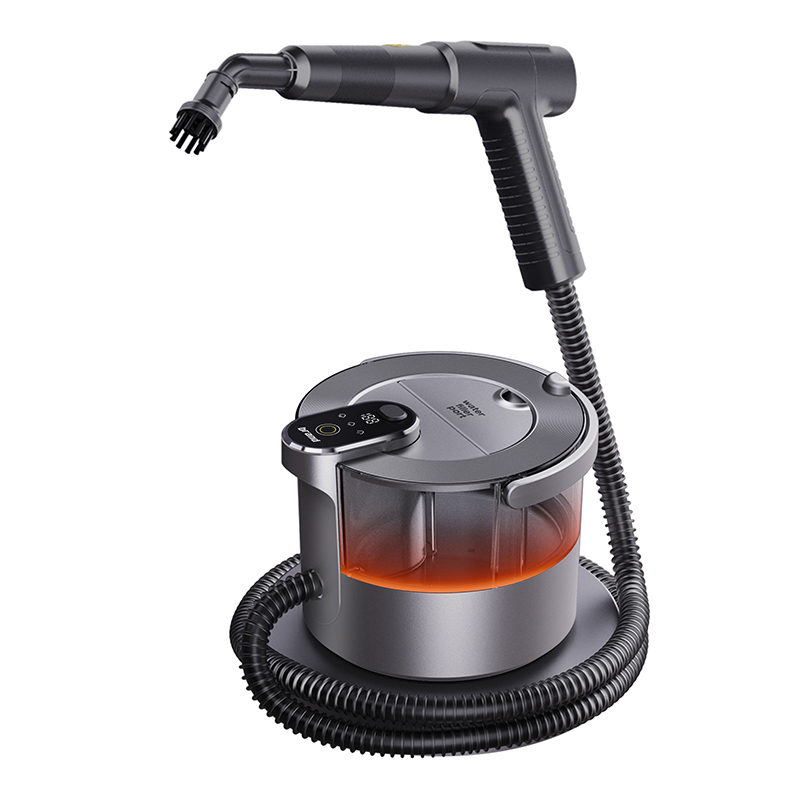 D2 Fast Heat-Up Portable Steam Cleaner for Whole House Deep Cleaning

- CONTACT INFORMATION
-
-
 +86-574-23889768
Got questions? Call us 24/7 -
 sales@nbyuexiang.com
Contact us now for a quote -
 Building 10, Wanyang (Henghe) Entrepreneurial City, Henghe Town, Cixi City, Ningbo,China(P.C.:315318)
-
- GET TOUCH
