
 English
 русский

Steam Mop, Floor Washer and Steam Mop and Sweeper: Which Floor Cleaner Should You Source For most hard-floor households, a steam mop is the right starting product, a multifunctional steam mop suits users who want one machine for several jobs, and a floor washer suits homes where wet spills and sticky messes are the da...
READ MORE
Basic Steam Mop Supplier
Introduction to Basic Steam Mop
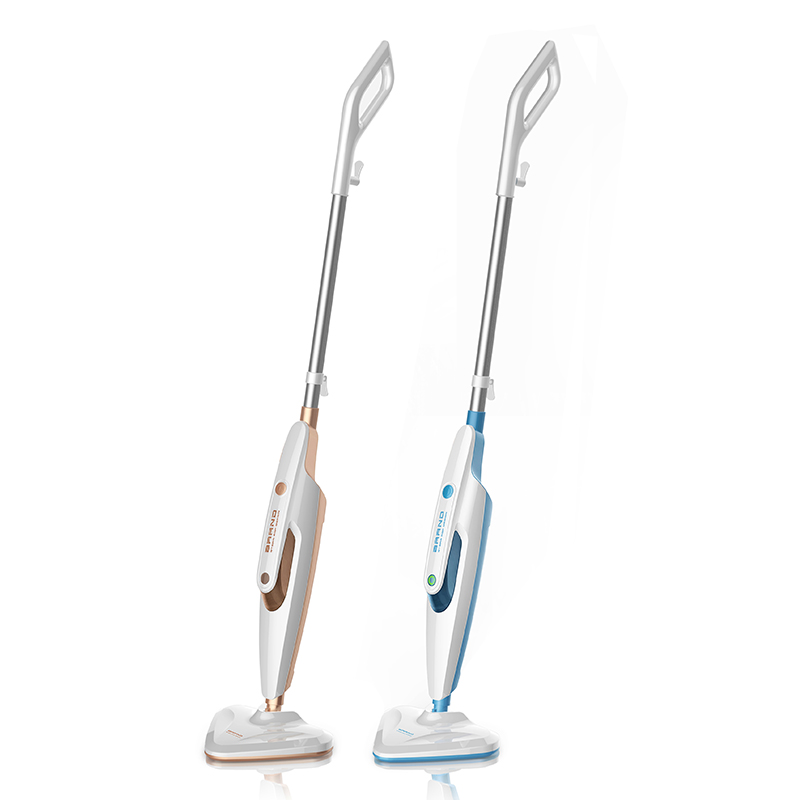
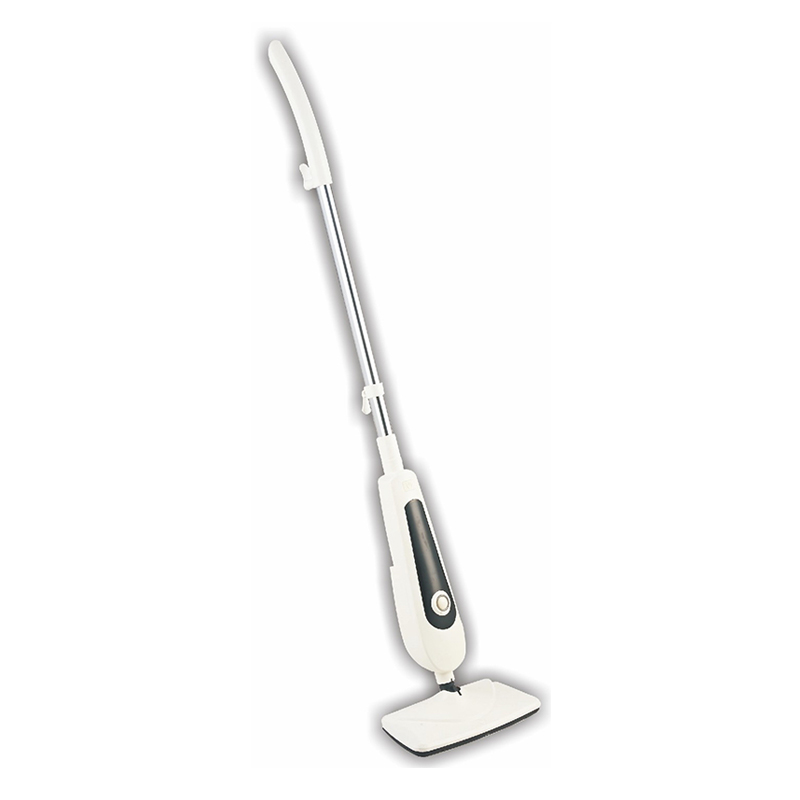
A basic steam mop is an entry-level floor cleaning appliance that harnesses the natural sanitizing power of hot steam to refresh and disinfect hard flooring surfaces. Designed for simplicity and reliability, these no-frills models focus on core steam mopping functionality, making them an accessible choice for everyday cleaning needs without the complexity of advanced features.
Basic steam mops typically feature a straightforward upright design with a built-in water tank, a swiveling mop head, and washable microfiber pads that trap dirt while distributing steam evenly across floors. Most models heat up quickly within 30 seconds to one minute, producing steam at temperatures sufficient to kill common household bacteria and break down light stains, spills, and footprints on tile, vinyl, laminate, and sealed hardwood floors. Their lightweight construction and slim profiles make them easy to maneuver around furniture and store in small spaces.
The basic steam mop serves as a practical cleaning solution across numerous settings: it works well for everyday household cleaning and routine home cleaning, regular office cleaning for maintaining workplace floors, daily hotel cleaning in the hospitality industry, general hospital cleaning in healthcare facilities, and standard commercial cleaning for professional cleaning teams. It also suits childcare and daycare facilities, regular restaurant and food service cleaning, basic gym and fitness center maintenance, and routine school and education facility cleaning, offering an affordable, eco-friendly way to keep floors clean and sanitized with minimal effort.
Ningbo Yuexiang Electric Appliance Co., Ltd.
Founded in 2008, Ningbo Yuexiang Electric Appliance Co., Ltd. is specializing in home cleaning appliances for both oversea and home markets. Our company is located in Wanyang (Henghe) Entrepreneurial City, Henghe Town, Cixi City, Ningbo, China. We have our own mould making shop supported by experienced technical engineers, injection machines, products assembly lines.
Ningbo Yuexiang Electric Appliance Co., Ltd. is a China Basic Steam Mop Supplierand OEM/ODM Basic Steam Mop Factory, we are mainly manufacturing Steam Mop, Steam Cleaner, Steam and Sweeper, Pet Electrical Appliances, Neck Massager, etc. With the mission to deliver high quality products, good services with competitive prices, we have a wide range of customers all over the world, Products are exported to Europe, the United States and Southeast Asia, more than 30 countries and regions. High praise from our customers are received. Our products have passed concerned safety certification as GS, CE, Rohs, FCC, UL, PSE, SAA etc.
Owing to high-quality products and superb services, we have been well accepted by our business partners. We are looking forward to having you as our enhanced customers and will appreciate your inquires. Your OEM and ODM are welcome always.
-
-
China Multifunctional Steam Mop Factory: A Buyer's Guide to Steam, Floor and Pet Cleaning Products Picture a distributor who needs one mixed container: a multifunctional steam mop, a steam mop and sweeper combo, a portable steam cleaner, a pet hair vacuum and a mini neck massager. Sourcing those five items from five f...
READ MORE -
China Steam Mop and Steam Cleaner Supplier: What Buyers Should Decide First Imagine a retailer building a home care catalogue who asks three factories for samples of a steam mop, a handheld steam cleaner and a neck massager. Three replies arrive in three different formats, with different voltage notes, different acces...
READ MORE
1. What Makes a Basic Steam Mop Worth Sourcing
A basic steam mop keeps the product simple. It has one water tank, one heating system, one floor head and a short list of parts that can be assembled and inspected quickly. It does not rely on a large attachment kit or complex control panel. For many homes and small commercial spaces, that focus is the point: the user fills the tank, waits for steam and cleans a sealed hard floor.
Importers who search for a China basic steam mop factory usually run volume programs for retail chains, online stores, home appliance brands or hospitality supply. They need a model that is easy to explain on a package, simple to repair and steady from one production batch to the next. This guide covers how a basic steam mop works, which configurations exist, how to select one and how a factory partner can support the project.
(1) Traits of a Basic Model
- A short assembly sequence with fewer joints and fasteners
- One or two included tools, usually a floor pad and a measuring cup
- A control layout with one power switch or one steam level switch
- Clear manual text that a first-time user can follow without help
(2) Where This Format Fits in a Product Range
Many brands place the basic steam mop at the entry point of a cleaning range and add handheld-convertible or sweeper-combined models above it. This structure gives shoppers a clear path: a simple unit for everyday floors and richer units for mixed surfaces. A basic steam mop manufacturer with several platforms can supply every level of that range from one relationship.
2. Working Principle and Core Structure
The working principle follows a direct path. Water leaves the tank, enters a heating chamber and turns to steam under electric heat. The steam moves through a channel to the floor head, passes through small outlets and reaches a damp microfiber pad. The warm pad softens residue on sealed floors and lifts loosened dirt as the user moves the mop forward.
(1) Heating System
Most basic models use a compact flash heating design, because it starts quickly and keeps the body light. The water path is short, which limits the places where scale can collect. A well-matched element, thermostat and thermal cut-off form the base of stable steam output.
(2) Housing, Tank and Floor Head
The housing holds the handle, tank and electrical parts in one frame. A swivel joint at the base lets the floor head turn around furniture legs and under low shelves. The pad plate presses the microfiber cloth evenly against the floor so steam spreads without gaps.
| Part | Role | Design Goal |
|---|---|---|
| Water tank | Holds water for steam | Simple refill and firm seal |
| Heating unit | Produces steam | Quick start and steady flow |
| Floor head | Spreads steam to the pad | Even contact with the floor |
| Handle and housing | Carries all parts | Light weight and balanced grip |
| Thermal cut-off | Limits temperature rise | Consistent response in testing |
3. Where Design Effort Goes in a Basic Model
A basic model gains its value from careful work on a small number of parts. Engineers can place more attention on each part because the product has no large accessory set to develop. The donut chart below shows an illustrative split of design attention across five areas.
The donut chart uses a planning index out of 100 and does not report measured data. The heating system receives the largest share because steam stability defines the whole user experience. Housing and tank design follow, since weight, grip and refill comfort shape daily use. The mop head and pad take a fifth of the attention, as even steam spread depends on pad plate shape and outlet layout. Safety parts and packaging complete the picture, and both reward steady attention even though their shares are smaller. A buyer can use this split as a talking point when reviewing a sample with the engineering team.
4. Common Basic Configurations and Their Features
A basic steam mop does not mean a single fixed design. Factories offer several simple configurations that differ in head shape, tank size and handle format. The table below lists three configurations that appear often in volume programs.
| Configuration | Head Format | Suited For | Note |
|---|---|---|---|
| Standard rectangular head | Wide flat plate | Open rooms and corridors | Good coverage per pass |
| Triangular head | Pointed plate | Corners and edges | Reaches tight spaces |
| Compact slim body | Narrow plate | Small flats and hotel rooms | Easy to store |
(1) Handle and Cord Options
Handles can be a one-piece tube or a two-piece tube that folds for transport. Cord length and cord wrap hooks are adjusted to local living spaces. These small points influence how the product feels in use and how it fits retail packaging.
5. Application Scenarios and Selection Points
A basic steam mop suits sealed tile, vinyl, sealed stone and finished wood approved for moisture. It serves family homes, rental apartments, hotel rooms and small offices. The heat map below rates how well the basic format matches four features that users in those places value.
The heat map shows an illustrative fit rating and not survey data. Simple controls score high in every scenario because a single switch layout reduces user error. Rental apartments and small offices value light weight, since users carry the mop between rooms or floors. Hotel rooms value a quick start, because housekeeping teams work against a time limit for each room. Easy upkeep matters most in places where several people share one unit. Buyers can read the map by row to match a model to a customer group, or by column to see which trait to stress in product copy.
(1) Selection Checklist
- Name the end user group and the main floor type to be cleaned.
- Pick the head format that matches room layout and furniture density.
- Set tank size and cord length based on the usual cleaning session.
- Confirm voltage, plug type and manual language for the destination.
- Agree on packaging format for retail shelf or online carton delivery.
6. Production at a Ningbo Steam Mop Factory
Ningbo Yuexiang Electric Appliance Co., Ltd. was founded in 2008 and specializes in home cleaning appliances for overseas and domestic markets. The factory sits in Wanyang (Henghe) Entrepreneurial City, Henghe Town, Cixi City, Ningbo. Its products include steam mops, steam cleaners, steam and sweeper models, pet electrical appliances and neck massagers, shipped to Europe, the United States and Southeast Asia across more than 30 countries and regions.
For a China basic steam mop factory, process control matters as much as design. Yuexiang operates its own mould making shop with experienced technical engineers, injection machines and product assembly lines. Housing parts, tank parts and head parts move from tooling to molding to assembly within one organization, which keeps fit and finish consistent from batch to batch.
(1) Why Basic Models Assemble Faster
The dot plot below compares an illustrative assembly complexity index for a basic model and a multifunctional model at five stages.
This dot plot is an illustrative planning view and not a time study. The widest gap sits at the attachment kit stage, where a basic model needs very little handling and a multifunctional model needs many parts to be packed and checked. The other four stages show smaller gaps, because every steam mop still needs heating assembly, housing fitting, head fitting and inspection. A shorter line means fewer steps for the line workers, which tends to support steady output and a lower chance of missed parts. Inspectors can also focus on steam flow, switch response and cord condition without dividing attention among many accessories. For buyers who run seasonal promotions, this simpler flow helps a factory plan batches with fewer surprises.
7. OEM and ODM Projects for Basic Steam Mops
Private label work is common in this category. A steam mop OEM factory builds to the buyer's drawings, color scheme and packaging, while an ODM route starts from an existing platform that the buyer adapts. A basic steam mop supplier in China that offers both routes lets a brand choose between a custom structure and a faster adaptation of a proven body.
(1) Project Time Split
The stacked bars show an illustrative split of project time, with each bar totaling 100 index points. A platform adaptation spends only a small part of its schedule on tooling and samples, because the base body already exists. A new tooling project assigns more time to design review and mould work, which leaves a smaller share for the production run. Pilot batch time stays similar in both routes, since every order needs a trial run before full output. Real calendars depend on the number of changed parts and how quickly the buyer answers questions. Sending a clear brief with target market, voltage, plug and packaging needs helps both routes move without extra rounds of revision.
(2) Points to Confirm With the Factory
- Which parts are made in the factory and which come from partners
- How steam output and temperature rise are checked on the line
- What can be customized, such as color, logo, pad design and carton art
- How spare pads, tanks and cords are supplied after launch
8. Care and Maintenance Guidance
Simple care habits keep a basic steam mop working steadily. Buyers can print these points in the manual or on a care card inside the carton.
(1) Water and Scale
Mineral scale forms inside the heating chamber over time, most quickly with hard water. Following the water advice in the manual and emptying the tank after each session reduce deposits. A periodic descaling step, carried out as described for the specific model, keeps the steam outlets open.
(2) Pads and Storage
- Wash the microfiber pad after use and let it dry fully.
- Let the unit cool before opening the tank cap or changing the pad.
- Check the cord and plug for wear at regular intervals.
- Store the mop upright in a dry place with the cord wound loosely.
9. Frequently Asked Questions
(1) What is a basic steam mop?
It is a steam mop with a simple structure: one tank, one heating system, one floor head and a short accessory list. It is made for everyday cleaning of sealed hard floors.
(2) Which floors suit steam cleaning?
Sealed tile, vinyl, sealed stone and finished wood approved for moisture are typical choices. Users should read the floor maker's care notes and test a small hidden area before regular use.
(3) Can a basic model carry a private label?
Yes. Color, logo, pad design, manual language and carton art are common customization points. Structural changes can be discussed at the design stage with the engineering team.
(4) What should be prepared before sending an inquiry?
Share the target market, voltage and plug type, preferred head format, tank size, packaging style and expected order volume. A complete brief shortens the first round of discussion.
(5) How does a basic model differ from a multifunctional model?
A basic model focuses on floor cleaning with few parts. A multifunctional model adds handheld use and attachments for other surfaces. Many brands offer both in one range.
(6) Does the factory supply other cleaning products?
Ningbo Yuexiang also manufactures steam cleaners, steam and sweeper models, pet electrical appliances and neck massagers. OEM and ODM inquiries are welcome for each of these lines.

- CONTACT INFORMATION
-
-
 +86-574-23889768
+86-15867411256
Got questions? Call us 24/7 -
 sales@nbyuexiang.com
Contact us now for a quote -
 Building 10, Wanyang (Henghe) Entrepreneurial City, Henghe Town, Cixi City, Ningbo,China(P.C.:315318)
-
- GET TOUCH
Copyright ©
Ningbo Yuexiang Electric Appliance Co., Ltd.
All Rights Reserved.
Basic Steam Mop Supplier
OEM/ODM Basic Steam Mop Factory
