
 English
 русский

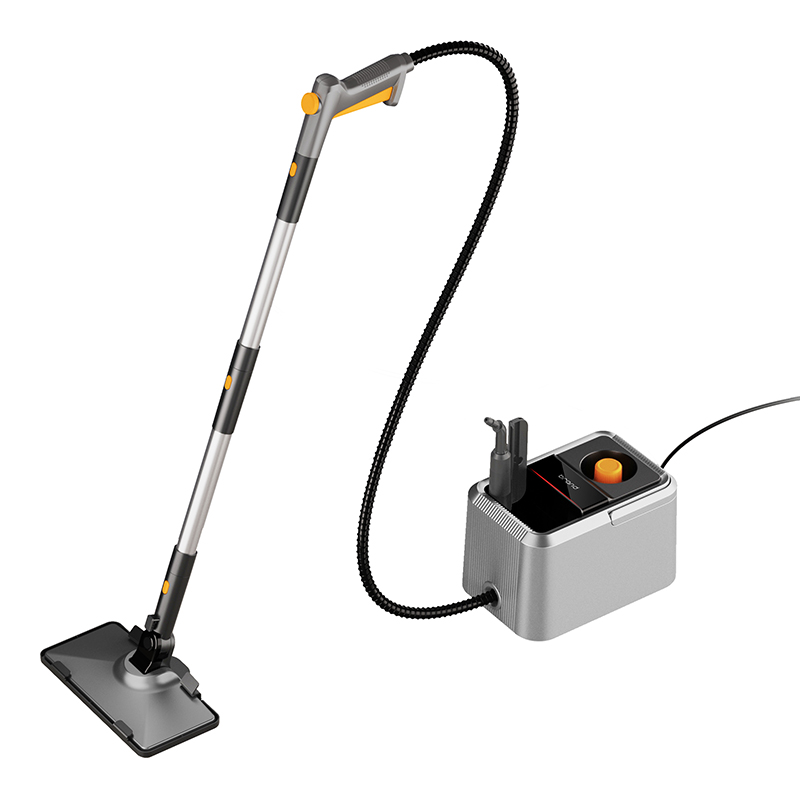
Steam Mop, Floor Washer and Steam Mop and Sweeper: Which Floor Cleaner Should You Source For most hard-floor households, a steam mop is the right starting product, a multifunctional steam mop suits users who want one machine for several jobs, and a floor washer suits homes where wet spills and sticky messes are the da...
READ MORE
Pressurized Steam Cleaner Supplier
Introduction to Pressurized Handheld Steam Cleaner
A pressurized handheld steam cleaner is a powerful portable cleaning device that delivers high-pressure steam jets to blast away stubborn dirt, grease, and grime from hard surfaces. Unlike standard handheld steamers, these units generate steam at elevated pressure levels, enabling deeper penetration into porous materials and more effective removal of set-in stains and buildup.
Pressurized handheld steam cleaners typically feature a sealed boiler system that builds up steam pressure, releasing it through precision nozzles in concentrated, forceful bursts. This high-pressure action dislodges caked-on grease, limescale, mold, and soap scum from tiles, grout, kitchen appliances, bathroom fixtures, and outdoor equipment. Common accessories include angled nozzles, brass scrub brushes, and extension wands that direct pressurized steam into tight crevices and hard-to-reach areas where dirt accumulates. The intense pressure also enhances sanitization by forcing steam deep into surfaces to kill bacteria, viruses, and allergens more thoroughly.
The pressurized handheld steam cleaner excels in demanding cleaning environments: it tackles deep household cleaning and heavy-duty home cleaning for tough messes, thorough office cleaning for high-traffic workspaces, intensive hotel cleaning in the hospitality industry, rigorous hospital cleaning in healthcare facilities, and industrial-strength commercial cleaning for professional cleaning services. It also delivers powerful results in childcare and daycare facilities, deep-clean restaurant and food service cleaning, heavy-use gym and fitness center maintenance, and thorough school and education facility cleaning, providing a chemical-free, high-performance solution for the most challenging cleaning tasks.
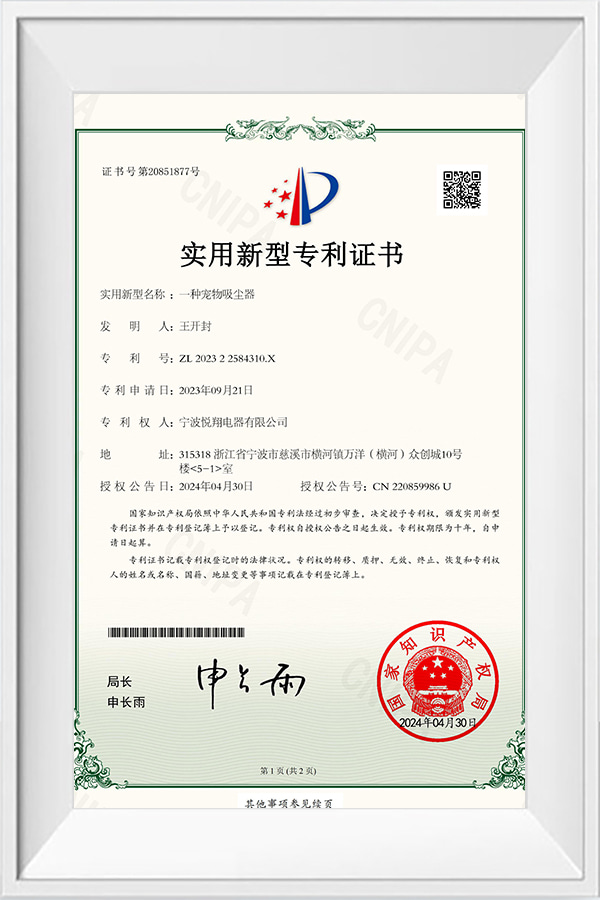
Ningbo Yuexiang Electric Appliance Co., Ltd.
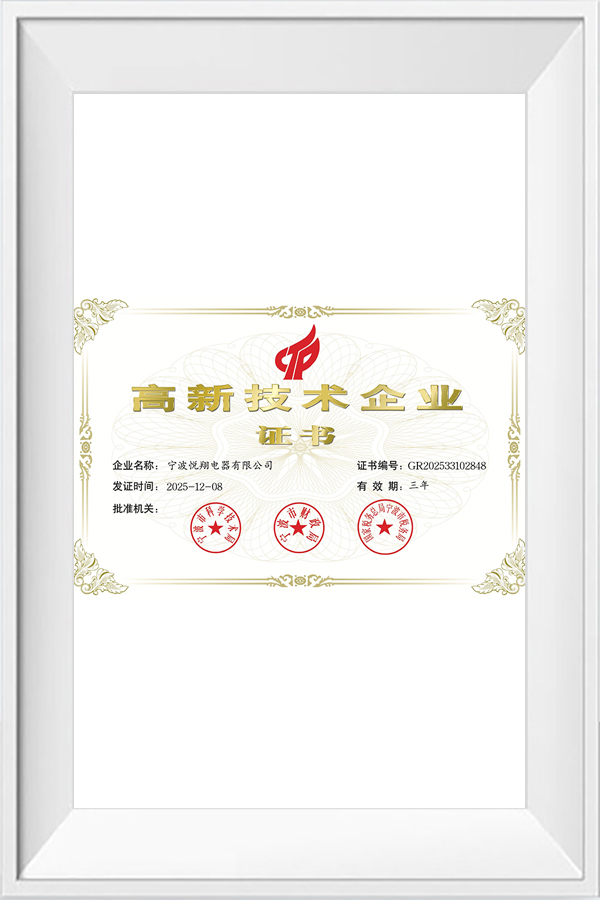
Founded in 2008, Ningbo Yuexiang Electric Appliance Co., Ltd. is specializing in home cleaning appliances for both oversea and home markets. Our company is located in Wanyang (Henghe) Entrepreneurial City, Henghe Town, Cixi City, Ningbo, China. We have our own mould making shop supported by experienced technical engineers, injection machines, products assembly lines.
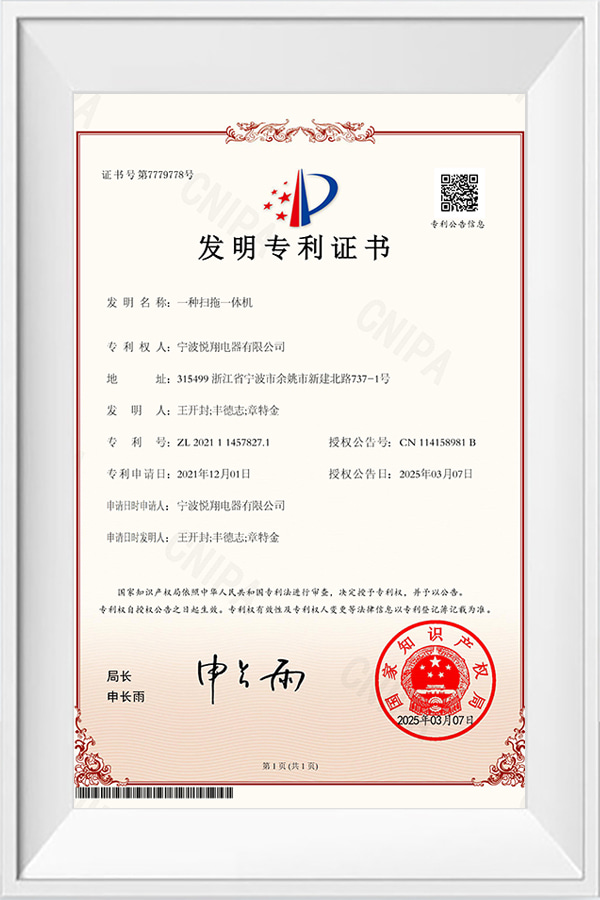
Ningbo Yuexiang Electric Appliance Co., Ltd. is a China Pressurized Steam Cleaner Supplierand OEM/ODM High Pressure Steam Cleaner Factory, we are mainly manufacturing Steam Mop, Steam Cleaner, Steam and Sweeper, Pet Electrical Appliances, Neck Massager, etc. With the mission to deliver high quality products, good services with competitive prices, we have a wide range of customers all over the world, Products are exported to Europe, the United States and Southeast Asia, more than 30 countries and regions. High praise from our customers are received. Our products have passed concerned safety certification as GS, CE, Rohs, FCC, UL, PSE, SAA etc.
Owing to high-quality products and superb services, we have been well accepted by our business partners. We are looking forward to having you as our enhanced customers and will appreciate your inquires. Your OEM and ODM are welcome always.
-
-
China Multifunctional Steam Mop Factory: A Buyer's Guide to Steam, Floor and Pet Cleaning Products Picture a distributor who needs one mixed container: a multifunctional steam mop, a steam mop and sweeper combo, a portable steam cleaner, a pet hair vacuum and a mini neck massager. Sourcing those five items from five f...
READ MORE -
China Steam Mop and Steam Cleaner Supplier: What Buyers Should Decide First Imagine a retailer building a home care catalogue who asks three factories for samples of a steam mop, a handheld steam cleaner and a neck massager. Three replies arrive in three different formats, with different voltage notes, different acces...
READ MORE
1. What a Pressurized Steam Cleaner Is
A pressurized steam cleaner heats water inside a closed vessel until it becomes steam, and the rising pressure pushes that steam through a hose and a nozzle. The user gets a stream of hot, low-moisture steam that loosens grease, softens dried residue and lifts light soil from hard surfaces. The cleaning action comes from heat and steam flow, with little need for chemical sprays.
The term is sometimes confused with a pressure washer. A pressure washer uses a pump to spray water at high force, while a steam cleaner uses heat to create steam inside a boiler. Importers and brand owners who look for a China pressurized steam cleaner factory usually want the second type: a household or light commercial machine with a boiler, a safety valve and a set of steam tools.
(1) Where These Machines Are Used
- Kitchens, with stove tops, oven doors and range hoods
- Bathrooms, with tile joints, faucets and shower screens
- Cars, with seats, door seals and cup holders
- Sofas, mattresses and curtains with a cloth cover tool
(2) Why Pressure Matters
A steady pressure level keeps steam flowing at a stable rate. Without it, output rises and falls, and the user loses control over cleaning strength. For buyers, the way a factory designs and tests the pressure system says a lot about the consistency of the finished product.
2. Working Principle and Steam Path
The working path is easy to follow. Water enters the boiler from the tank, and an electric element heats it. As steam forms, pressure builds inside the sealed vessel, and a control device keeps that pressure within a set range. When the user squeezes the trigger, steam travels along the hose and wand and leaves through the tool head. The diagram below shows this path in simplified form.
The diagram follows the steam from the tank to the tool head. The tank feeds the boiler, which is the heart of the machine. A pressure control device keeps the vessel within its working range, while a safety valve relieves excess pressure if the control ever fails to act. A ready light tells the user when steam is available. Hose and wand carry the steam to the surface, and the tool head shapes it for the task. Each block in the path is a point where a factory can adjust materials, seals and fit to improve consistency.
| Part | Role | Design Focus |
|---|---|---|
| Boiler | Heats water and holds pressure | Wall strength and scale resistance |
| Safety valve | Releases excess pressure | Reliable opening response |
| Pressure cap | Seals the boiler | Lock that opens only when pressure is released |
| Hose and wand | Carries steam to the tool | Heat-resistant material |
| Tool set | Shapes steam for each task | Quick-connect fitting |
3. Where Design Attention Goes
A pressurized machine holds hot steam inside a sealed vessel, so its design deserves careful attention in several areas. The boiler and the safety parts take the lead, followed by pressure control and the hose set. The treemap below shows an illustrative split of that attention.
The treemap is a planning illustration and not a measured breakdown. The boiler takes the largest area because it sets pressure behavior, heat-up and long-term durability. Safety valve and cap design follow, since these parts protect the user during filling, use and cooling. Pressure control shapes how steady the steam flow feels in the hand. Hose, wand and tools complete the picture, as they decide how well the steam reaches different surfaces. A buyer can use this view to ask a factory how each area is tested before a model goes to production.
(1) Steam Quality
Steam quality describes how dry the steam is when it leaves the nozzle. A well-matched boiler and wand deliver steam with little condensed water, which leaves surfaces nearly dry after cleaning. Short hose runs and insulated fittings reduce heat loss on the way to the tool.
4. Types and Tank Size Choices
Pressurized steam cleaners follow two main formats. A handheld pressurized unit packs a small boiler into a compact body and suits spot cleaning. A canister unit puts a larger boiler in a base on the floor and uses a hose and wand, which supports longer sessions. A canister steam cleaner supplier usually offers several tank sizes so that a buyer can match capacity to the customer group.
(1) Capacity and Weight Trade-Off
This combination chart uses illustrative indexes and does not report measured values. The bars show tank volume growing from the compact class to the extra large class. The line shows how the weight of the machine rises along with that volume. A larger tank gives longer steaming time between refills but adds mass, which affects carrying and storage. The compact class suits users who clean small areas and want a light body. The extra large class suits users who clean for longer periods and accept a heavier base. Buyers can read both series together to pick the size class that fits the customer.
| Format | Best For | Strength | Point to Consider |
|---|---|---|---|
| Handheld pressurized | Spot cleaning | Compact and quick to start | Short steaming time |
| Canister, medium tank | Whole-room tasks | Balanced run time and weight | Needs floor space |
| Canister, large tank | Long sessions and vehicles | Fewer refills | Heavier base |
5. Application Fit and Selection Points
Steam cleaning suits sealed hard surfaces and many household items, and it needs care on heat-sensitive materials. The radial bar chart below rates the fit of a pressurized unit for four common surface groups, using an illustrative scale.
The radial bar chart gives an illustrative fit rating and not survey data. Each ring stands for one surface group, and a longer arc means a closer match. Tile joints score highest, since steam reaches narrow gaps and loosens residue without scrubbing. Stainless steel and glass follow, as steam lifts grease and film, and a squeegee finishes the job. Fabric covers score lower because users must test colorfastness and move the nozzle steadily. Buyers can use the chart to decide which tools to include in the carton and which surface groups to feature on the product page.
(1) Selection Checklist
- Decide between handheld and canister formats for the target customer.
- Choose tank size by balancing steaming time against weight.
- Review the safety cap, valve design and filling steps.
- Confirm the tool set, hose length and cord length.
- Confirm voltage, plug type, manual language and carton format for the destination.
6. Production at a Ningbo Steam Cleaner Factory
Ningbo Yuexiang Electric Appliance Co., Ltd. was founded in 2008 and specializes in home cleaning appliances for overseas and domestic markets. The factory is located in Wanyang (Henghe) Entrepreneurial City, Henghe Town, Cixi City, Ningbo. Its main products include steam mops, steam cleaners, steam and sweeper models, pet electrical appliances and neck massagers, shipped to Europe, the United States and Southeast Asia across more than 30 countries and regions.
Steam cleaners are part of this regular range, so the engineering team works with heating, sealing and cut-off parts every day. Yuexiang operates its own mould making shop with experienced technical engineers, together with injection machines and product assembly lines. Tank housings, handles, caps and tool holders are plastic parts, so in-house tooling and molding give a project team direct control over fit and finish. This base supports both China pressurized steam cleaner OEM work and ODM projects.
(1) What In-House Tooling Offers
When a buyer asks for a new cap profile, a different handle or a changed tool holder, the mould team can adjust the tool without waiting for an outside shop. Trial parts come from injection machines on site, and engineers can test fit on the same line. This short loop helps private label programs, where small structural changes are common.
7. Wholesale and OEM Project Planning
Distributors who plan China high pressure steam cleaner wholesale programs usually think about range structure first. A typical range pairs a handheld unit with one or two canister sizes and a set of extra tools. A factory that offers several sizes from one platform can help the buyer keep the range clear and the carton formats consistent.
(1) Points to Define Early
- Format, tank size and the number of models in the range
- Tool set, hose length, cord length and storage solution
- Color, logo, manual language and carton art
- Voltage and plug type for each destination market
(2) How the Steps Follow
- Brief review and structure proposal.
- Industrial design and drawing approval.
- Mould making and trial parts in the in-house shop.
- Sample assembly, steam output checks and revision.
- Pilot batch, packaging approval and mass production.
8. Care and Maintenance Guidance
A pressurized steam cleaner holds hot steam, so careful handling matters. Brands can print the points below in the manual or on a card inside the carton.
(1) Before and After Use
- Fill the tank only when the unit is cool and unplugged.
- Release pressure fully before opening the safety cap.
- Empty remaining water after use and store the unit dry.
- Keep the unit away from children and pets during and after use.
(2) Periodic Care
Mineral scale builds up inside the boiler, most quickly with hard water. Using the water type advised in the manual and following the descaling routine for the model keep the heating path clear. Check the cap seal, hose and cord at regular intervals, and replace worn parts with items supplied for the model.
9. Frequently Asked Questions
(1) What is a pressurized steam cleaner?
It is a cleaning machine that heats water in a sealed boiler and releases the steam through a hose and nozzle. The steam loosens grease and residue on hard surfaces.
(2) How does it differ from a pressure washer?
A pressure washer sprays water at high force with a pump. A steam cleaner uses heat to produce steam and cleans with heat and steam flow, using far less water.
(3) Which surfaces suit steam cleaning?
Sealed tile, grout, stainless steel, glass and many sealed household surfaces are common. Users should read the care notes of each surface and test a small hidden area first.
(4) What should a buyer prepare for a wholesale or OEM inquiry?
Share the target market, voltage and plug type, preferred format, tank size, tool set, packaging style and expected order volume. A complete brief shortens the first round of discussion.
(5) Can color, logo and tools be customized?
Yes. Color, logo, tool set, manual language and carton art are common customization points. Structural changes can be discussed at the design stage with the engineering team.
(6) Does the factory supply other home cleaning products?
Ningbo Yuexiang also manufactures steam mops, steam and sweeper models, pet electrical appliances and neck massagers, so a buyer can discuss several lines in one project. OEM and ODM inquiries are welcome.

- CONTACT INFORMATION
-
-
 +86-574-23889768
+86-15867411256
Got questions? Call us 24/7 -
 sales@nbyuexiang.com
Contact us now for a quote -
 Building 10, Wanyang (Henghe) Entrepreneurial City, Henghe Town, Cixi City, Ningbo,China(P.C.:315318)
-
- GET TOUCH
Copyright ©
Ningbo Yuexiang Electric Appliance Co., Ltd.
All Rights Reserved.
Pressurized Steam Cleaner Supplier
OEM/ODM High Pressure Steam Cleaner Factory
