
 English
 русский

China Steam Mop and Steam Cleaner Supplier: OEM, ODM and Custom
China Steam Mop and Steam Cleaner Supplier: What Buyers Should Decide First
Imagine a retailer building a home care catalogue who asks three factories for samples of a steam mop, a handheld steam cleaner and a neck massager. Three replies arrive in three different formats, with different voltage notes, different accessory lists and different certificate names, and the buyer spends a week just lining them up. The practical lesson is that working with a China steam mop and steam cleaner supplier goes more smoothly when the buyer decides specifications, target market and customization scope first, and then asks the factory to reply in that structure.
The short answer: choose a manufacturer that owns its tooling, documents certification model by model, explains steam performance with numbers such as tank size, heater rating and heat-up time, and is open to both OEM and ODM work. Ningbo Yuexiang Electric Appliance Co., Ltd. builds steam mops, steam cleaners, steam and sweeper models, pet electrical appliances and neck massagers, so a buyer can discuss several product families with one team.
This guide walks through what to check with a China steam mop manufacturer, how a China steam cleaner ODM project runs, what a China pet electrical appliances supplier should document, and how a China neck massager OEM order is shaped. It also covers certification, lead time and the information that makes a first inquiry easy to answer.
Who This Guide Is For
- Importers and distributors adding steam cleaning products to an existing home appliance range.
- Wholesalers who need several related product families from one factory.
- Private label and e-commerce brands planning custom designs, colours and packaging.
- Sourcing teams who want a clear checklist before requesting samples.
Key conclusion: fix your specifications, market and customization scope first, then compare factories on the same structure.
Ningbo Yuexiang Electric Appliance Co., Ltd.: A China Home Appliance Manufacturer Since 2008
Founded in 2008, Ningbo Yuexiang Electric Appliance Co., Ltd. specializes in home cleaning appliances for both overseas and home markets. The company is located in Wanyang (Henghe) Entrepreneurial City, Henghe Town, Cixi City, Ningbo, China. It has its own mould making shop supported by experienced technical engineers, together with injection machines and product assembly lines.
The factory mainly manufactures steam mops, steam cleaners, steam and sweeper models, pet electrical appliances, neck massagers and related products. Its mission is to deliver high quality products and good service, and it has a wide range of customers around the world. Products are exported to Europe, the United States and Southeast Asia, covering more than 30 countries and regions, and the company has received high praise from its customers. Its products have passed safety certifications including GS, CE, RoHS, FCC, UL, PSE and SAA.
Owing to high quality products and attentive service, the company has been well accepted by its business partners. It looks forward to welcoming new customers, appreciates every inquiry, and welcomes both OEM and ODM projects.
How the Factory Setup Helps Across Product Lines
A factory that handles mould making, injection moulding and assembly in one place can respond faster when a design needs adjustment. If a steam mop water tank cap needs a tighter seal or a neck massager shell needs a different curve, the engineers who built the tool can review it directly. For buyers, this reduces the number of handovers between workshops and makes it easier to get a clear answer about what can change.
- Mould shop: new tools, insert changes and routine maintenance.
- Injection machines: housings, tanks, handles and shells produced in house.
- Assembly lines: parts brought together with function checks before packing.
- Technical engineers: briefs turned into drawings, samples and test plans.
Product Families at a Glance
- Steam mops, including upright, handheld and two-in-one formats.
- Steam cleaners for detail work on kitchens, bathrooms and small surfaces.
- Steam and sweeper models that combine dry pickup with wet cleaning.
- Pet electrical appliances for households with cats and dogs.
- Neck massagers for personal comfort and relaxation.
Key conclusion: in-house moulds, injection and assembly let one team support several product families.
China Steam Mop Manufacturer and Supplier: Formats, Features and Custom Options
A China steam mop manufacturer should be able to offer several formats, explain who each one suits, and show which parts can be customized without rebuilding the whole product. For a buyer comparing one China steam mop supplier with another, this structure is more useful than a long feature list because it ties each model to a real cleaning situation. Ningbo Yuexiang builds steam mops as a core product line, and its in-house tooling supports changes to pads, handles, colours and accessories.
Upright Steam Mops
Upright models are designed for standing use on hard floors such as tile, laminate and sealed wood. Typical specifications include a heating element between 1,000 W and 1,500 W, a water tank of 300 ml to 450 ml, and a cord of about 5 m. A wide pad covers more floor per pass, and a swivel head helps users move around furniture legs and door frames.
Handheld Steam Mops and Compact Units
A handheld steam mop is a compact format meant for smaller areas, vertical surfaces and quick tasks. Buyers asking for China handheld steam mop custom projects often want a lighter body, a shorter heat-up time and a set of cloth covers for different surfaces. Because the body is smaller, details such as grip shape, trigger position and weight balance matter more, so samples should be tested by hand before approval.
Two-in-One Convertible Models
Two-in-one steam mops combine an upright floor tool with a detachable handheld unit. They suit small households that want one appliance for floors, kitchen counters and tiled walls. For the factory, this format needs careful design of the connector and safety lock, and for the buyer it offers a clear selling point in a crowded listing.
Choosing between formats depends on where your customers clean. The chart below compares the three formats across three home settings using an indicative fit index. It is a planning aid rather than a test result.
The grouped columns compare three steam mop formats across three home settings on an indicative fit index from 0 to 100. In large hard-floor homes the upright steam mop scores 90, which reflects its wide pad and comfortable standing posture. In small apartments the two-in-one model leads at 85 because it moves between floor cleaning and spot work without a second appliance. For detail and surface cleaning the handheld steam mop scores 90, well above the upright format at 30. These patterns explain why many importers combine two formats in a range instead of relying on one. The values are planning estimates, so buyers should validate them with customer feedback in their own market before fixing the range.
Steam Mop Custom Options
- Pad shape, material and washable cover design.
- Tank capacity and cap design within the available structure.
- Handle length, grip colour, cord length and plug type for the target market.
- Body colour, logo placement and carton artwork.
- Accessory set, such as scrubbing pads, a filling cup and a descaling guide.
Key conclusion: match the steam mop format to where your customers clean, and customize pads, colours and accessories first.
China Steam Cleaner Manufacturer and ODM Supplier: Specifications That Shape Performance
A China steam cleaner manufacturer earns trust by describing tank capacity, steam settings, accessory sets and safety locks in numbers, and by showing which of them can change in a China steam cleaner ODM project. Ningbo Yuexiang works as a China steam cleaner supplier for retailers and distributors, using its mould shop and assembly lines to adapt existing models to a buyer's brief. The sections below explain the specifications that most often decide whether a steam cleaner suits a given market.
Tank Size, Heater and Run Time
Tank capacity and continuous steam run time are linked, but the relationship is not a straight line because heater rating and steam setting also play a part. Handheld units suit quick jobs, while larger canister models support longer sessions in kitchens and bathrooms. The scatter plot below places three product classes by tank size and indicative run time so you can see where each one sits.
The scatter plot places three product classes by tank capacity and continuous steam run time. Handheld steam cleaners cluster at the lower left, with tanks around 250 ml to 350 ml and run times near 8 to 12 minutes. Steam mops sit slightly higher, with tanks of 300 ml to 450 ml and run times of about 14 to 24 minutes. Canister steam cleaners occupy the upper right, where tanks of 750 ml to 1,150 ml support run times of roughly 32 to 52 minutes. The upward drift of each cluster shows that tank size is the main lever for run time, though heater rating and steam setting also contribute. These points are indicative values for planning conversations and should be replaced by measured data from the samples you approve.
Accessories, Safety and What Changes in an ODM Project
Accessories shape how a steam cleaner is used and how it appears in a product listing. Nozzles, brushes, extension hoses and cloth covers should be matched to the surfaces your customers clean, and a safety cap that stays locked while pressure remains is a key point to confirm. In an ODM project, the factory starts from an existing model and adjusts the parts shown in the table below.
| Item | Standard Option | Custom ODM Option |
|---|---|---|
| Accessory set | Nozzle, brush and extension hose | Added squeegee, cloth covers and a branded storage bag |
| Steam control | Single or dual level | Adjustable levels with an indicator light |
| Colour and finish | Factory colour set | Brand colour, logo and surface texture |
| Cord and plug | Standard length and common plug | Length and plug type matched to the destination market |
| Manual and carton | Factory template | Brand artwork and language versions |
Key conclusion: ask a steam cleaner supplier for tank, run time and accessory data in writing, and agree the ODM changes before samples start.
China Pet Electrical Appliances Manufacturer: Choosing a Supplier for Pet Care Products
A China pet electrical appliances manufacturer should explain what is in its current range, how products are designed for use around animals, and how the packaging and manual speak to pet owners. Pet households tend to look for tools that make daily care and cleaning simpler, so product ideas often sit close to home cleaning appliances. Ningbo Yuexiang lists pet electrical appliances among its main products, and a buyer can ask the sales team for the models available today.
What a China Pet Electrical Appliances Supplier Should Document
A reliable China pet electrical appliances supplier provides the same core documents as any electrical product factory, and adds a few points that matter around animals. Noise level is one of them, because sudden or loud sounds can make pets uneasy. Smooth edges, secure covers and stable charging or cord arrangements are others, since pets may sniff or approach the device during use.
- Specification sheet with voltage, power, battery details if any, and operating noise information.
- Material information for parts that touch fur or are handled frequently.
- Certificate copies matched to the exact model and destination market.
- Manual with clear usage and safety notes written for pet owners.
China Pet Appliances OEM: Where Customization Fits
In a China pet appliances OEM project, branding and presentation usually lead the brief. Buyers choose colours that fit a pet care brand, request packaging that shows how the product is used, and add accessories that suit local pet habits. Pairing pet appliances with steam and sweeper models also helps retailers build a pet household bundle, since the same customer often looks for both grooming support and floor cleaning.
Timing matters in this category because pet product demand moves through the year. The area chart below shows an indicative monthly planning index, with the peak month set to 100. It is meant to prompt planning discussions rather than replace your own sales history.
The area chart traces an indicative monthly planning index for pet electrical appliance orders, with the peak month set to 100. The curve rises from about 60 in January to 92 in May, which matches the spring period when many households notice heavier shedding. A softer dip appears in July and August, where the index falls to 80 and 78, before demand climbs again through autumn. November reaches the peak of 100, a pattern often linked to gift buying and seasonal promotions. For importers, this shape suggests placing production orders ahead of spring and ahead of the autumn promotion window rather than at the start of each peak. The index is a planning illustration, so local sales history should take priority wherever it is available.
Key conclusion: ask a pet appliance supplier about noise, materials and manuals, and place orders ahead of seasonal peaks.
China Neck Massager Manufacturer, Supplier and OEM: Custom Options That Matter
A China neck massager manufacturer should be able to describe heat function, intensity modes, battery capacity and shell materials in clear terms, and explain which of them can be customized. As a China neck massager supplier, Ningbo Yuexiang makes neck massagers alongside its cleaning appliances, so buyers who already source steam products can add a personal care item without opening a new supplier relationship. Listings for these products should focus on comfort and relaxation, and should avoid medical claims.
Features Buyers Usually Discuss
- Intensity levels and mode programs, including how users switch between them.
- Heat function, with temperature limits and automatic shut-off timing.
- Rechargeable battery capacity, charging port type and indicative run time per charge.
- Shell shape, lining fabric and weight, which affect comfort during longer use.
China Neck Massager OEM and Custom Projects
A China neck massager OEM project often starts with branding, since logo placement and carton design shape how the product looks on a shelf or in an online listing. A China neck massager custom brief then moves into colour, surface finish, mode settings and charging specifications. Because lithium batteries are involved, buyers should also ask which battery safety and transport documents the factory can provide, so that shipping arrangements are clear before the order is confirmed.
The chart below shows which custom options appear in an indicative share of neck massager briefs. It helps first-time buyers see which topics to prepare before the first call.
The four rings show an indicative share of neck massager custom briefs that include each option. Logo and packaging appear in about 90 percent of briefs, which makes brand presentation the most common starting point. Colour and finish follow at 75 percent, since a different shell colour or soft touch surface can change how the product sits in a retail category. Mode and intensity settings appear in 60 percent of briefs, and battery and charging specifications appear in 55 percent. The lower figures do not mean these items matter less, because they often arrive later, once the buyer has handled a first sample. The percentages are planning estimates rather than company statistics, and each project should confirm its own list.
Key conclusion: start a neck massager project with branding, then settle modes, battery details and shipping documents before ordering.
Certification and Compliance Across Steam, Pet and Massager Products
Certification depends on the exact model and the destination market, so a certificate for one version of a steam mop does not automatically cover a different heater, plug or battery. A prepared exporter can tell you which marks apply to your market and send documents that match your model name. Ningbo Yuexiang states that its products have passed GS, CE, RoHS, FCC, UL, PSE and SAA certification, and buyers should confirm coverage for each product they plan to order.
| Market | Marks Commonly Requested | Practical Note |
|---|---|---|
| Europe | CE, RoHS, GS | Declaration of conformity and manual in local languages |
| United States | UL, FCC | Retailer requirements may add further tests |
| Japan | PSE | Plan early because the mark differs from the European set |
| Australia | SAA | Plug and rating plate must match local rules |
| Southeast Asia | CE and RoHS as reference | Confirm national rules with a local importer |
Document Pack to Request Before Ordering
- Certificate copies and test report numbers that match the exact model name.
- Declaration of conformity and RoHS declaration for the target market.
- Battery safety and transport documents for rechargeable products such as neck massagers.
- Manual, rating plate and carton label proofs approved before printing.
Key conclusion: match certificates to the exact model, market and battery type before you confirm an order.
OEM and ODM Workflow: From Inquiry to Shipment for Steam, Pet and Massage Products
The workflow for custom orders is similar across product families, and the biggest time savings come from a clear brief and prompt sample approval. Whether the project is a China steam mop custom order, a steam cleaner ODM project or a pet appliances OEM request, the steps below describe how work usually moves.
- Inquiry: product type, target market, voltage, plug, expected volume and branding needs.
- Proposal: the factory suggests an existing model or a modification, with a specification sheet.
- Sample: a first sample is made, tested and reviewed by the buyer.
- Approval: changes are recorded and a reference unit is kept at the factory.
- Production: parts are prepared, units are assembled and function tests are carried out.
- Inspection and shipment: packing is checked, documents are prepared and goods are loaded.
Lead time is the next question for most buyers. The dumbbell chart below shows an indicative range for each product family, measured from approved sample to shipment readiness when existing tooling is used. New tooling would add time before this window begins.
The dumbbell chart shows indicative week ranges from approved sample to shipment readiness when existing tooling is used. Steam mops sit at the shorter end, with a range of 5 to 8 weeks, because the structure is established and mainly packaging and branding change. Handheld steam mops follow at 6 to 9 weeks, and steam cleaners run from 6 to 10 weeks because of accessory sets and pressure checks. Pet electrical appliances range from 7 to 11 weeks, and neck massagers run from 7 to 12 weeks since battery documents and shipping tests need extra time. Each bar is a range rather than a promise, as the final schedule depends on order quantity, packaging artwork and the factory's production plan. Sharing your target launch date early lets the sales team work backward and flag any tight points.
Key conclusion: share your launch date and branding files at the start so the schedule can be planned backward from your shelf date.
Working With a China Steam Mop and Steam Cleaner Supplier as a Wholesaler or Private Label Brand
The way you work with a factory should reflect your business model. A wholesaler values steady supply across several models, a distributor needs documents and after-sales support, and a private label brand focuses on design and packaging. Ningbo Yuexiang serves customers in more than 30 countries and regions, and it works with these buyer types through both standard and custom projects.
Wholesalers and Distributors
Wholesale and distribution customers usually start with existing models and adjust plug type, packaging and manuals for their region. Agree early on reorder lead times, spare parts supply for pads, hoses and tanks, and how production batches are labelled so that any later question about a shipment can be traced. Combining steam products with pet appliances or neck massagers in one order can also simplify logistics.
Private Label and E-commerce Brands
Private label brands often need their own colour, accessory set and packaging graphics. Provide artwork files and brand colour references at the start, and plan photography samples ahead of mass production so listings are ready when stock arrives. Because online buyers read reviews closely, a clear manual and a descaling or care guide inside the box help reduce avoidable questions.
Information to Include in Your First Inquiry
- Product type and target market, including voltage and plug standard.
- Expected yearly volume and first order quantity.
- Branding needs: logo, colour, packaging and manual language.
- Certification requirements for your sales channel.
- Target launch date and preferred shipping method.
A complete inquiry saves several rounds of messages and lets the engineering and sales teams respond with a specific proposal. If some details are still open, list them as open items so the factory can suggest options.
Key conclusion: a complete first inquiry shortens the path from request to a workable proposal.
Explore More From Ningbo Yuexiang
Visit the Ningbo Yuexiang Electric Appliance website to view product categories, or send an OEM or ODM inquiry with your target market and product requirements.
Frequently Asked Questions About Sourcing Steam, Pet and Massage Appliances From China
Q1: What should I check when choosing a China steam mop manufacturer?
Check tooling ownership, certificate copies that match your model, the specification sheet with tank size, heater rating and cord length, and the test routine used before packing. Ask for a signed sample record and a retained reference unit. A factory with its own mould shop and assembly lines, such as Ningbo Yuexiang, can usually answer these points with specific information.
Q2: Can a China steam mop and steam cleaner supplier customize handheld models?
Yes, custom work is common for handheld models. Buyers usually adjust body colour, logo, cloth covers, accessory sets and packaging, and some projects also change grip shape or steam control. The feasible scope depends on the existing tooling, so share your brief early and ask the engineers which parts can change without new moulds.
Q3: What does a China steam cleaner ODM project involve?
The factory starts from an existing steam cleaner design and adapts it to your brief, covering accessories, steam settings, colours, plug type, manual and packaging. After a sample is built and approved, a pilot run confirms that the line can repeat it. Because the base design already exists, the ODM route is generally shorter than building a new product from a drawing.
Q4: What should a China pet electrical appliances supplier be able to provide?
Expect a specification sheet, certificate copies for the exact model, material information for parts that touch fur, noise information and a manual written for pet owners. For OEM projects, the supplier should also discuss colour, packaging and accessories. Ask which models are in the current range so that your request matches what the factory builds.
Q5: How does a China neck massager OEM order work, and which documents matter?
The order usually begins with branding and packaging, then moves to colour, finish, mode settings and charging specifications. Because neck massagers use rechargeable batteries, request battery safety and transport documents along with the product certificates for your market. Keep listing language focused on comfort and relaxation and avoid medical claims.
Q6: How do I start an inquiry and reduce risk before the first shipment?
Send the product type, target market, voltage, plug, expected volume, branding needs and launch date in one message. Approve a written sample record, agree an inspection plan, and review packing photos before loading. Consider a third party inspection for the first order, which helps both sides confirm that production matches the approved sample.
Key conclusion: a factory that answers with documents, samples and clear plans gives your first order a firm start.
-
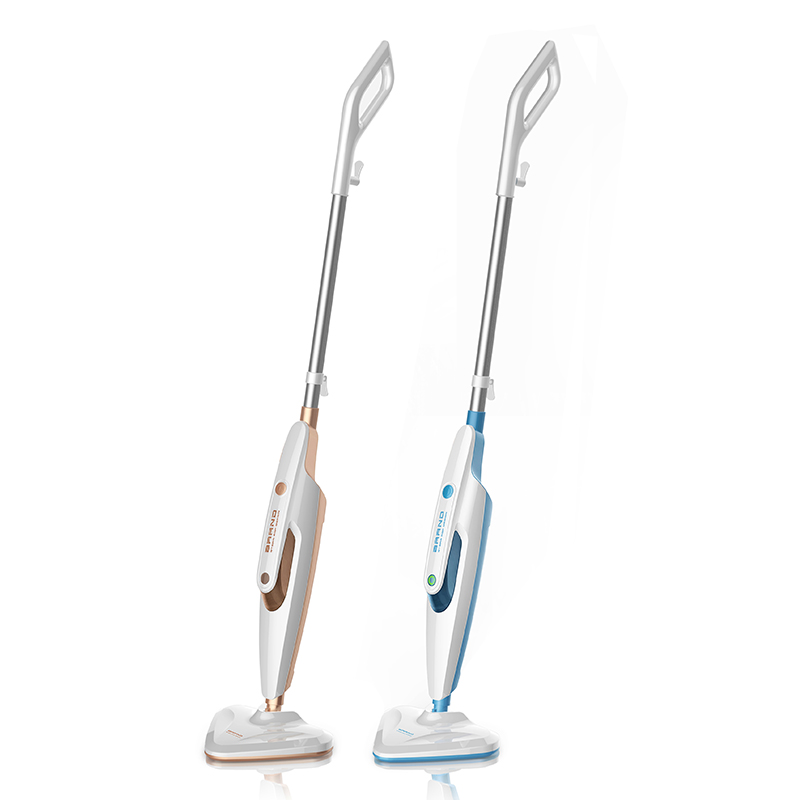 XY-318 Lightweight Steam Mop Cleaner for Residential and Commercial Cleaning
-
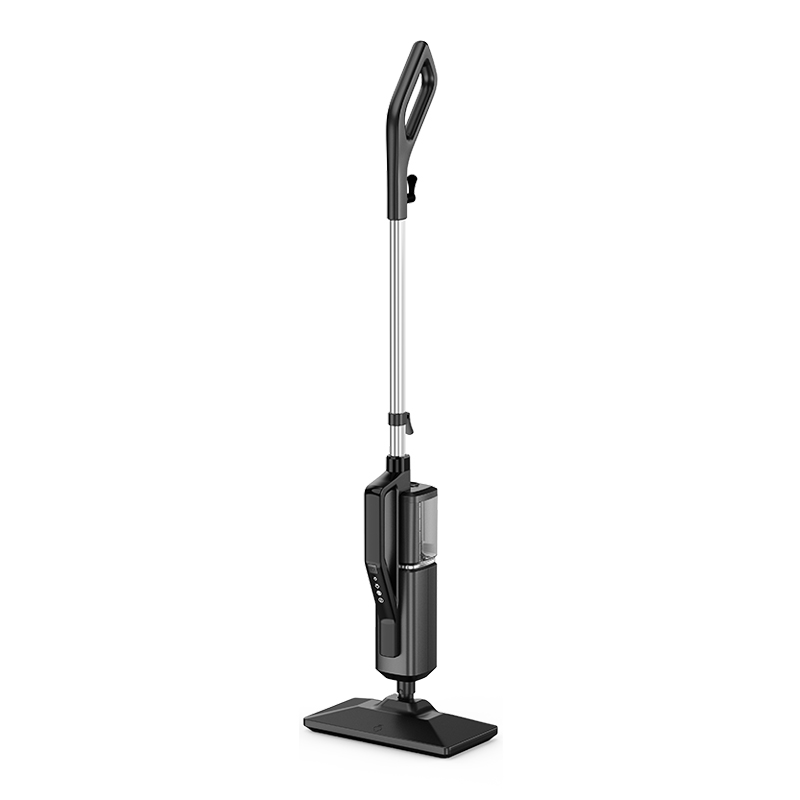 XY-617 High-Power Multifunctional Steam Mop Cleaner Portable for Home and Office Cleaning
-
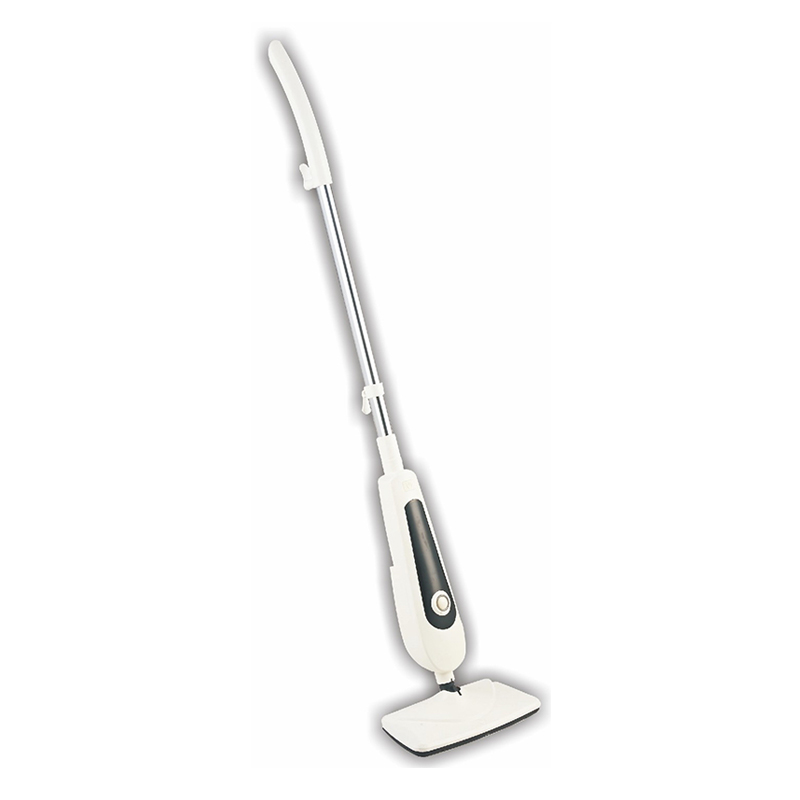 XY-306 High-Temperature Steam Mop Cleaner for Hospitals and Childcare Facilities
-
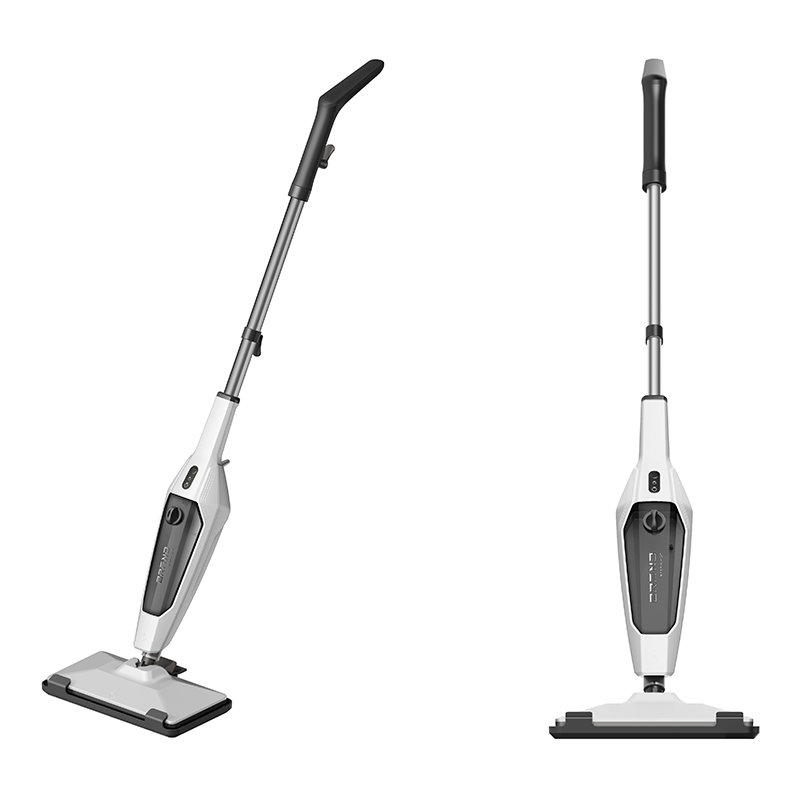 XY-611 Electric Multifunctional Steam Mop Adjustable Steam for Hardwood and Tile Floors
-
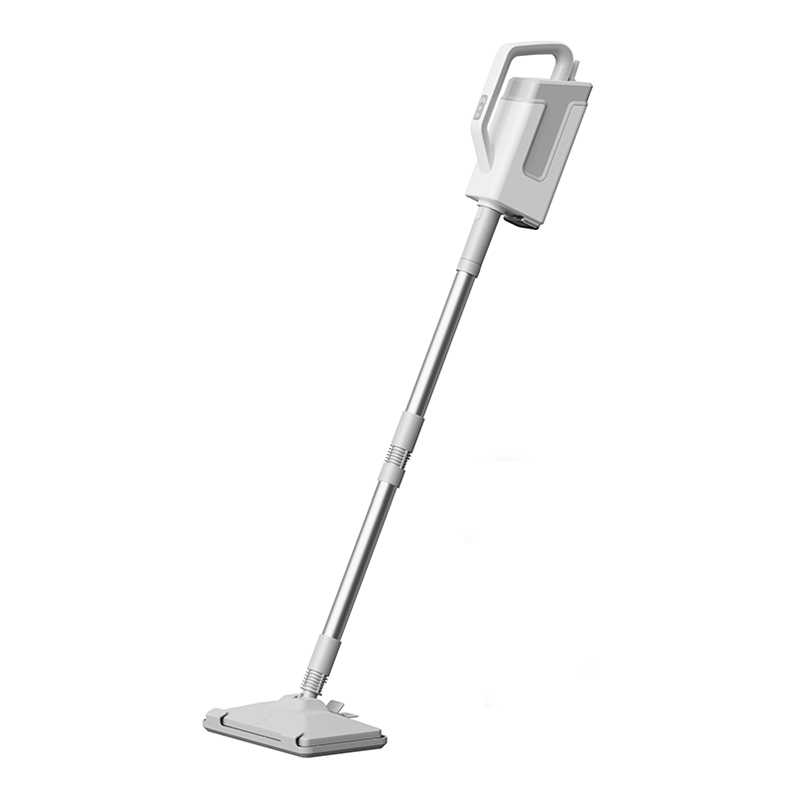 XY-612 Adjustable Handheld Multifunctional Steam Mop for Car, Home, and Commercial Use
-
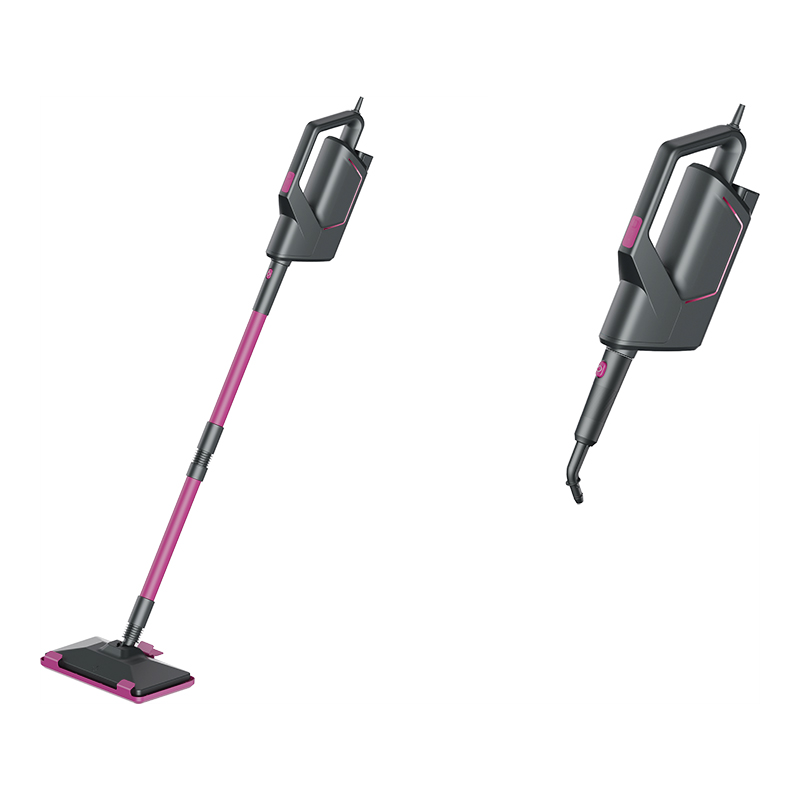 XY-614 Portable Multifunctional Steam Mop 1500W for Home and Hotel Cleaning

- CONTACT INFORMATION
-
-
 +86-574-23889768
+86-15867411256
Got questions? Call us 24/7 -
 sales@nbyuexiang.com
Contact us now for a quote -
 Building 10, Wanyang (Henghe) Entrepreneurial City, Henghe Town, Cixi City, Ningbo,China(P.C.:315318)
-
- GET TOUCH
