
 English
 русский

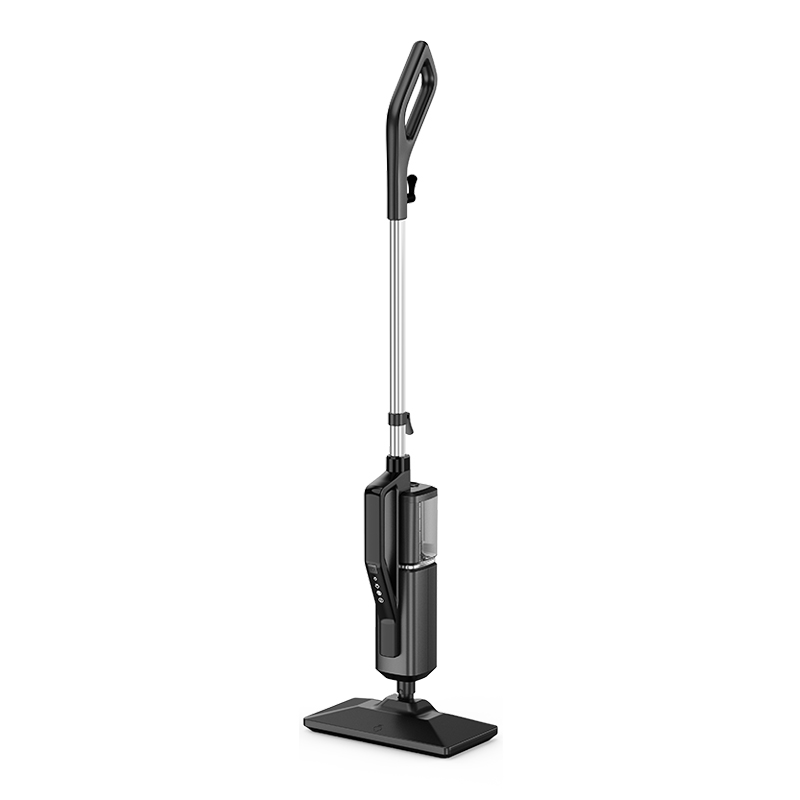
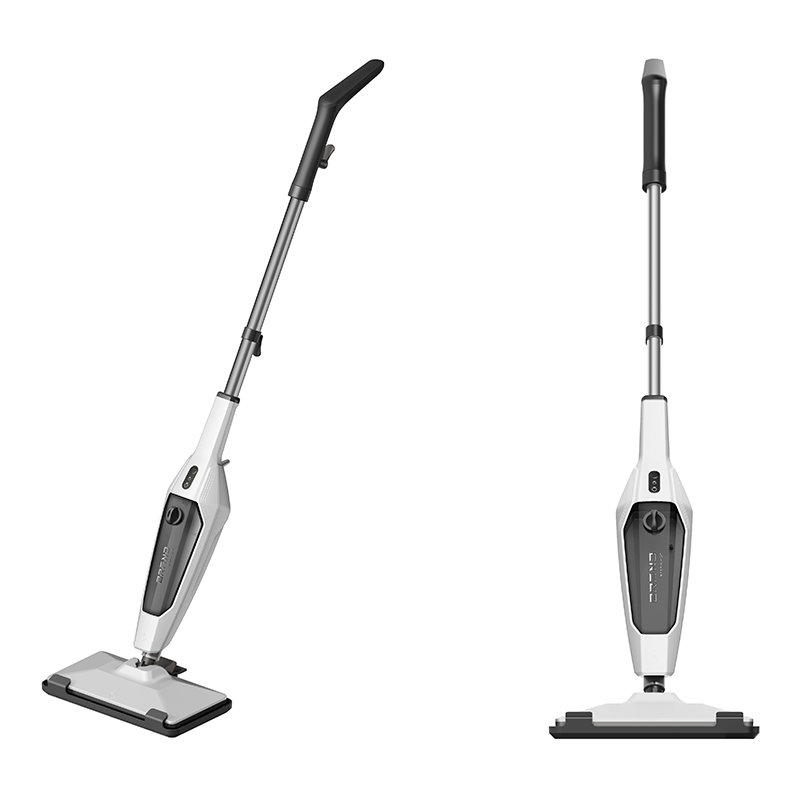
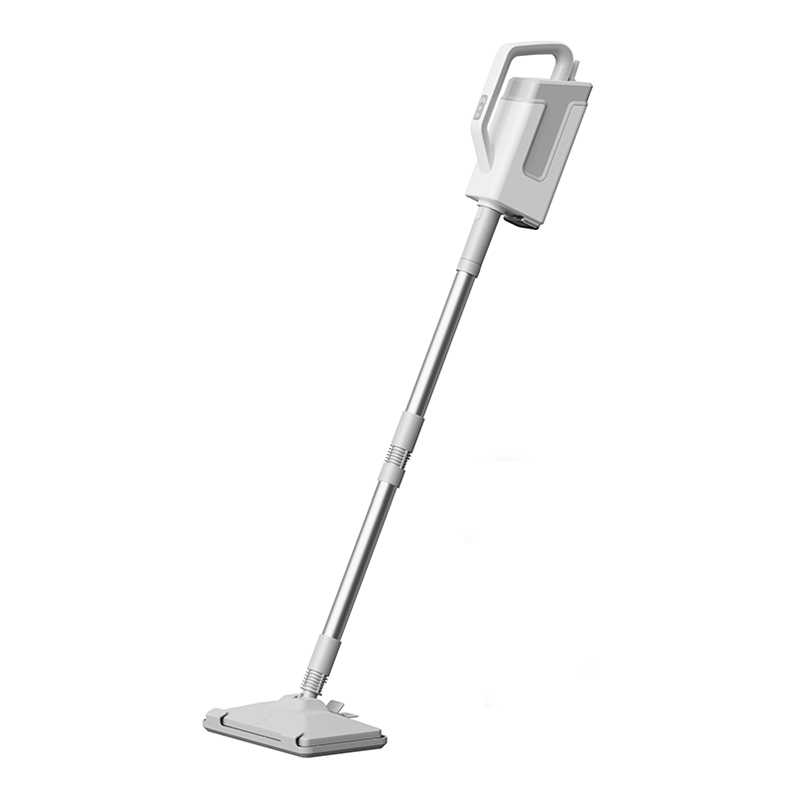
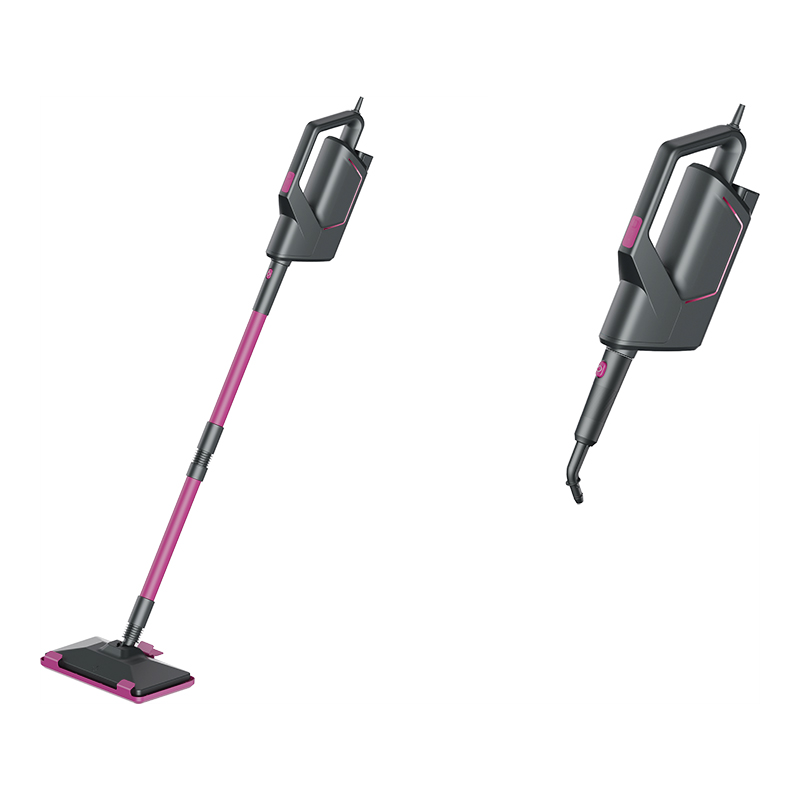
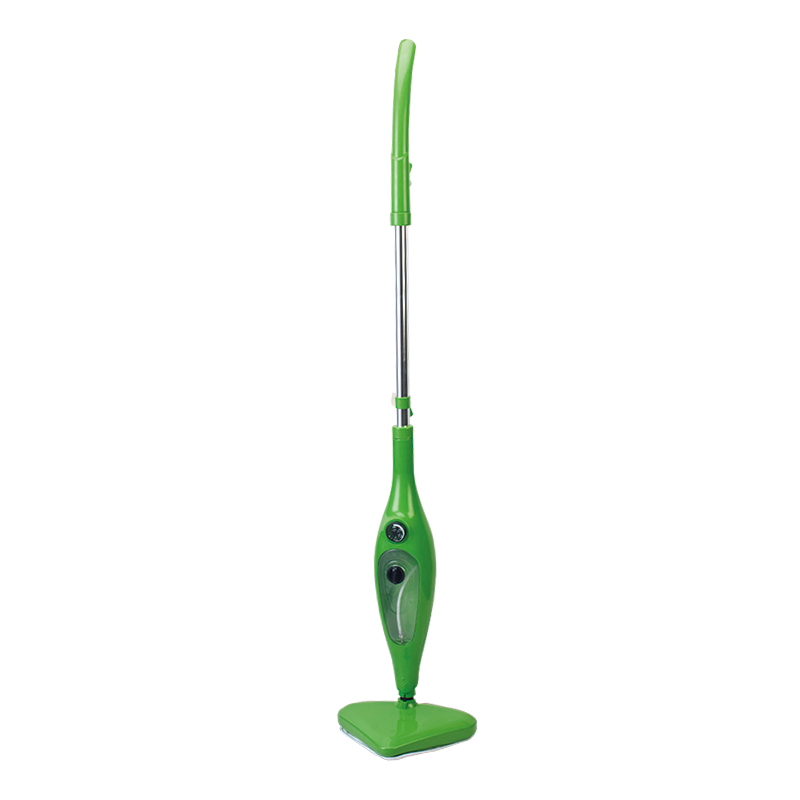
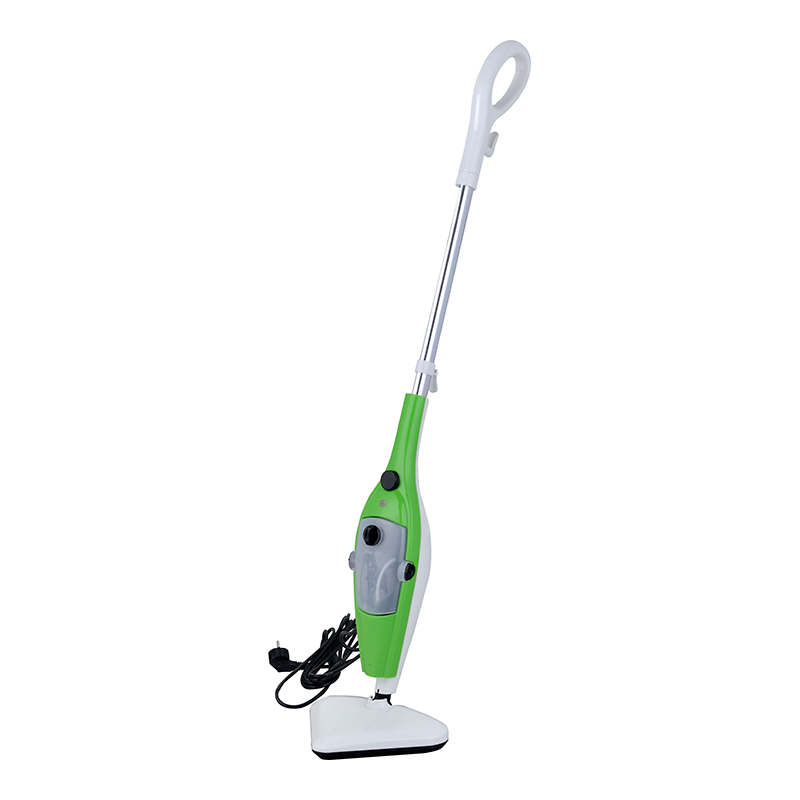
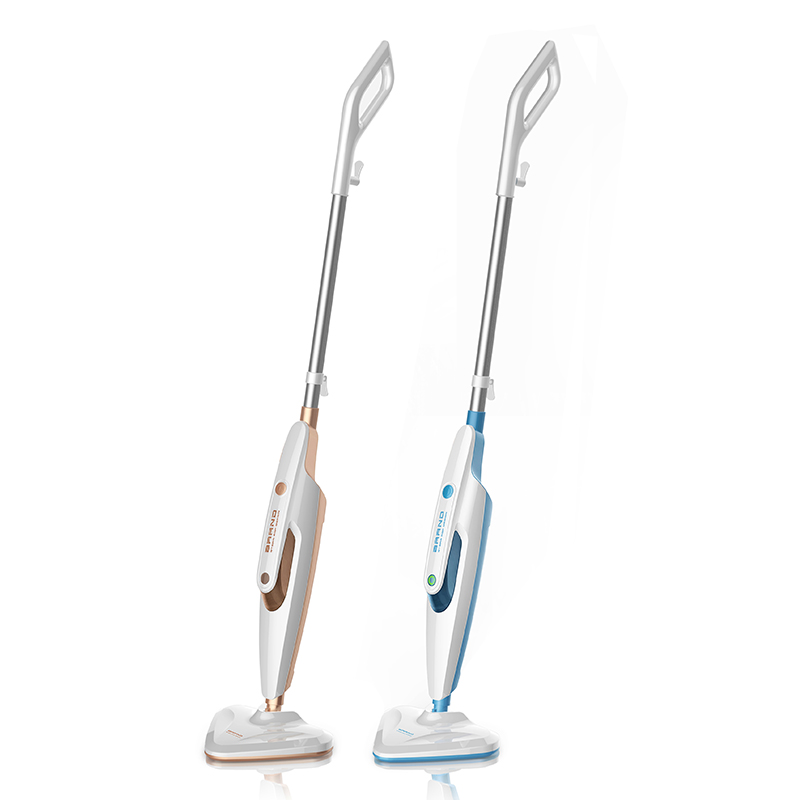
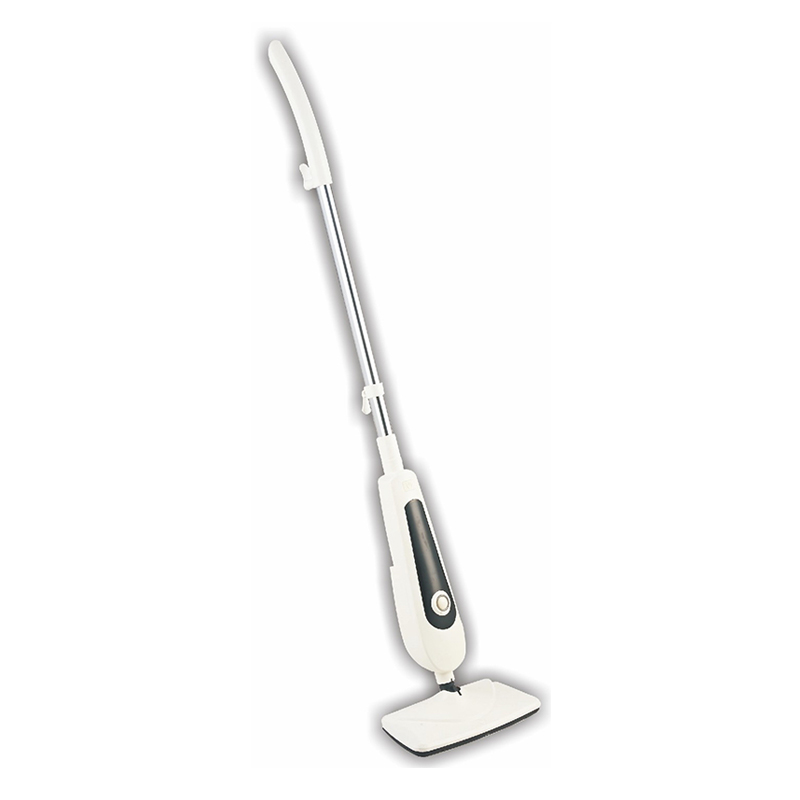
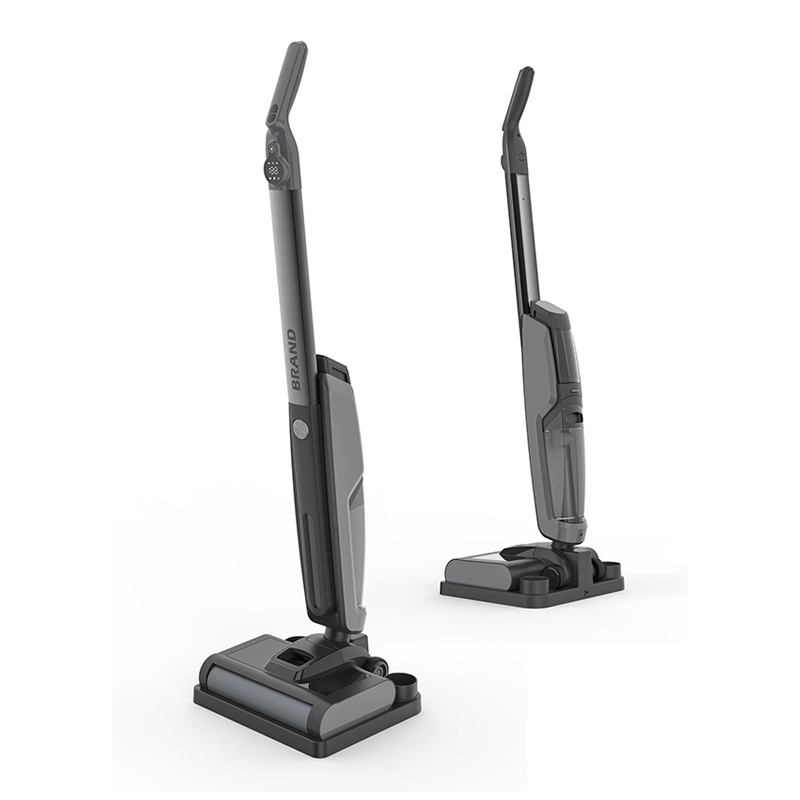
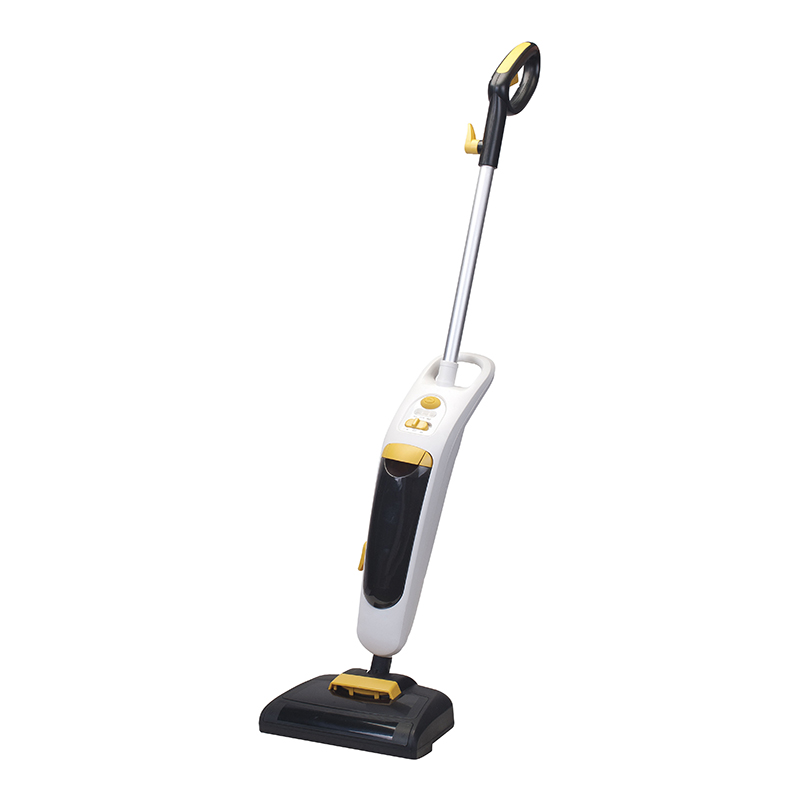
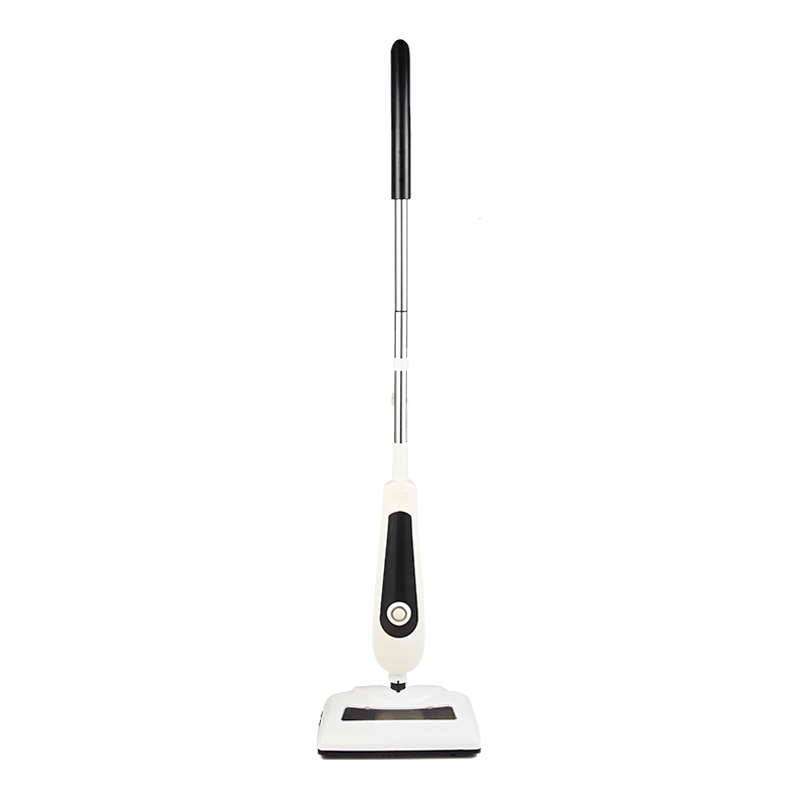
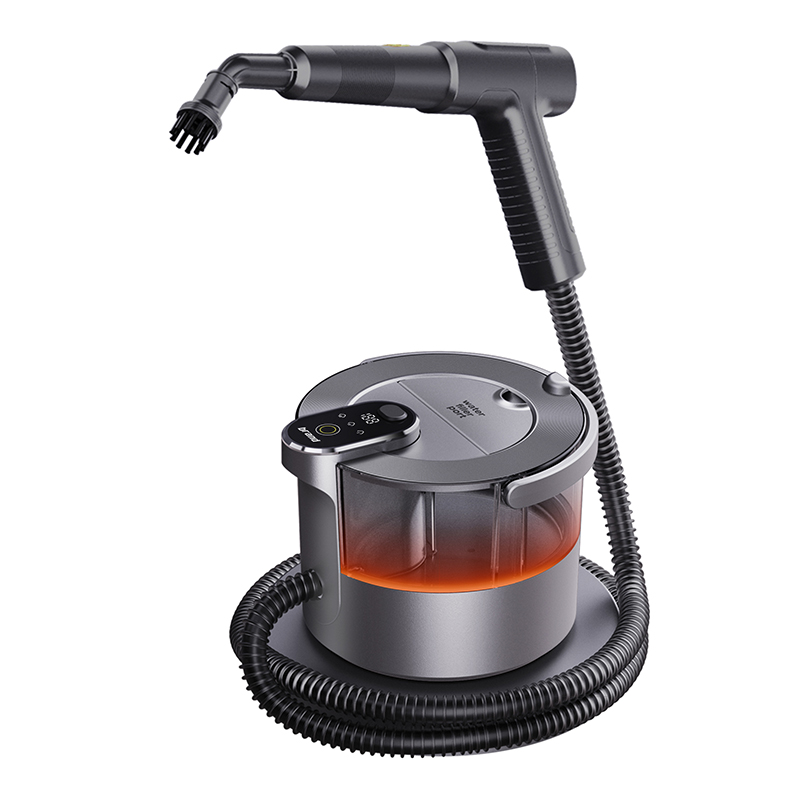
Steam Mop, Floor Washer and Steam Mop and Sweeper: Which Floor Cleaner Should You Source For most h...
READ MORE
Steam Cleaning Appliances Supplier
Introduction to Products
Ningbo Yuexiang Electric Appliance Co., Ltd.
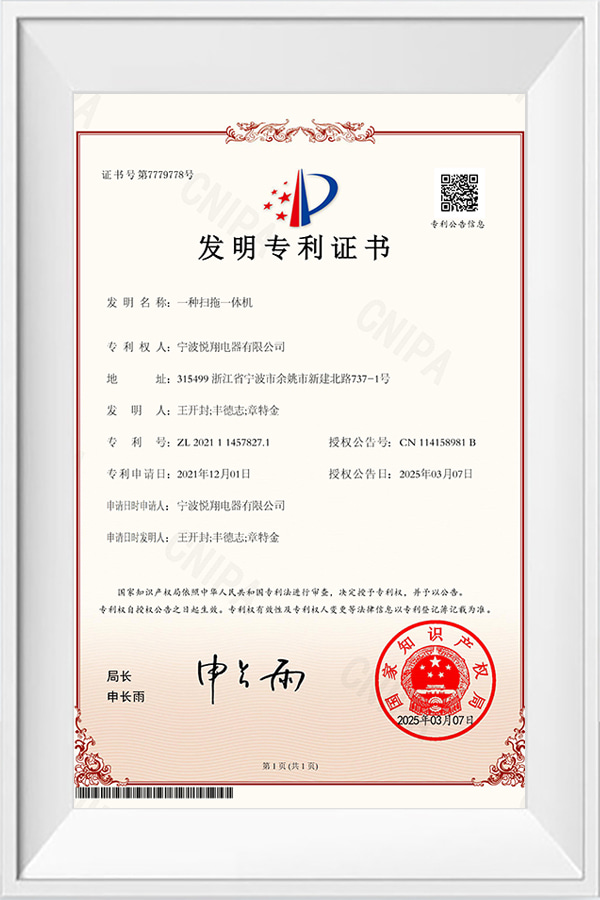
Founded in 2008, Ningbo Yuexiang Electric Appliance Co., Ltd. is specializing in home cleaning appliances for both oversea and home markets. Our company is located in Wanyang (Henghe) Entrepreneurial City, Henghe Town, Cixi City, Ningbo, China. We have our own mould making shop supported by experienced technical engineers, injection machines, products assembly lines.
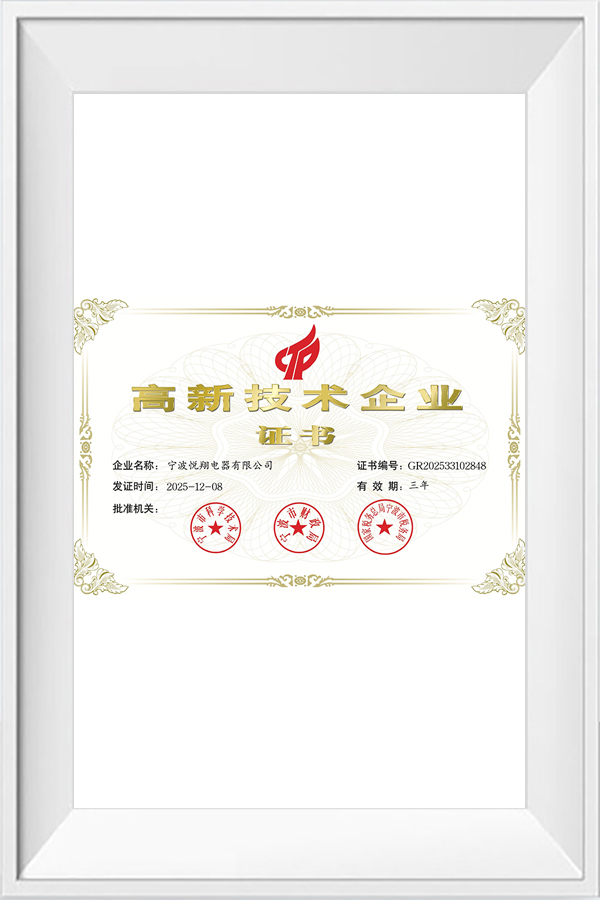
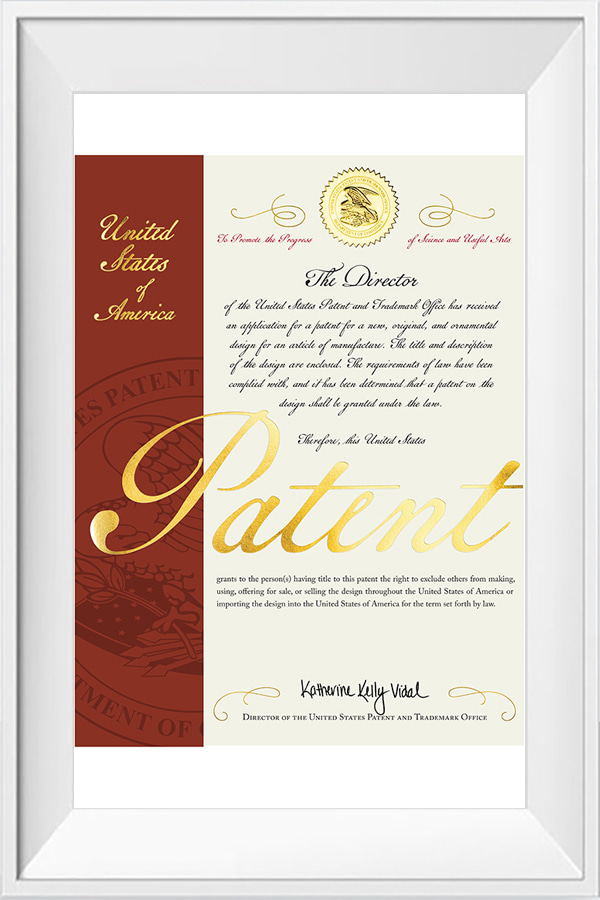
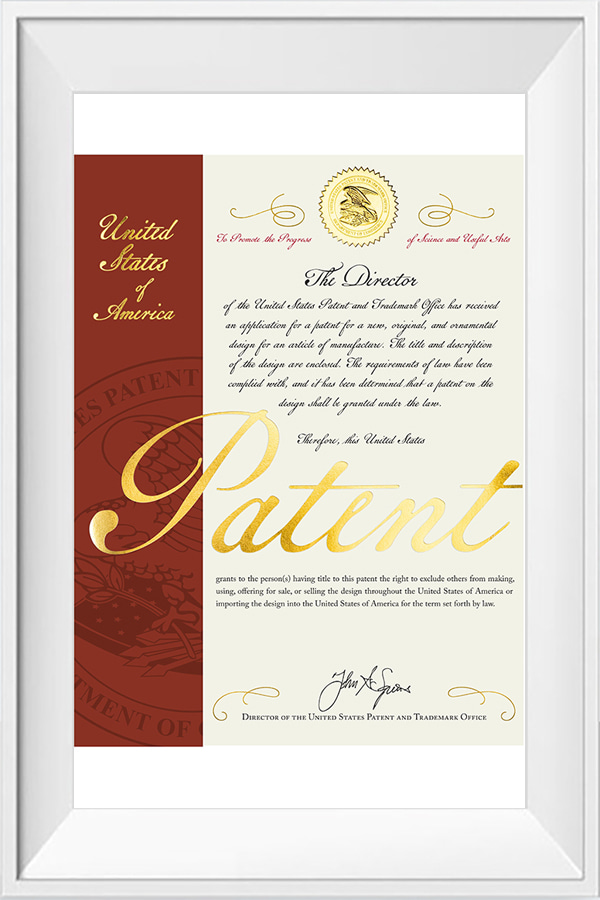
Ningbo Yuexiang Electric Appliance Co., Ltd. is a China Steam Cleaning Appliances Supplierand Custom Cleaning Appliances Exporter, we are mainly manufacturing Steam Mop, Steam Cleaner, Steam and Sweeper, Pet Electrical Appliances, Neck Massager, etc. With the mission to deliver high quality products, good services with competitive prices, we have a wide range of customers all over the world, Products are exported to Europe, the United States and Southeast Asia, more than 30 countries and regions. High praise from our customers are received. Our products have passed concerned safety certification as GS, CE, Rohs, FCC, UL, PSE, SAA etc.
Owing to high-quality products and superb services, we have been well accepted by our business partners. We are looking forward to having you as our enhanced customers and will appreciate your inquires. Your OEM and ODM are welcome always.
-
-
China Multifunctional Steam Mop Factory: A Buyer's Guide to Steam, Floor and Pet Cleaning Products ...
READ MORE -
China Steam Mop and Steam Cleaner Supplier: What Buyers Should Decide First Imagine a retailer buil...
READ MORE -
China Home Cleaning Appliances Manufacturer: What to Settle Before You Send an Inquiry Picture an i...
READ MORE -
We will attend the Canton Fair ( 140th CHINA IMPORT AND EXPORT FAIR ) , hereby sincerely invite you ...
READ MORE -
A pet grooming vacuum cleaner is a device that combines a vacuum cleaner with pet grooming tools (su...
READ MORE
1. Steam Cleaning Appliances and Home Cleaning Products at a Glance
Steam cleaning appliances use heated water vapor to loosen grease, dust and residue from floors, kitchen surfaces, upholstery and bathroom fixtures. Because the cleaning action relies mainly on hot vapor and light mechanical contact, many households and commercial buyers choose these products for routine surface care with little or no detergent. A reliable China steam cleaning appliances supplier usually covers several product forms, including steam mops, handheld steam cleaners, and combined steam and sweeper units, so that retailers and importers can build a balanced range from one source.
The category also reaches beyond floor care. Home cleaning products now include pet grooming and care devices, personal massage products and other small household electrics that share the same plastic injection, motor, heating and electronic control technology. For buyers who plan a long term catalog, working with a China home cleaning products exporter that handles molds, assembly and packaging in one workflow shortens communication and keeps product details consistent from the first sample to the final shipment.
This page explains how steam cleaning appliances work, which types are common, how they compare, how to select them for different markets, how maintenance affects service life, and how custom projects are organized. The content is written for importers, distributors, e-commerce sellers and brand owners who need clear technical and commercial information before they request samples.
2. Working Principle of Steam Cleaning Appliances
(1) Water Heating and Vapor Generation
A water tank feeds a small boiler or a flash heating chamber. The heating element raises the water temperature until vapor forms, and a pump or gravity feed controls how much water enters the chamber. Flash heating units produce vapor within roughly half a minute to a minute, while larger boiler designs hold more water and support longer cleaning sessions. A thermal fuse and temperature sensor limit the heater temperature, which protects the housing and the user during normal operation.
(2) Vapor Delivery and Contact Surface
The vapor travels through a hose or an internal channel to a cleaning head. On a steam mop, the vapor passes through a microfiber pad that holds moisture against the floor and wipes loosened soil at the same time. On a handheld unit, the vapor leaves through a nozzle that accepts brushes, squeegees and extension tools, so the user can direct heat to grout lines, faucet bases or oven doors.
(3) Dwell Time and Surface Response
Heat softens grease and dried residue, and the moisture helps lift particles from small surface pores. The result depends on contact time, pad condition and surface material. Sealed tile and sealed hard floors respond well to steady passes, while delicate finishes need shorter contact and a lower steam setting. These differences explain why product design, steam control and accessory choice matter as much as tank size.
3. Common Types and Their Characteristics
The table below summarizes the product forms most often requested by distributors and online sellers. Each form serves a different cleaning pattern, so a mixed assortment covers a wider range of customer needs than a single model.
| Product Type | Primary Use | Design Features |
|---|---|---|
| Steam Mop | Daily floor care | Upright body, removable tank, washable microfiber pads, adjustable steam levels |
| Handheld Steam Cleaner | Spot cleaning, kitchen and bathroom detail work | Compact body, hose or nozzle, brush and squeegee accessories |
| Steam and Sweeper Unit | Dry debris pickup and steam wiping in one pass | Rolling brush, dust bin, steam module, combined floor head |
| Multi Function Steam Cleaner | Whole home cleaning with different tools | Larger boiler, long hose, floor head, nozzle set, garment tool |
(1) Surface Suitability by Appliance Form
The chart shows a reference rating used for product planning, not a laboratory measurement. Sealed hard floors and ceramic tile sit at the top because the flat surface lets the pad stay in full contact with the floor. Kitchen grease areas and glass receive a middle rating since they often call for a handheld tool or a squeegee in addition to a mop head. Thick carpet receives the lowest rating because vapor and a flat pad cannot reach deep fibers evenly. Buyers who serve markets with mostly hard flooring, such as tile in Southeast Asia or laminate and wood in Europe, can use this view to decide how much of the assortment should be steam mops versus handheld units.
4. Application Scenes and Selection Points
(1) Typical Application Scenes
- Family homes: weekly floor cleaning, kitchen counters, bathroom tiles and sofa surfaces.
- Homes with pets: hair and paw marks on hard floors, where a steam and sweeper unit collects dry debris first.
- Rental and hospitality rooms: quick turnover cleaning with limited chemical use.
- Small shops and offices: entrance floors, pantry areas and glass partitions.
(2) Key Selection Points
Tank capacity, heating time, steam output control, cord length, pad design and accessory range are the main specification items that importers compare. Tank capacity affects how long a user can clean before refilling. Heating time affects how quickly the product becomes ready. Steam level control allows safer work on sensitive floors. Cord length and body weight influence comfort in larger rooms.
The line chart presents reference values that help explain how tank capacity and steam level work together. At a standard steam level, run time rises in steady steps as the tank grows from 300 ml to 500 ml. At a high steam level, the same tank empties faster, so the dashed line stays below the solid line at every point. Actual figures depend on heater power, pump design and ambient temperature, so each model needs its own test record. Importers can use this relationship when they write product descriptions, because a buyer who cleans a small apartment needs a different tank size than a buyer who cleans a large open floor plan. A China cleaning appliances custom project often starts from this kind of target run time, and the engineering team then adjusts tank volume and heater output to match it.
5. Detailed Comparison of Steam Mops, Handheld Cleaners and Steam and Sweeper Units
Each product form has a different balance of coverage, portability and tool range. The radar chart compares three common forms across five factors using a reference scale from 1 to 5.
The steam and sweeper unit reaches the outer edge on floor coverage and run time, since it combines dry pickup with steam wiping and often carries a larger tank. The handheld cleaner reaches the outer edge on portability, tool variety and storage, which suits small tasks and tight spaces. The steam mop sits between the two and offers a balanced profile for general floor care. These ratings are reference values for assortment planning and do not replace the test data of a specific model. A retailer who wants to serve different customer groups can place one model from each form in the line, so that every shopper finds a product that matches the cleaning pattern at home. A supplier that manufactures all three forms in the same factory can also align appearance, packaging and accessory sizes across the range.
(1) Practical Case: Mixed Flooring Household
A household with tile in the kitchen, laminate in the living room and a glass shower screen in the bathroom benefits from a steam mop for the large floors and a handheld unit for the shower screen and grout. A combined steam and sweeper unit reduces the number of passes when pets shed hair on the living room floor. This pairing approach is common in online bundles, where two complementary products are sold under one listing.
6. Custom Development Process for Buyers
Brand owners who search for a China cleaning appliances custom partner usually need support in several areas: product structure, exterior design, packaging, instruction manuals and market specific plugs. A factory with its own mould shop can adjust tooling after sample review without waiting for an outside vendor, which keeps the schedule easier to manage.
(1) Project Steps
- Requirement brief: target market, tank size, power range, accessories and color scheme.
- Design and drawing: exterior concept, 3D structure and parts layout.
- Mould making: tooling for housings, tanks and accessories.
- Sample and testing: injection trial, assembly, function and durability checks.
- Assembly line trial: process review and packing test.
- Mass production and shipment: scheduled output, inspection and export packing.
The column chart shows a typical timeline for a new housing design, and the numbers are planning references rather than fixed commitments. Mould making takes the longest stage because steel work, polishing and fitting require careful control. The design stage and the sample stage each take about two weeks, which leaves time for review and revision. The requirement brief is the shortest stage, but it has the largest effect on the rest of the schedule, since unclear targets cause repeated changes later. Projects that reuse existing molds and only change color, logo or accessories move faster than projects with a new body structure. Buyers who prepare a clear brief and confirm samples promptly help the whole process stay on track.
7. Maintenance Guidance for Longer Service Life
Regular care reduces scale build up in the boiler, keeps the pad in good condition and protects seals and hoses. Distributors can include a short maintenance card in the carton, which lowers the number of after sales questions.
| Task | Frequency | Purpose |
|---|---|---|
| Empty the tank after use | Each use | Reduces standing water and mineral deposits |
| Wash microfiber pads | After each cleaning session | Keeps wiping performance consistent |
| Descale the tank and nozzle | Monthly, or as water hardness requires | Maintains steady steam flow |
| Inspect cord, hose and seals | Every few months | Identifies wear before it affects operation |
(1) Water Quality Notes
Hard water leaves mineral scale on the heating surface and narrows the steam path. Users in hard water regions can use filtered or softened water as recommended in the product manual. Product designers can also add a removable scale cartridge or a wide tank opening to make descaling easier.
8. Working with Ningbo Yuexiang as a China Supplier and Exporter
Ningbo Yuexiang Electric Appliance Co., Ltd. was founded in 2008 and focuses on home cleaning appliances for overseas and domestic markets. The company is located in Wanyang (Henghe) Entrepreneurial City, Henghe Town, Cixi City, Ningbo. Its main products include steam mops, steam cleaners, steam and sweeper units, pet electrical appliances and neck massagers.
The factory operates its own mould making shop supported by technical engineers, together with injection machines and product assembly lines. This setup lets one team follow a product from tooling to final packing, which is useful for buyers who need consistent parts and a clear production record. As a China steam cleaning appliances supplier and a China home cleaning products exporter, the company ships to Europe, the United States and Southeast Asia, covering more than 30 countries and regions. OEM and ODM cooperation is welcome, and buyers can discuss housing shape, tank size, accessory sets, color schemes and packaging in the early stage of a project.
(1) Points to Confirm Before Placing an Order
- Target market, plug type and voltage requirements.
- Tank capacity, steam levels and accessory list.
- Logo, color and carton design for private label programs.
- Sample approval steps, production schedule and shipping method.
9. Frequently Asked Questions
(1) What products does a China steam cleaning appliances supplier usually offer?
The usual range includes steam mops, handheld steam cleaners, steam and sweeper units and multi function steam cleaners. Some suppliers also make related home appliances such as pet care devices and personal massage products.
(2) Can the products be customized for a private brand?
Yes. OEM and ODM projects can cover logo, color, accessories, packaging and manual content. Projects with a new housing structure also include mould development and sample testing.
(3) Which surfaces are suitable for steam mops?
Sealed hard floors and ceramic tile are the most common surfaces. Users should check the floor manufacturer instructions before cleaning wood, laminate or vinyl, and should use a lower steam level on sensitive finishes.
(4) How can scale build up be reduced?
Emptying the tank after each use, using filtered water in hard water areas and following the descaling steps in the manual all help keep the steam path clear.
(5) Which markets does a China home cleaning products exporter serve?
Ningbo Yuexiang supplies customers in Europe, the United States and Southeast Asia, and the product range is adapted to local plug types and packaging needs for these regions.
(6) What information should be prepared before sending an inquiry?
A short brief with target market, product type, tank size, accessory list, branding needs and expected order quantity helps the sales and engineering teams respond with a clear proposal and a sample plan.

- CONTACT INFORMATION
-
-
 +86-574-23889768
+86-15867411256
Got questions? Call us 24/7 -
 sales@nbyuexiang.com
Contact us now for a quote -
 Building 10, Wanyang (Henghe) Entrepreneurial City, Henghe Town, Cixi City, Ningbo,China(P.C.:315318)
-
- GET TOUCH
Copyright ©
Ningbo Yuexiang Electric Appliance Co., Ltd.
All Rights Reserved.
Steam Cleaning Appliances Supplier
Custom Cleaning Appliances Exporter
