
 English
 русский

Steam Mop, Floor Washer and Steam Mop and Sweeper: Which Floor Cleaner Should You Source For most hard-floor households, a steam mop is the right starting product, a multifunctional steam mop suits users who want one machine for several jobs, and a floor washer suits homes where wet spills and sticky messes are the da...
READ MORE
Fast Heat Up Steam Cleaner Supplier
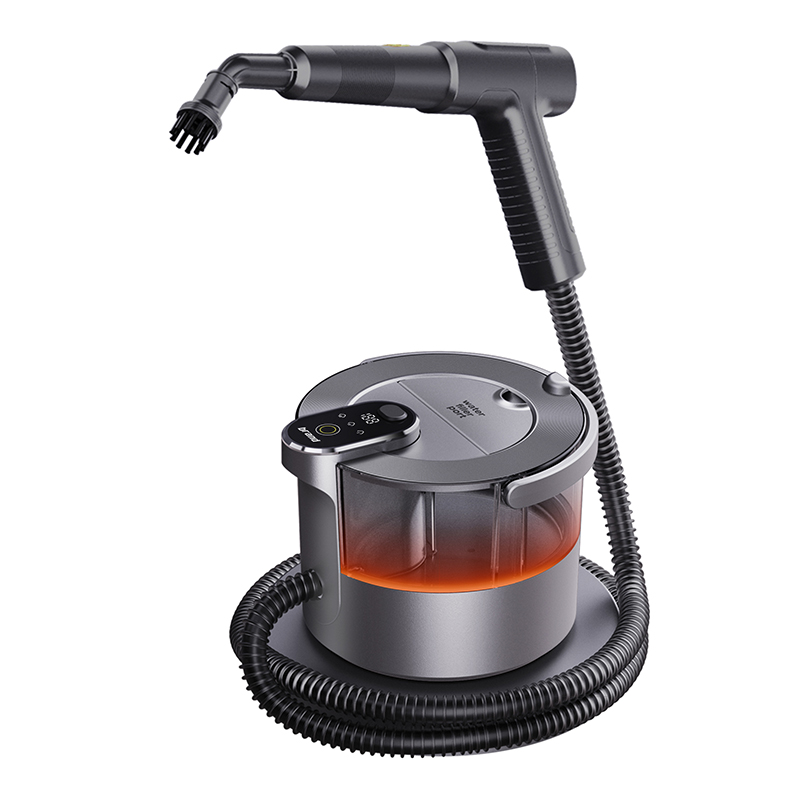
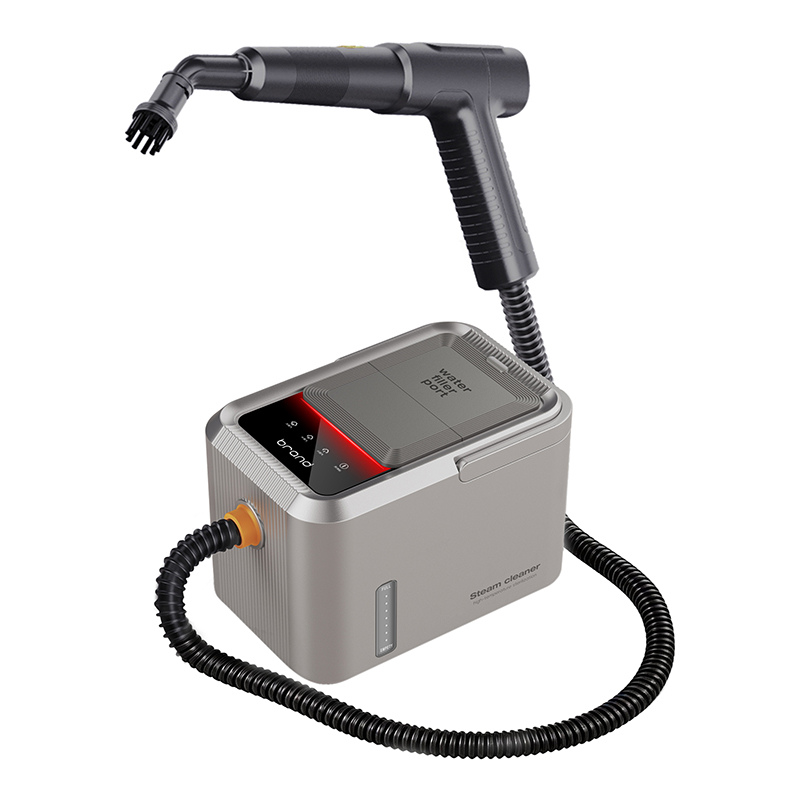
Introduction to Fast Heat-up Handheld Steam Cleaner
A fast heat-up handheld steam cleaner is a compact, portable cleaning device that delivers rapid steam generation for quick, on-the-spot sanitization and stain removal. Unlike bulkier floor-standing models, these lightweight units are designed for maneuverability and convenience, typically reaching operating temperature in 30 seconds or less so users can start cleaning almost immediately.Fast heat-up handheld steam cleaners come with a variety of specialized attachments including jet nozzles, brass brushes, squeegees, fabric steamers, and extension hoses, enabling them to tackle hard-to-reach areas and diverse surfaces such as kitchen countertops, bathroom tiles and grout, window tracks, upholstery, car interiors, and even clothing. Their small size and lightweight build make them ideal for spot cleaning, tackling stubborn grease or limescale, and sanitizing tight spaces where larger cleaners cannot reach.The fast heat-up handheld steam cleaner serves as a versatile tool across many environments: it handles quick household cleaning and targeted home cleaning for daily messes, efficient office cleaning for workstation touch-ups, convenient hotel cleaning in the hospitality industry, precise hospital cleaning in healthcare facilities, and flexible commercial cleaning for professional cleaning teams. It also proves useful in childcare and daycare facilities, rapid restaurant and food service cleaning, spot gym and fitness center maintenance, and detail-oriented school and education facility cleaning, offering a fast, chemical-free solution for targeted sanitization and hard-to-reach area cleaning.
Ningbo Yuexiang Electric Appliance Co., Ltd.
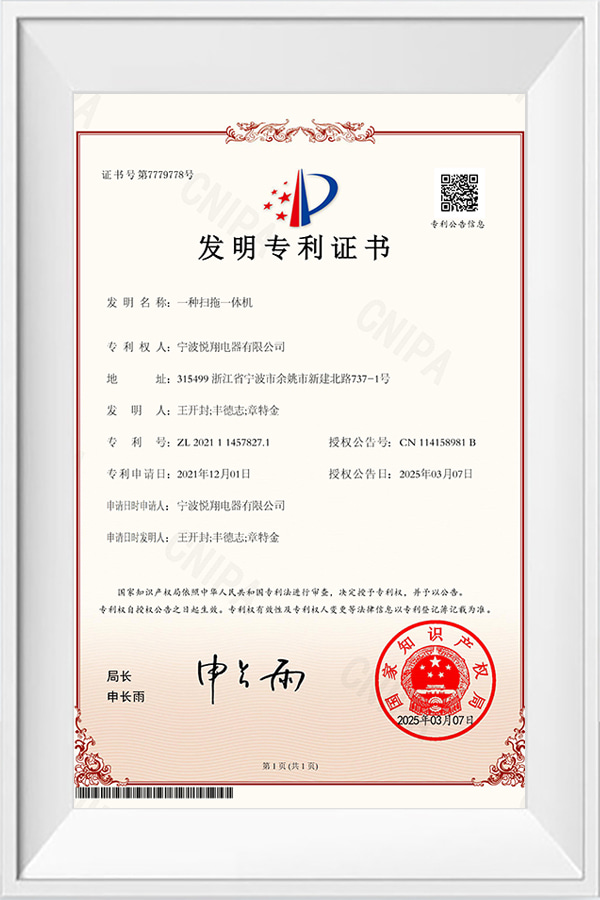
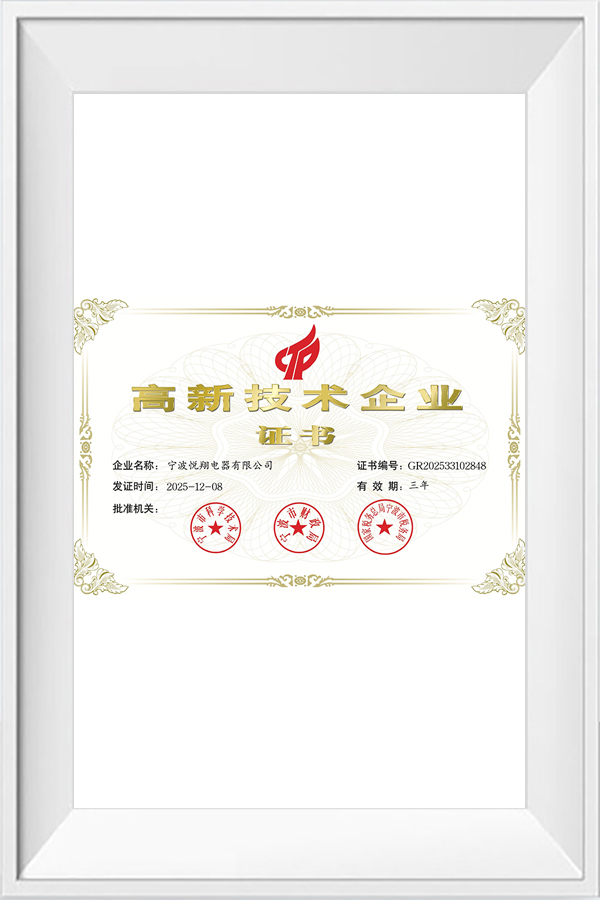
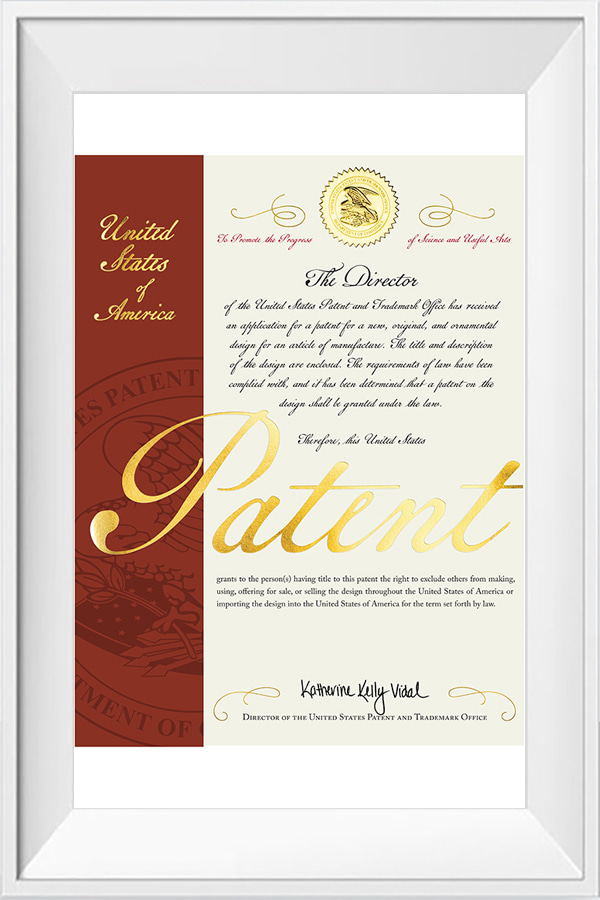
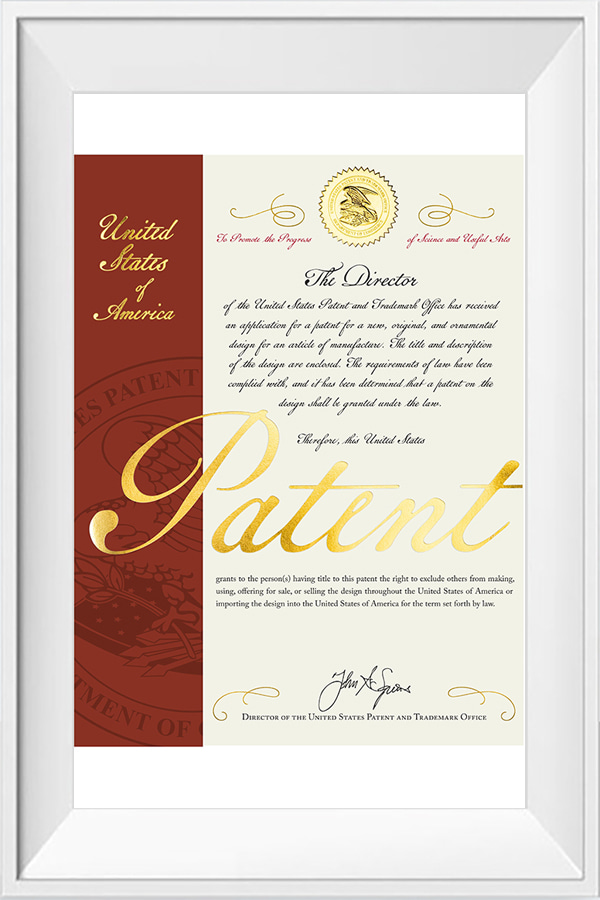
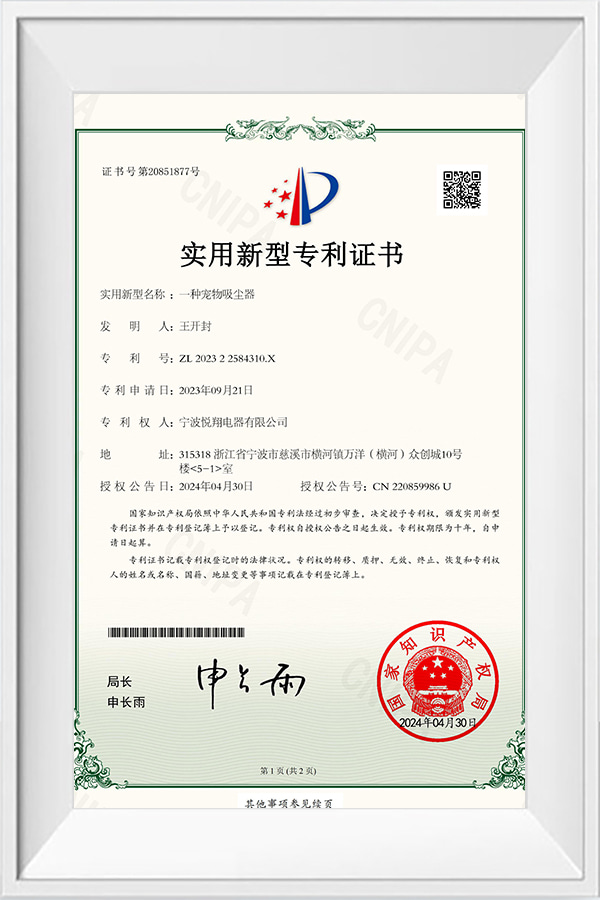
Founded in 2008, Ningbo Yuexiang Electric Appliance Co., Ltd. is specializing in home cleaning appliances for both oversea and home markets. Our company is located in Wanyang (Henghe) Entrepreneurial City, Henghe Town, Cixi City, Ningbo, China. We have our own mould making shop supported by experienced technical engineers, injection machines, products assembly lines.
Ningbo Yuexiang Electric Appliance Co., Ltd. is a China Fast Heat Up Steam Cleaner Supplierand OEM/ODM Fast Heat Up Steam Cleaner Factory, we are mainly manufacturing Steam Mop, Steam Cleaner, Steam and Sweeper, Pet Electrical Appliances, Neck Massager, etc. With the mission to deliver high quality products, good services with competitive prices, we have a wide range of customers all over the world, Products are exported to Europe, the United States and Southeast Asia, more than 30 countries and regions. High praise from our customers are received. Our products have passed concerned safety certification as GS, CE, Rohs, FCC, UL, PSE, SAA etc.
Owing to high-quality products and superb services, we have been well accepted by our business partners. We are looking forward to having you as our enhanced customers and will appreciate your inquires. Your OEM and ODM are welcome always.
-
-
China Multifunctional Steam Mop Factory: A Buyer's Guide to Steam, Floor and Pet Cleaning Products Picture a distributor who needs one mixed container: a multifunctional steam mop, a steam mop and sweeper combo, a portable steam cleaner, a pet hair vacuum and a mini neck massager. Sourcing those five items from five f...
READ MORE -
China Steam Mop and Steam Cleaner Supplier: What Buyers Should Decide First Imagine a retailer building a home care catalogue who asks three factories for samples of a steam mop, a handheld steam cleaner and a neck massager. Three replies arrive in three different formats, with different voltage notes, different acces...
READ MORE
1. What Fast Heating Means in a Steam Cleaner
A steam cleaner turns water into hot steam and directs it through a nozzle onto a surface. Heat loosens grease, softens dried residue and lifts light soil without a bottle of chemical spray. The waiting time before steam is ready shapes how people feel about the product. A unit that reaches working steam quickly gets used for a quick spot clean, while a slow unit often stays in the cupboard.
Buyers who search for a China fast heat up steam cleaner factory want a supplier that understands this link between heat-up behavior and daily use. Importers, brand owners and distributors need a product that is ready soon after power-on, holds steady steam during a task and stays easy to refill. This guide covers the working principle, heating designs, types, attachments and OEM planning for fast heating models.
(1) Tasks a Steam Cleaner Handles
- Tile joints, sinks, faucets and shower screens in the bathroom
- Stove tops, oven doors and kitchen hoods
- Glass, mirrors and window frames with a squeegee tool
- Sofas, mattresses and curtains with a cloth cover
(2) Why Heat-Up Speed Matters to Brands
Product pages and packaging usually lead with how quickly a machine is ready. A clear, honest statement of heat-up behavior helps a customer compare options and sets the right expectation. For a brand, a fast heating line also supports a simple story: grab the unit, switch it on and start cleaning.
2. Working Principle and Main Parts
Water moves from a tank into a heating chamber, where an electric element raises its temperature until steam forms. The steam leaves through a hose or a short channel and reaches a nozzle fitted with a tool. A control circuit watches temperature, and a cut-off device stops heating if the reading rises too far. A safety cap on the tank keeps the pressurized section closed during use.
(1) Heating Chamber and Element
The chamber shape and the element layout decide how quickly water reaches steam temperature. A small chamber with a close-fitting element heats a limited volume fast. A larger chamber stores more hot water and supports longer sessions but needs more time to start.
(2) Control and Protection Parts
A thermostat, a thermal cut-off, a pressure relief path and a child-resistant cap work together. A ready indicator tells the user when steam is available. These parts decide whether the machine feels predictable and secure during daily use.
| Part | Role | Link to Heat-Up |
|---|---|---|
| Water tank | Stores water | Volume heated at one time |
| Heating element | Produces heat | Power and contact area |
| Heating chamber | Forms steam | Size and shape |
| Thermal cut-off | Limits temperature | Keeps rapid heating controlled |
| Nozzle and tools | Direct steam to the surface | Outlet size affects flow |
3. Understanding Heat-Up Behavior
Heat-up time is the stretch between power-on and steady working steam. Two machines with the same tank size can behave very differently, depending on chamber design and element power. The curve chart below compares an illustrative fast heating design with a standard tank design.
The curves use an illustrative index and do not show measured data from any specific model. Both designs start at the same low point and climb toward a steady level. The fast heating design rises sharply in the early period and crosses the working level earlier, since it heats a small volume of water at a time. The standard tank design climbs more gradually, because it brings a larger reservoir to temperature before steam is released. After both curves pass the working level they flatten, which reflects stable steam during use. A factory can confirm the actual heat-up behavior of each model through its own test records.
(1) Heat-Up Design Classes
The gauge divides heat-up behavior into four design classes: rapid, quick, standard and extended. These classes are a planning aid and not a fixed specification. The needle points to the rapid class, which is the target for a fast heating model in this example. Buyers can use the gauge during early talks to describe how quickly they expect a unit to be ready. The engineering team can then match element power, chamber size and tank volume to that target. A clear target at the start reduces later changes and helps the final model fit its sales story.
4. Heating Designs Compared
Fast heating trades some traits for others. A design that starts quickly usually holds a smaller amount of water, which affects run time and refill habits. The tornado chart below puts a standard tank design and a fast heating design side by side on five buyer-facing traits.
The tornado chart is built from illustrative indexes and does not report test results. Warm-up speed shows the widest gap, which is the main reason to choose a fast heating design. The standard tank design leads on continuous run time, since its larger reservoir supports longer sessions without a refill. The fast heating design scores higher on refill convenience and light body, because a smaller tank is quick to fill and easy to carry. Scale management is close between the two, as water quality and care habits matter more than chamber layout. Buyers can read the chart to decide which side matters most to their customers.
| Design | Best For | Strength | Point to Consider |
|---|---|---|---|
| Fast heating | Spot cleaning and short tasks | Ready soon after power-on | Smaller tank, shorter run |
| Standard tank | Long sessions | Steady steam for longer | Longer wait at start |
5. Types, Attachments and Selection Points
Steam cleaners come in handheld and canister formats. A handheld unit has a short body with a nozzle at the front and suits quick jobs and small spaces. A canister unit pairs a larger tank base with a hose and a wand, which gives more reach and longer sessions. Both formats can use fast heating designs, with tank size and weight adjusted to the target customer.
(1) Attachment Use in Daily Cleaning
The waffle chart shows an illustrative split of attachment use and does not report survey data. The nozzle for tile and grout takes the largest share, since bathrooms and kitchens are the most common places for steam cleaning. The brush for stains follows, as it works on stove tops, sinks and sealed furniture. The cloth cover for fabric and the squeegee for glass hold smaller but steady shares. Other tools, such as extension jets, fill the remaining squares. A buyer can use this split to decide which attachments belong in the standard carton and which can be sold as extra items.
(2) Selection Checklist
- Decide between handheld and canister formats for the target customer.
- Set the heat-up class that matches the sales message.
- Choose tank volume to balance run time against weight.
- Confirm the attachment set, hose length and cord length.
- Confirm voltage, plug type, manual language and carton format for the destination.
6. Production at a Ningbo Steam Cleaner Factory
Ningbo Yuexiang Electric Appliance Co., Ltd. was founded in 2008 and specializes in home cleaning appliances for overseas and domestic markets. The factory is located in Wanyang (Henghe) Entrepreneurial City, Henghe Town, Cixi City, Ningbo. Its main products include steam mops, steam cleaners, steam and sweeper models, pet electrical appliances and neck massagers, shipped to Europe, the United States and Southeast Asia across more than 30 countries and regions.
For a China fast heat up steam cleaner factory, control over parts and assembly matters. Yuexiang operates its own mould making shop with experienced technical engineers, together with injection machines and product assembly lines. Tank bodies, housings, handles and tool holders are plastic parts, so in-house tooling and molding give a project team direct control over fit and finish. Steam cleaners are part of the regular range, which means the team already works with heating, sealing and cut-off parts every day.
(1) What In-House Tooling Offers
When a buyer asks for a new tank shape, a different grip or a modified tool holder, the mould team can adjust the tool without waiting for an outside shop. Trial parts come from injection machines on site, and engineers can test fit on the same line. This short loop is useful for private label programs, where small structural changes are common.
7. Planning a Fast Heating Steam Cleaner OEM Project
A China fast heating steam cleaner OEM project starts with a clear brief. The buyer describes the target customer, the preferred format and the heat-up class, and the engineering team proposes a chamber layout, element power and tank volume. ODM routes begin with an existing platform that the buyer adapts, while OEM routes follow the buyer's own drawings.
(1) Points to Define Early
- Format, either handheld or canister, and the tank volume
- Heat-up class, steam level options and ready indicator style
- Attachment set, hose length and cord length
- Color, logo, manual language and carton art
(2) How the Steps Follow
- Brief review and structure proposal.
- Industrial design and drawing approval.
- Mould making and trial parts in the in-house shop.
- Sample assembly, heat-up checks and revision.
- Pilot batch, packaging approval and mass production.
8. Care and Maintenance Guidance
Good care keeps a fast heating steam cleaner working at its intended pace. Brands can place these points in the manual or on a card inside the carton.
(1) Water and Scale
Mineral scale forms on heating surfaces, most quickly in hard water regions. Scale slows heat transfer and can lengthen the wait before steam appears. Using the water type advised in the manual, emptying the tank after use and following the descaling routine for the model keep the heating path in good condition.
(2) Tools and Storage
- Let the unit cool and release pressure before opening the safety cap.
- Wash cloth covers and let brushes dry before storage.
- Check seals, the hose and the cord for wear at regular intervals.
- Keep the unit out of reach of children and store it in a dry place.
9. Frequently Asked Questions
(1) What does fast heating mean for a steam cleaner?
It describes a design that reaches working steam soon after power-on, usually through a compact heating chamber and a well-matched element. Actual heat-up behavior depends on the model and should be confirmed through factory test records.
(2) What surfaces suit a steam cleaner?
Sealed tile, grout, stainless steel, glass and many sealed household surfaces are common. Users should read the care notes of each surface and test a small hidden area first.
(3) How do handheld and canister formats differ?
A handheld unit is compact and suits short tasks. A canister unit has a larger tank base and a hose with a wand, which supports longer sessions and wider reach.
(4) What should a buyer prepare for an OEM inquiry?
Share the target market, voltage and plug type, preferred format, tank volume, heat-up class, attachment list, packaging style and expected order volume. A complete brief shortens the first round of talks.
(5) Can color, logo and tools be customized?
Yes. Color, logo, attachment set, manual language and carton art are common customization points. Structural changes can be discussed at the design stage with the engineering team.
(6) Does the factory supply other home cleaning products?
Ningbo Yuexiang also manufactures steam mops, steam and sweeper models, pet electrical appliances and neck massagers, so a buyer can discuss several lines in one project. OEM and ODM inquiries are welcome.

- CONTACT INFORMATION
-
-
 +86-574-23889768
+86-15867411256
Got questions? Call us 24/7 -
 sales@nbyuexiang.com
Contact us now for a quote -
 Building 10, Wanyang (Henghe) Entrepreneurial City, Henghe Town, Cixi City, Ningbo,China(P.C.:315318)
-
- GET TOUCH
Copyright ©
Ningbo Yuexiang Electric Appliance Co., Ltd.
All Rights Reserved.
Fast Heat Up Steam Cleaner Supplier
OEM/ODM Fast Heat Up Steam Cleaner Factory
