
 English
 русский

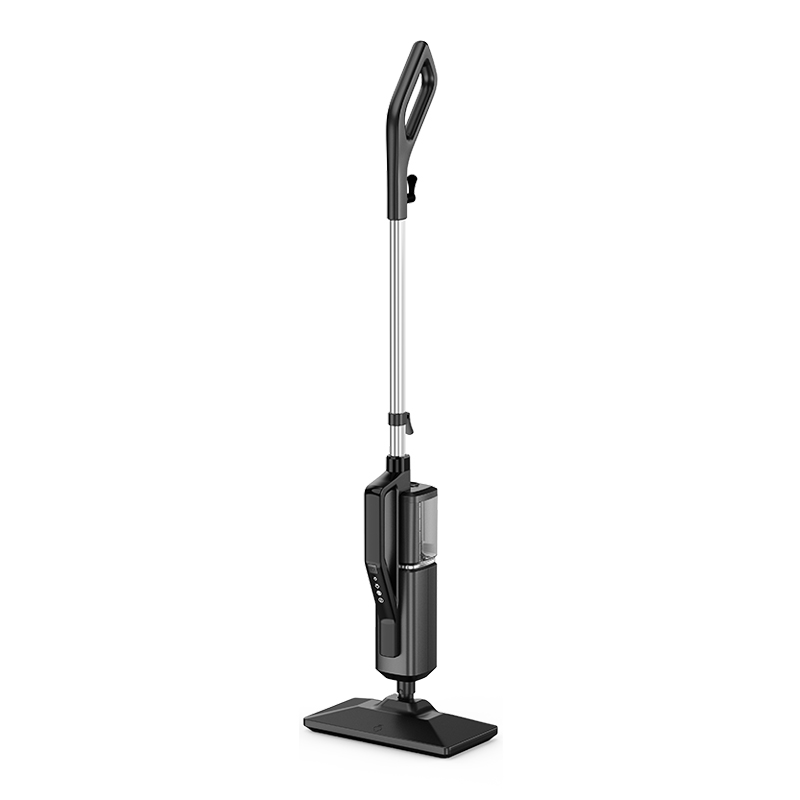
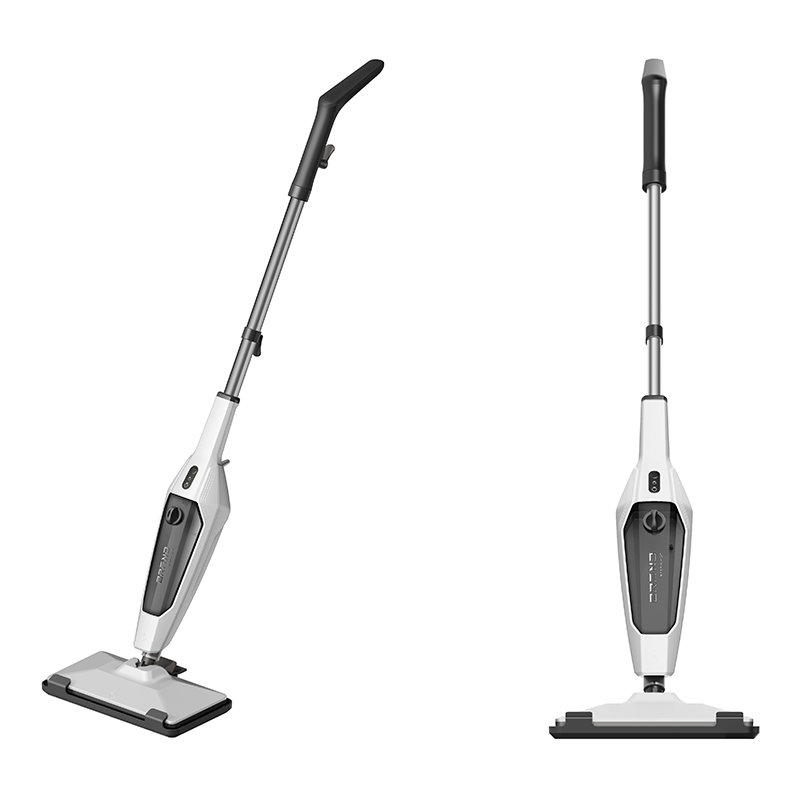
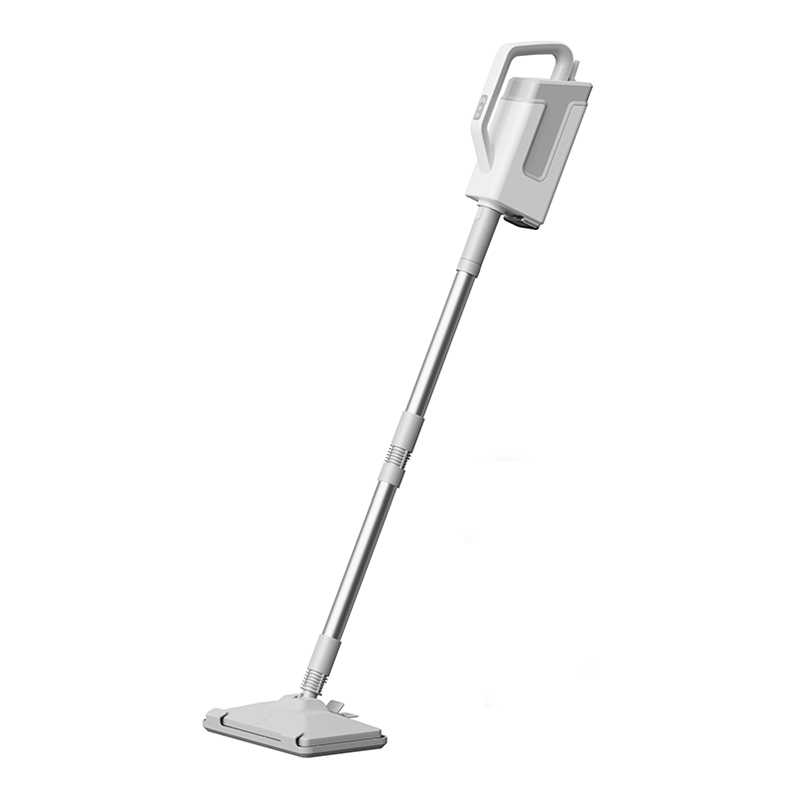
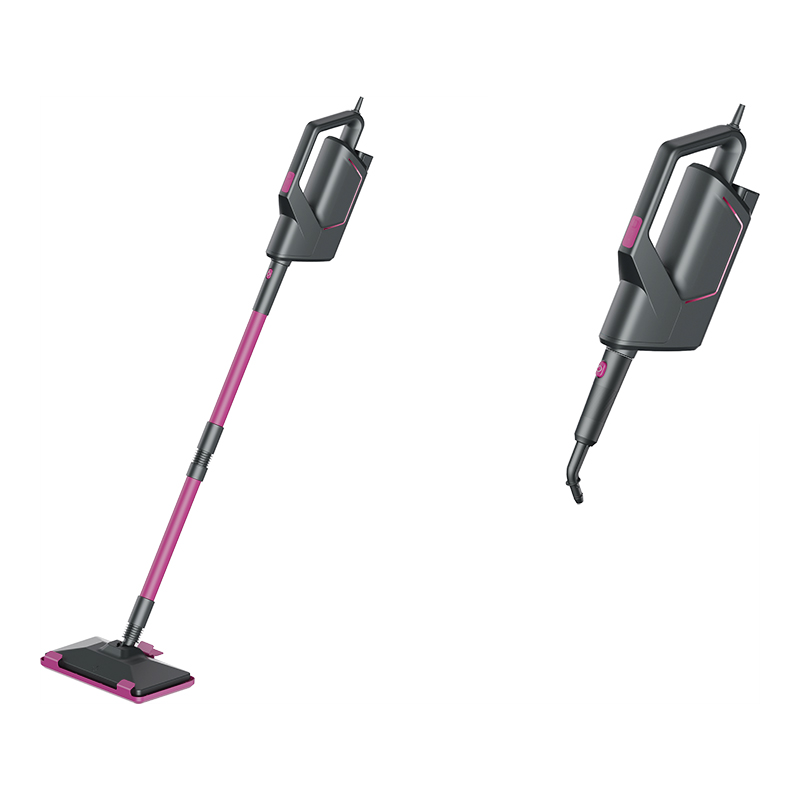
Steam Mop, Floor Washer and Steam Mop and Sweeper: Which Floor Cleaner Should You Source For most hard-floor households, a steam mop is the right starting product, a multifunctional steam mop suits users who want one machine for several jobs, and a floor washer suits homes where wet spills and sticky messes are the da...
READ MORE
Multifunctional Steam Mop Supplier
Introduction to Multifunctional Steam Mop
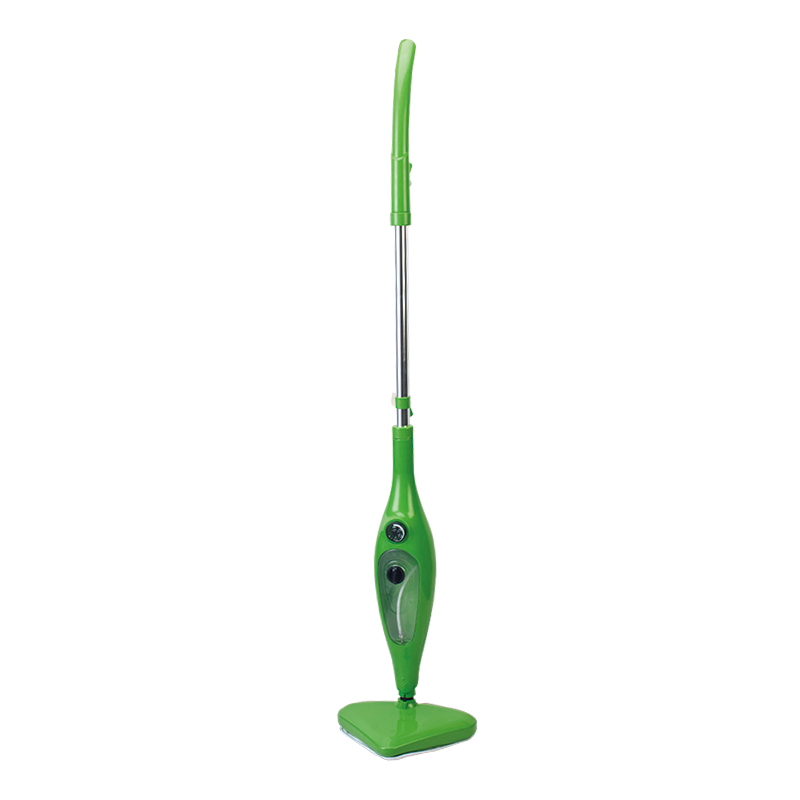
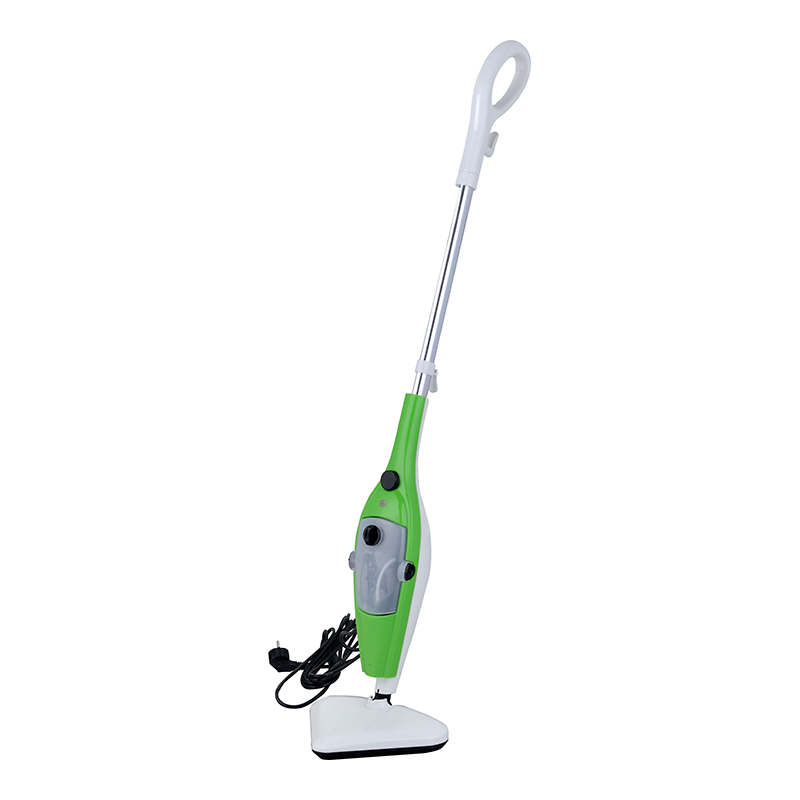
A multifunctional steam mop is an innovative cleaning appliance that combines the power of high-temperature steam with the convenience of a traditional mop, delivering chemical-free sanitization and deep cleaning across various surfaces. By heating water to produce pressurized steam, these devices eliminate up to 99.9% of bacteria, germs, and viruses while dissolving grease, stains, and grime. Steam Mop Cleaner with Detachable Handheld Steamer for Cleaning Hardwood, Laminate Floor, Tiles and Grout, with 14-in-1 Multi-purpose Accessories and Washable Microfiber Pads
Multifunctional steam mops typically feature convertible designs that transform from upright floor cleaners into handheld steamers, accompanied by a range of attachments such as microfiber pads, scrub brushes, window squeegees, and grout cleaners. This versatility allows them to clean hardwood floors, tiles, carpets, countertops, bathroom fixtures, and even upholstery with a single device.
The multifunctional steam mop serves diverse applications across multiple sectors: it is ideal for household cleaning and home cleaning in residential settings, office cleaning for workplace hygiene, hotel cleaning within the hospitality industry, hospital cleaning in healthcare facilities, and commercial cleaning for professional cleaning services. Additional applications include childcare and daycare facilities, restaurant and food service cleaning, gym and fitness center maintenance, and school and education facility cleaning, where sanitation and chemical-free solutions are essential for maintaining safe, healthy environments.
Ningbo Yuexiang Electric Appliance Co., Ltd.
Founded in 2008, Ningbo Yuexiang Electric Appliance Co., Ltd. is specializing in home cleaning appliances for both oversea and home markets. Our company is located in Wanyang (Henghe) Entrepreneurial City, Henghe Town, Cixi City, Ningbo, China. We have our own mould making shop supported by experienced technical engineers, injection machines, products assembly lines.
Ningbo Yuexiang Electric Appliance Co., Ltd. is a China Multifunctional Steam Mop Supplierand OEM/ODM Multifunctional Steam Mop Factory, we are mainly manufacturing Steam Mop, Steam Cleaner, Steam and Sweeper, Pet Electrical Appliances, Neck Massager, etc. With the mission to deliver high quality products, good services with competitive prices, we have a wide range of customers all over the world, Products are exported to Europe, the United States and Southeast Asia, more than 30 countries and regions. High praise from our customers are received. Our products have passed concerned safety certification as GS, CE, Rohs, FCC, UL, PSE, SAA etc.
Owing to high-quality products and superb services, we have been well accepted by our business partners. We are looking forward to having you as our enhanced customers and will appreciate your inquires. Your OEM and ODM are welcome always.
-
-
China Multifunctional Steam Mop Factory: A Buyer's Guide to Steam, Floor and Pet Cleaning Products Picture a distributor who needs one mixed container: a multifunctional steam mop, a steam mop and sweeper combo, a portable steam cleaner, a pet hair vacuum and a mini neck massager. Sourcing those five items from five f...
READ MORE -
China Steam Mop and Steam Cleaner Supplier: What Buyers Should Decide First Imagine a retailer building a home care catalogue who asks three factories for samples of a steam mop, a handheld steam cleaner and a neck massager. Three replies arrive in three different formats, with different voltage notes, different acces...
READ MORE
1. What a Multifunctional Steam Mop Does for Export Buyers
A multifunctional steam mop turns tap water into hot steam and delivers it through interchangeable heads. One body can clean sealed hard floors, tile grout, kitchen surfaces, glass, curtains and upholstery. For importers, distributors and retail brands, that range of uses makes one model suitable for several customer groups, which simplifies range planning and reduces the number of separate items in a catalog.
Buyers who search for a China multifunctional steam mop factory usually want more than a product photo. They look for stable steam output, a safe housing design, consistent assembly and a team that can adapt a model to a local market. This guide explains how the product works, which types exist, how to choose between them and what a sound OEM project looks like.
(1) Core Function Set
- Floor cleaning with a flat microfiber pad head
- Handheld mode for grout lines, stove tops, sinks and bathroom fittings
- Garment and curtain steaming with a fabric attachment
- Glass and mirror cleaning with a squeegee tool
(2) Why Buyers Source from China
Small household appliance production in China is concentrated in regions where mould makers, plastic injection shops, heating element suppliers and assembly lines sit close together. That proximity shortens the path from a sample request to a tested pilot batch. A multifunctional steam mop manufacturer with in-house tooling can also revise a part quickly after a buyer comments on a prototype.
2. Working Principle and Main Components
The principle is simple. Water moves from a removable tank into a heating chamber, where an electric element raises it to steam. The steam travels through a hose or an internal channel to the nozzle in the mop head, passes into a damp pad and releases heat onto the surface. Heat softens residue, and the pad lifts the loosened dirt.
(1) Heating and Steam Generation
Two heating designs are common. A flash heating design heats a small volume of water as it passes the element, so steam appears soon after the switch is turned on. A boiler design heats a larger reservoir and holds a steadier steam flow during long sessions. Each approach suits a different cleaning pattern, and the choice affects warm-up time, weight and cost of parts.
(2) Control and Protection Parts
A thermal cut-off, a pressure relief path and a dry-heating guard protect the user and the appliance. A steam level switch lets the operator reduce output on delicate floors. These small parts decide how safe and consistent the product feels in daily use, so a careful factory checks them at assembly and again at final inspection.
| Component | Function | Design Focus |
|---|---|---|
| Water tank | Stores water for steam | Easy refill and sealed cap |
| Heating element | Converts water to steam | Even heat and scale resistance |
| Mop head | Spreads steam across the floor | Swivel joint and pad fit |
| Attachments | Extend use to other surfaces | Quick-connect fitting |
| Safety cut-off | Limits temperature rise | Reliable response in testing |
3. Common Types and Their Features
Steam mops in this category fall into three broad groups. Upright models focus on large floor areas. Handheld-convertible models split into a floor unit and a portable steamer. Combined steam and sweeper models add a dry pickup function for crumbs and dust before steam is applied. A distributor can pick one group to match the cleaning habits of the target market.
(1) Upright Multifunctional Model
The upright model carries a larger tank and a wider head, which suits open rooms and longer sessions. The body is heavier than a convertible unit, so handle angle and weight balance matter for comfort.
(2) Handheld-Convertible Model
This model detaches the steam unit from the floor frame. The same unit then handles stair edges, car interiors, sofa seams and kitchen hoods. It stores in a smaller space, which helps apartment users.
This radar chart compares the two designs on five buyer-facing traits using an illustrative planning index, not measured test data. The upright model reaches further on floor coverage and run time because of its larger tank and wider head. The handheld-convertible model leads on portability and storage ease, since the detachable unit is light and compact. Versatility is close between the two, as both accept a similar range of attachments. A buyer serving large homes may lean toward the upright shape, while a buyer serving apartments may favor the convertible shape. Many importers carry both in one range so that each customer finds a fitting size.
| Type | Typical Use | Main Strength | Point to Consider |
|---|---|---|---|
| Upright | Large rooms | Longer steady steam | Heavier body |
| Handheld-convertible | Mixed surfaces | Portable steamer | Smaller tank |
| Steam and sweeper | Dusty hard floors | Dry and wet cleaning in one pass | More parts to maintain |
4. Application Scenarios and Selection Points
Steam cleaning works best on sealed surfaces such as ceramic tile, vinyl, sealed stone and finished wood approved for moisture. It is used in family homes, rental apartments, small offices, hotel rooms and pet households. Surfaces that react to heat or water, such as unsealed timber or some laminate, call for the lowest steam setting or a different cleaning method.
(1) Selection Checklist
- Define the target floor types and the average room size of the end user.
- Choose between flash heating and a boiler design based on session length.
- Review the attachment set and confirm each tool has a clear daily use.
- Check tank capacity, cord length and storage footprint for the target market.
- Confirm voltage, plug type and packaging format for the destination country.
(2) Heating Design and Warm-Up
The column chart shows a relative warm-up time index for four heating designs, drawn as a planning reference and not as laboratory data. Flash heating sits lowest because only a small amount of water is heated at once. Compact and standard boiler designs take longer, since they bring a reservoir up to working temperature before steam is released. The large tank boiler takes the longest to start but can sustain steam through a full cleaning session. A buyer who values quick daily touch-ups may select flash heating, while a buyer who values long sessions may select a boiler design. Test reports from the factory can confirm the actual figures for each model.
5. Inside a Ningbo Steam Mop Factory
Ningbo Yuexiang Electric Appliance Co., Ltd. was founded in 2008 and focuses on home cleaning appliances for overseas and domestic markets. The company is based in Wanyang (Henghe) Entrepreneurial City, Henghe Town, Cixi City, Ningbo. Its range includes steam mops, steam cleaners, steam and sweeper models, pet electrical appliances and neck massagers. Products ship to Europe, the United States and Southeast Asia, covering more than 30 countries and regions.
A China multifunctional steam mop factory gains practical value when it controls the steps between an idea and a finished carton. Yuexiang runs its own mould making shop supported by experienced technical engineers, together with injection machines and product assembly lines. This arrangement lets one team handle housing shape, attachment fit and final assembly under a single schedule.
(1) What In-House Tooling Changes
When a buyer requests a new tank shape, a different handle grip or a modified pad plate, the mould team can adjust the tool without waiting for an outside shop. Injection and assembly teams then run trial units on the same site, so engineers can see how a change affects fit, weight and steam path. This short feedback loop is useful for both private label and custom design projects.
(2) Product Range Beyond Steam Mops
Because the company also builds steam cleaners and steam and sweeper models, a buyer can combine several cleaning items in one shipment. Related pet electrical appliances and neck massagers allow a distributor to add personal care and pet care lines through the same supplier relationship.
6. How a China Multifunctional Steam Mop OEM Project Runs
A China multifunctional steam mop OEM project turns a buyer specification into a branded product. An OEM steam mop supplier and an ODM team handle different starting points. In OEM work the buyer provides the design direction, while in ODM work the factory offers a ready platform that the buyer adapts with its own colors, logo and accessories.
(1) Typical Project Steps
- Requirement review covering target market, voltage, plug and attachment list.
- Industrial design and structure drawing with buyer feedback.
- Mould making and first trial shots in the in-house tooling shop.
- Sample assembly, function checks and revision.
- Pilot batch, packaging approval and mass production.
- Final inspection, loading and shipment planning.
The line chart sketches how an OEM project might advance over eight weeks, as a planning curve and not a fixed schedule. Early weeks move slowly because requirements, drawings and tool design need careful review. Progress speeds up once the mould is ready and trial units come off the injection machines. The curve flattens near the end while the pilot batch, packaging check and inspection are completed. Real timelines depend on the number of new parts, the attachment list and how quickly feedback is returned. Sharing a clear brief at the start is one of the simplest ways to keep the project on track.
7. How to Evaluate a Steam Mop Supplier
Choosing a custom steam mop exporter or a factory partner involves product questions and process questions. Product questions cover steam stability, safety design and attachments. Process questions cover tooling control, sample speed and communication. The chart below ranks the criteria that importers often raise during supplier review.
This horizontal bar chart uses an illustrative priority index from 0 to 100 and does not report survey results. Steam output stability ranks first because uneven steam is the most visible fault in daily use. Safety protection design follows closely, since parents and pet owners pay attention to cut-off behavior and cord handling. Attachment variety and housing build quality come next, as they affect both perceived value and long-term use. Customization flexibility matters most to brand owners who plan private label ranges. A supplier that can discuss all six points with test records and sample units gives the buyer a clear base for comparison.
(1) Questions to Ask Before Placing a Trial Order
- Which parts are made in-house and which are sourced from partners?
- How are steam output and temperature rise checked on the assembly line?
- What changes can be made to color, logo, attachments and packaging?
- How are spare parts, such as pads and tanks, supplied after the first order?
8. Maintenance Guidance for End Users
Good maintenance extends the working life of a steam mop and keeps steam output steady. Buyers can include these points in a user manual or a short care card inside the carton.
(1) Water and Scale Care
Mineral deposits build up inside the heating chamber, most quickly in hard water regions. Using the water type recommended in the manual and emptying the tank after use reduce deposits. A periodic descaling routine, following the instructions for the specific model, keeps the nozzle open and the steam path clear.
(2) Pads, Attachments and Storage
- Wash microfiber pads after each session and let them dry fully.
- Let the unit cool before removing the tank or changing a tool.
- Wipe seals and connectors and check them for wear at regular intervals.
- Wind the cord loosely and store the unit upright in a dry place.
9. Frequently Asked Questions
(1) What does a multifunctional steam mop clean besides floors?
With the right attachments it can steam tile grout, kitchen counters, bathroom fixtures, glass, curtains and sofa fabric. Users should read the care label of each surface first and test a small hidden area.
(2) What is the difference between OEM and ODM for steam mops?
OEM work builds a product to the buyer's own design and specification. ODM work starts from a platform the factory already developed, which the buyer then adapts with its brand, colors and accessory set.
(3) What information should a buyer prepare before asking for a quotation?
A clear brief should state the target market, voltage and plug type, preferred model type, attachment list, packaging style and expected order quantity. A complete brief shortens the first round of discussion.
(4) Can the color, logo and attachments be customized?
Yes, these items are common customization points. Because Ningbo Yuexiang operates its own mould shop, structural changes such as tank shape or handle form can also be discussed during the design stage.
(5) How does flash heating compare with a boiler design?
Flash heating produces steam soon after power-on and suits short cleaning tasks. A boiler design takes longer to start and supports longer sessions with a steadier flow. The better choice depends on how the end user cleans.
(6) Can one supplier cover other home cleaning products?
Ningbo Yuexiang also manufactures steam cleaners, steam and sweeper models, pet electrical appliances and neck massagers, so a buyer can discuss several product lines in one project. Inquiries for OEM and ODM cooperation are welcome.

- CONTACT INFORMATION
-
-
 +86-574-23889768
+86-15867411256
Got questions? Call us 24/7 -
 sales@nbyuexiang.com
Contact us now for a quote -
 Building 10, Wanyang (Henghe) Entrepreneurial City, Henghe Town, Cixi City, Ningbo,China(P.C.:315318)
-
- GET TOUCH
Copyright ©
Ningbo Yuexiang Electric Appliance Co., Ltd.
All Rights Reserved.
Multifunctional Steam Mop Supplier
OEM/ODM Multifunctional Steam Mop Factory
