
 English
 русский

Steam Mop, Floor Washer and Steam Mop and Sweeper: Which Floor Cleaner Should You Source For most hard-floor households, a steam mop is the right starting product, a multifunctional steam mop suits users who want one machine for several jo...
READ MORE
Steam Cleaner Manufacturer
Introduction to Steam Cleaner
A steam cleaner is a versatile cleaning device that uses high-temperature, pressurized steam to dissolve dirt, grease, and grime from various surfaces without relying on harsh chemical detergents. By heating water to temperatures typically between 105°C and 180°C, these machines produce dry steam that penetrates deep into porous materials, lifting stains and killing up to 99.9% of bacteria, germs, and dust mites on contact.
Steam cleaners come in several types to suit different needs: handheld models for quick spot cleaning and small spaces, cylinder or canister units for extended residential use with multiple attachments, and commercial-grade systems designed for heavy-duty professional applications. Common accessories include brushes, nozzles, squeegees, and fabric steamers, enabling use on hard floors, tiles, grout, carpets, upholstery, windows, and kitchen appliances.
Widely adopted across households, hospitality, healthcare facilities, automotive detailing, and food service industries, the steam cleaner delivers an eco-friendly, chemical-free cleaning solution that not only sanitizes surfaces but also reduces allergens and improves indoor air quality. Its ability to tackle both routine maintenance and deep-cleaning challenges makes it an essential tool for anyone prioritizing hygiene, sustainability, and efficiency in their cleaning routine.
Ningbo Yuexiang Electric Appliance Co., Ltd.
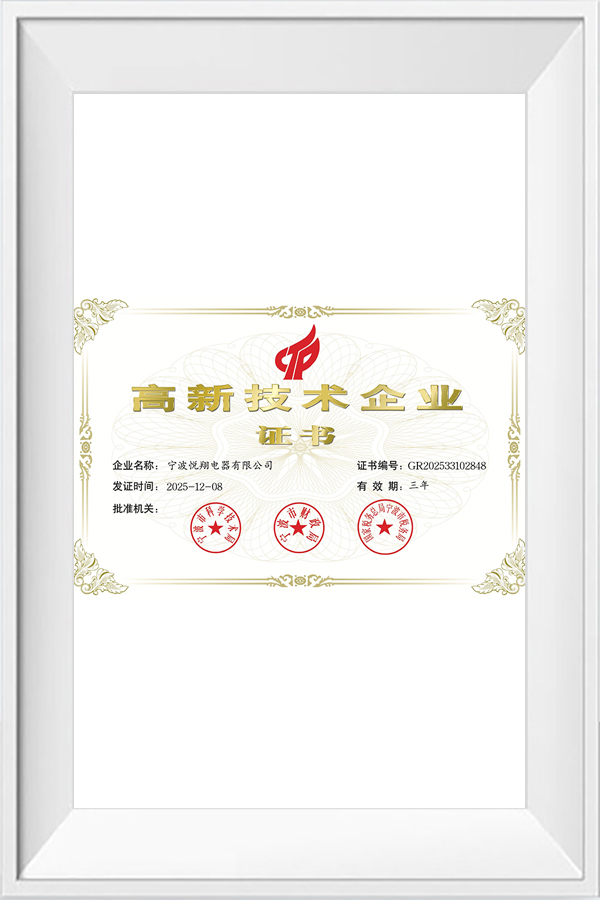
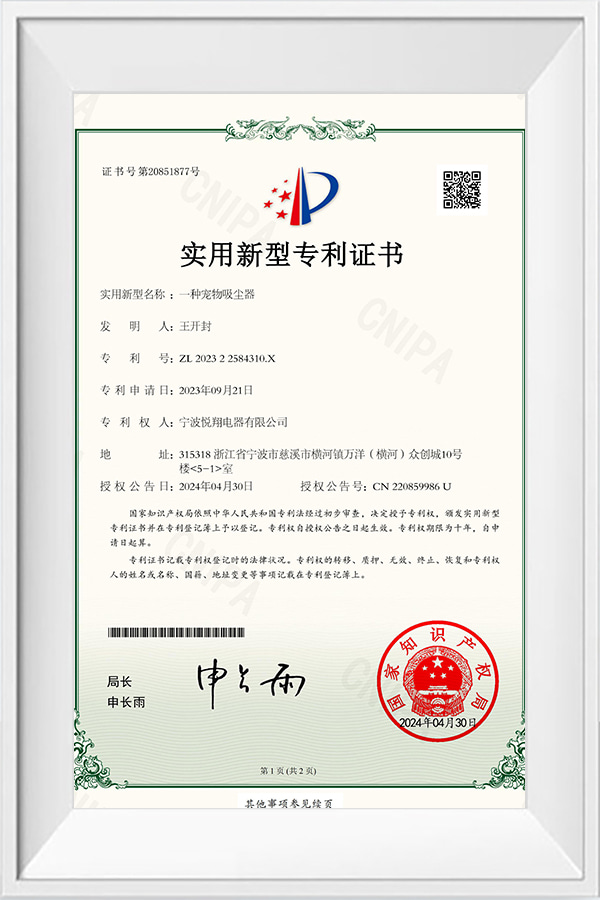
Founded in 2008, Ningbo Yuexiang Electric Appliance Co., Ltd. is specializing in home cleaning appliances for both oversea and home markets. Our company is located in Wanyang (Henghe) Entrepreneurial City, Henghe Town, Cixi City, Ningbo, China. We have our own mould making shop supported by experienced technical engineers, injection machines, products assembly lines.
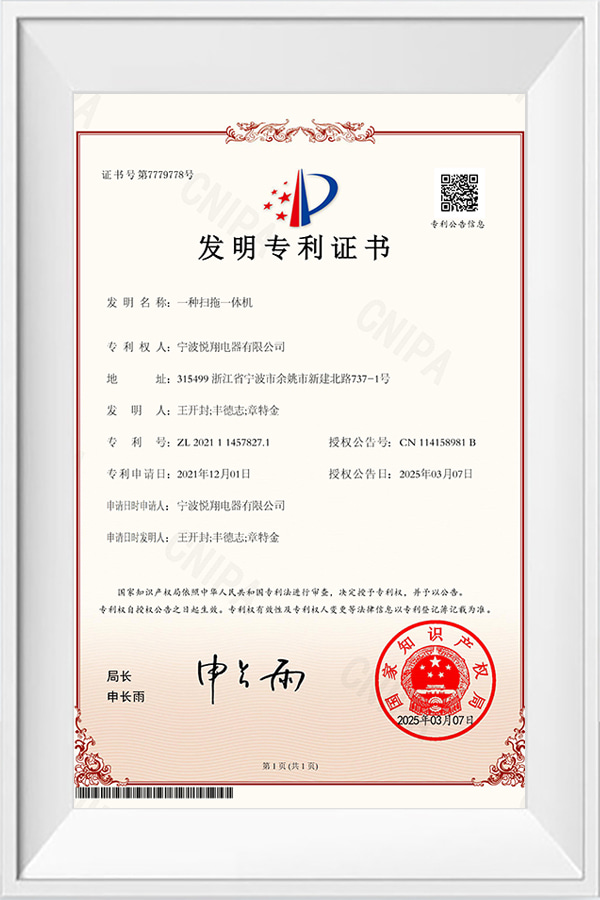
Ningbo Yuexiang Electric Appliance Co., Ltd. is a China Steam Cleaner Manufacturerand Custom Steam Cleaner Supplier, we are mainly manufacturing Steam Mop, Steam Cleaner, Steam and Sweeper, Pet Electrical Appliances, Neck Massager, etc. With the mission to deliver high quality products, good services with competitive prices, we have a wide range of customers all over the world, Products are exported to Europe, the United States and Southeast Asia, more than 30 countries and regions. High praise from our customers are received. Our products have passed concerned safety certification as GS, CE, Rohs, FCC, UL, PSE, SAA etc.
Owing to high-quality products and superb services, we have been well accepted by our business partners. We are looking forward to having you as our enhanced customers and will appreciate your inquires. Your OEM and ODM are welcome always.
-
-
China Multifunctional Steam Mop Factory: A Buyer's Guide to Steam, Floor and Pet Cleaning Products Picture a distributor who needs one mixed container: a multifunctional steam mop, a steam mop and sweeper combo, a portable steam cleaner, a...
READ MORE -
China Steam Mop and Steam Cleaner Supplier: What Buyers Should Decide First Imagine a retailer building a home care catalogue who asks three factories for samples of a steam mop, a handheld steam cleaner and a neck massager. Three replies ...
READ MORE -
China Home Cleaning Appliances Manufacturer: What to Settle Before You Send an Inquiry Picture an importer who approves a steam mop sample in spring, books a container for summer, and then discovers that the cable on the production run is ...
READ MORE
1. Steam Cleaners Beyond Floor Care
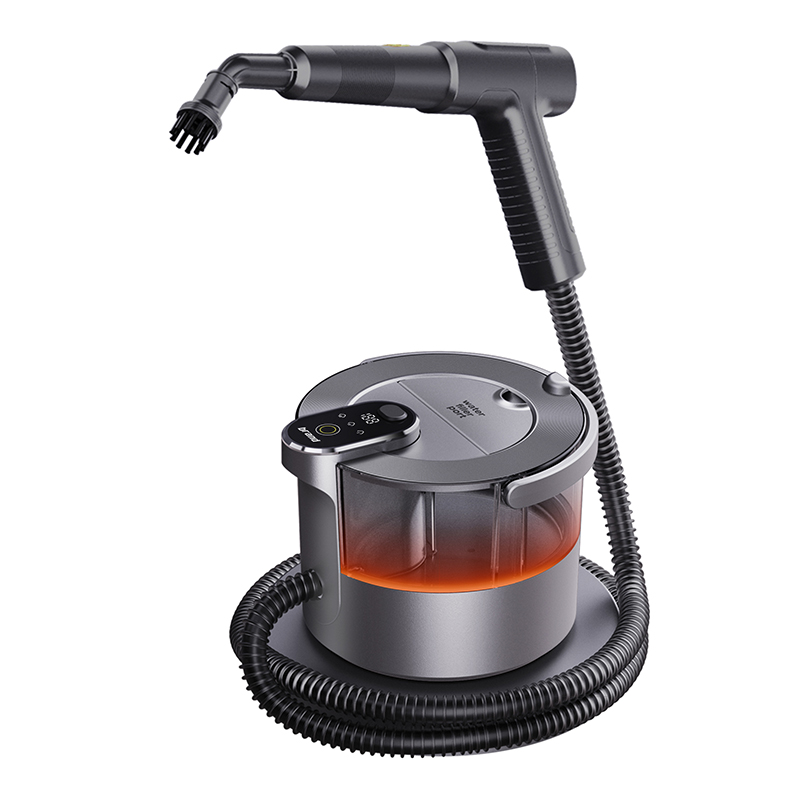
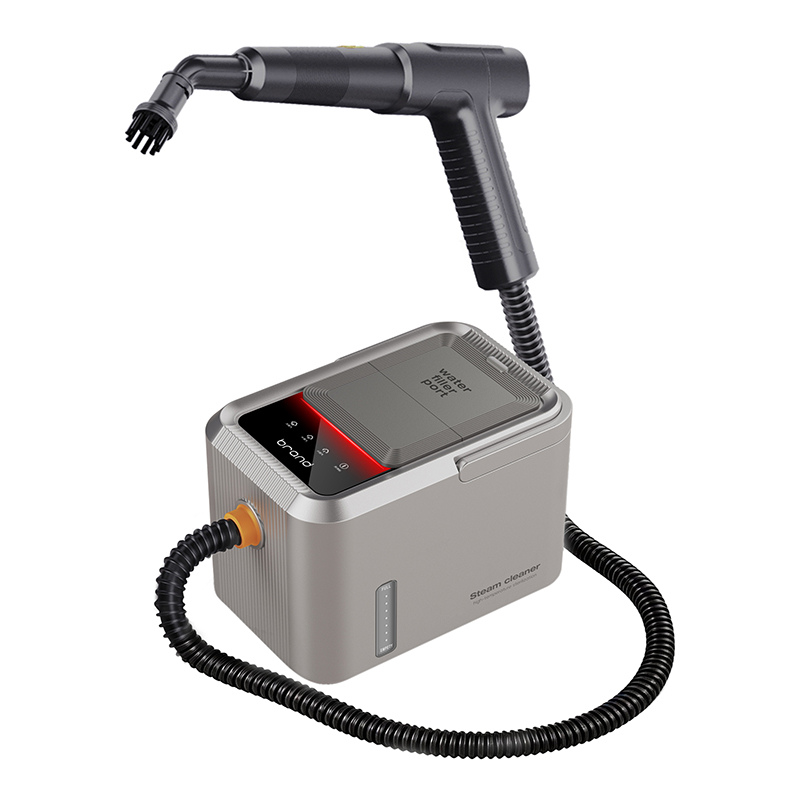
A steam cleaner heats water in a sealed boiler and releases pressurized vapor through a hose, a nozzle or a set of attachments. Unlike a floor focused steam mop, a steam cleaner is built for work on kitchens, bathrooms, windows, upholstery, curtains and vehicle interiors. The vapor reaches crevices, tile joints and hardware that a flat pad cannot touch, and the heat softens grease and dried residue so a cloth or brush can remove it with little effort.
Importers and brand owners who plan a cleaning appliance range usually add steam cleaners next to steam mops, because the two share many parts but serve different tasks. A dependable China steam cleaner manufacturer can develop both product families on common platforms for heaters, pumps, switches and housings, and a capable China steam cleaner supplier can then ship mixed container loads under one purchase plan. Brand teams that need their own design often look for a China steam cleaner ODM partner, since an ODM factory brings engineering, tooling and assembly under the same roof.
This guide explains the working principle and pressure control, the main formats, application areas, accessory selection, the ODM development path, factory checks and maintenance, so that buyers can compare options with clear technical information.
2. Working Principle and Pressure Control
(1) Boiler, Pump and Nozzle
Most pressurized steam cleaners use a metal boiler with an electric heating element. As the water temperature rises, vapor builds up inside the sealed chamber and raises the internal pressure. A control valve or trigger releases the vapor through the hose to the nozzle, where the opening size shapes the jet. A narrow jet nozzle concentrates the vapor on joints and corners, while a wider brush head spreads it over a larger area.
(2) Safety and Control Features
Because the boiler works under pressure, the design includes several control and protection parts. The table lists the features that engineers usually plan into a household steam cleaner and the purpose of each one.
| Feature | Purpose | Design Note |
|---|---|---|
| Safety cap | Keeps the filler opening closed while pressure remains | Locking structure with pressure release before opening |
| Thermal fuse | Cuts power if the heater temperature rises beyond its set range | Placed close to the heating element |
| Pressure relief valve | Releases vapor if internal pressure exceeds the design range | Tested during sample and production checks |
| Steam trigger lock | Prevents accidental release of vapor | Handle mounted switch with a lock position |
| Water level indicator | Shows when a refill is needed | Clear tank window or light signal |
3. Main Formats and How They Differ
Steam cleaners differ mainly in tank volume and portability. A small tank keeps the body light and easy to carry, while a larger tank supports longer sessions at the cost of weight and storage space. The positioning chart places four common formats on these two axes.
The handheld format sits in the upper left, with a small tank and the highest portability. Users carry it from room to room and use it on sinks, stove tops, faucets and car seats. The steam mop occupies the middle, since its tank is larger than a handheld tank but the body stays light enough for daily floor work. The canister format and the large unit move to the right, where a bigger boiler and a long hose support extended sessions on windows, tile walls and upholstery. The chart gives a qualitative view that supports assortment planning, and exact tank sizes should be taken from each product specification sheet. A buyer who builds a three step range with a handheld model, a canister model and a large unit can address entry level, family and heavy use customers within one platform.
(1) Selection Points by Format
- Handheld: suits small tasks, compact storage and travel use.
- Canister: suits whole home cleaning with a long hose and larger boiler.
- Large unit: suits workshops, rental properties and extended sessions.
4. Application Areas and Accessory Selection
(1) Where Steam Cleaners Are Used
Kitchens and bathrooms are the leading application areas, since grease, soap film and mineral deposits collect on tiles, faucets and cabinet fronts. Floors, upholstery, curtains and vehicle interiors make up the remaining tasks. The donut chart below shows an illustrative planning mix that product teams can use when they decide how many accessories to include in a set.
The chart is a planning illustration and does not come from a survey. Kitchen and bathroom tasks together take more than half of the mix, so accessories for grease, grout and glass deserve the most attention in a standard set. Floor work has its own share, which explains why many steam cleaners include a floor head and an extension tube. Upholstery and vehicle tasks form a smaller but steady group, and a fabric cover or a small brush covers most of those jobs. Product teams can shift the mix for a particular market, for example by adding more vehicle tools for regions where car care is popular. This kind of planning keeps the carton content focused and avoids accessories that most users never open.
(2) Accessory and Task Coverage
The dot matrix links each common attachment to the tasks where it is most useful. The jet nozzle and the round brush carry the load in kitchens, bathrooms and vehicle interiors, where corners and joints collect soil. The squeegee tool and the extension tube work together on glass and tile walls, so they appear as a pair in most sets. The fabric cover is the main tool for upholstery and seat surfaces, because it protects the material while spreading the vapor. Empty cells show tasks where an accessory is not typical, which helps product teams remove parts that add weight to the carton without adding value. Buyers who discuss accessory sets with an ODM factory can use this matrix as a starting point for the parts list.
5. ODM Development Path for Brand Owners
In an ODM program the factory supplies the product design and engineering, and the brand owner selects the platform, appearance and packaging. A China steam cleaner ODM project can start from an existing platform with a new exterior, or from a new concept that needs fresh tooling. Brand teams that already hold a design can choose an OEM program instead, where the factory builds to supplied drawings. Both paths follow the same basic sequence from brief to shipment.
| Work Item | OEM Program | ODM Program |
|---|---|---|
| Product concept | Supplied by the brand owner | Proposed by the factory, adjusted with the brand owner |
| Structure and electronics | Built to supplied drawings | Designed by the factory engineering team |
| Tooling | Made from the brand drawings | Made in the factory mould shop |
| Packaging and manual | Artwork from the brand owner | Artwork based on the brand guide |
(1) Reference Development Timeline
The Gantt chart shows how stages overlap in a typical new design, and the week counts are planning references rather than fixed commitments. Industrial design starts before the concept is fully closed, and electronics work begins while the exterior is still being refined. Tooling is the longest block, since steel work, polishing and fitting take several weeks for housings, tanks and handle parts. Sample testing overlaps with the end of tooling, which allows early findings to feed back into mould adjustments. The pilot run and mass production follow once the sample is approved. Projects that reuse an existing platform skip several of these blocks, and the total time shortens accordingly. Early agreement on the brief gives the most reliable control over the schedule.
6. Factory Checks Buyers Can Request
Buyers who compare a China steam cleaner manufacturer with a trading company often ask which checks the factory performs on its own line. A factory with in-house tooling, injection machines and assembly lines can inspect parts at several points and keep records by batch. The list below shows items that are commonly included in a steam cleaner inspection plan.
- Boiler seal and pressure relief valve function test.
- Heating time and steam output observation on each unit.
- Housing fit, tank seat and handle strength check.
- Hose, nozzle and accessory fit with the main body.
- Packing list review against the carton content before loading.
These checks form the basis of a clear sample report and a repeatable production routine. A buyer can ask for photos or short videos of each step during a sample stage, which makes it easier to compare options from different factories.
7. Care and Maintenance Steps
A steam cleaner keeps stable output when the boiler stays free of scale and the hose and seals remain in good condition. The steps below form a simple routine that distributors can print on a care card.
- Switch off the unit, unplug it and wait until the pressure has dropped before opening the safety cap.
- Empty remaining water after each session to reduce deposits in the boiler.
- Wipe the body with a soft damp cloth and dry the accessories before storage.
- Descale the boiler at intervals suited to local water hardness, following the product manual.
- Inspect the hose, the nozzle openings and the cap gasket, and replace worn parts.
(1) Water Choice
Hard water leaves mineral scale on the heating surface and narrows the nozzle path. Filtered or softened water, as allowed by the manual, slows this build up and helps keep the steam flow even.
8. Working with Ningbo Yuexiang
Ningbo Yuexiang Electric Appliance Co., Ltd. was founded in 2008 and concentrates on home cleaning appliances for overseas and domestic markets. The company works from Wanyang (Henghe) Entrepreneurial City in Henghe Town, Cixi City, Ningbo. Its range covers steam mops, steam cleaners, steam and sweeper units, pet electrical appliances and neck massagers.
The factory runs its own mould making shop with technical engineers, injection machines and product assembly lines, so a steam cleaner project can move from drawing to tooling to final assembly without leaving the site. As a China steam cleaner supplier that exports to Europe, the United States and Southeast Asia, the company handles shipments to more than 30 countries and regions and prepares packaging and manuals for each destination. Brand owners who need a China steam cleaner ODM partner can bring a brief or a sketch, and the engineering team can propose a platform, a body shape and an accessory set for review. OEM requests with supplied drawings are also welcome.
9. Frequently Asked Questions
(1) What is the difference between a steam cleaner and a steam mop?
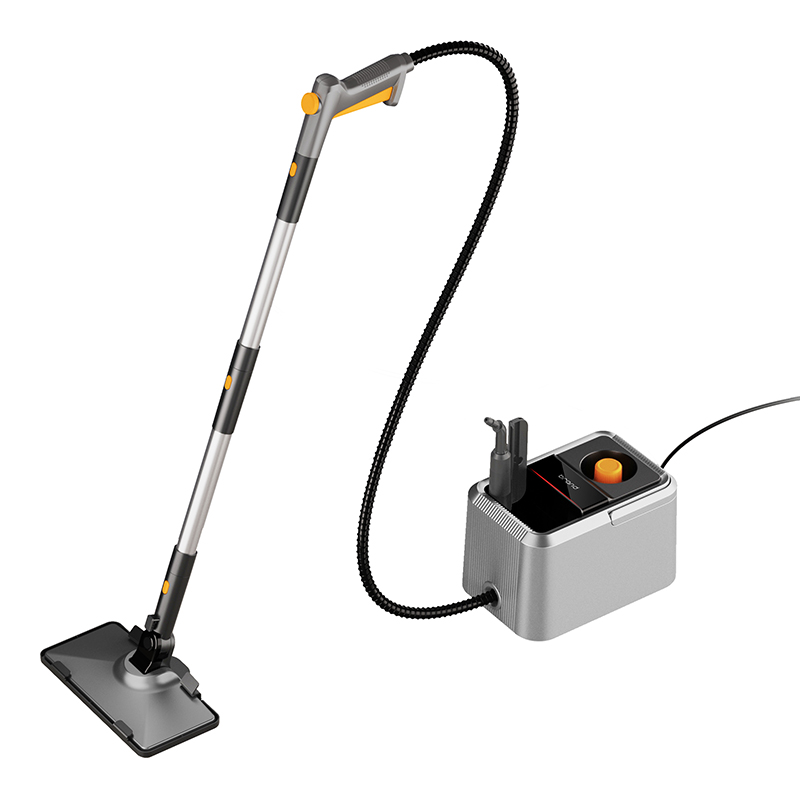
A steam mop is designed for floors and uses a flat pad on a swivel head. A steam cleaner uses a boiler, a hose and interchangeable attachments, so it can work on kitchens, bathrooms, windows, upholstery and vehicle interiors.
(2) What does a China steam cleaner manufacturer offer compared with a trading company?
A manufacturer controls tooling, molding and assembly in its own facility, which supports design changes, batch records and closer communication between engineers and buyers.
(3) What does a China steam cleaner ODM project include?
An ODM project usually includes product design, structure and electronics engineering, tooling, sample testing, pilot production and packaging development based on the brand guide.
(4) Can a China steam cleaner supplier combine several product types in one order?
Yes. Steam cleaners, steam mops and steam and sweeper units can be planned together, which helps importers fill a mixed container with a balanced range.
(5) Which accessories should a standard set include?
Most sets include a jet nozzle, a round brush, a squeegee tool, an extension tube and a fabric cover. The final list depends on the target market and the main tasks of the end user.
(6) How should a buyer prepare an inquiry?
A short brief with the target market, preferred format, tank size, accessory list, branding needs and expected order quantity allows the factory to prepare a clear proposal and sample plan.
(7) Where is Ningbo Yuexiang located and which markets does it serve?
The company is in Cixi City, Ningbo, and exports to Europe, the United States and Southeast Asia, covering more than 30 countries and regions.

- CONTACT INFORMATION
-
-
 +86-574-23889768
+86-15867411256
Got questions? Call us 24/7 -
 sales@nbyuexiang.com
Contact us now for a quote -
 Building 10, Wanyang (Henghe) Entrepreneurial City, Henghe Town, Cixi City, Ningbo,China(P.C.:315318)
-
- GET TOUCH
Copyright ©
Ningbo Yuexiang Electric Appliance Co., Ltd.
All Rights Reserved.
Steam Cleaner Manufacturer
Custom Steam Cleaner Supplier
