
 English
 русский

Steam Mop, Floor Washer and Steam Mop and Sweeper: Which Floor Cleaner Should You Source For most hard-floor households, a steam mop is the right starting product, a multifunctional steam mop suits users who want one machine for several jo...
READ MORE
Pet electrical appliances Manufacturer
Introduction to Pet electrical appliances
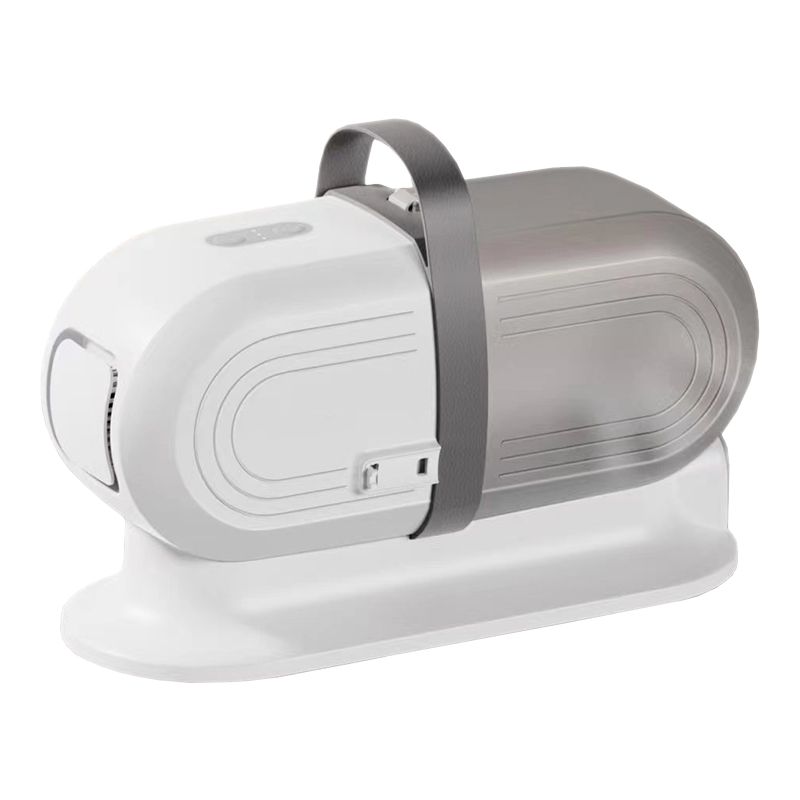
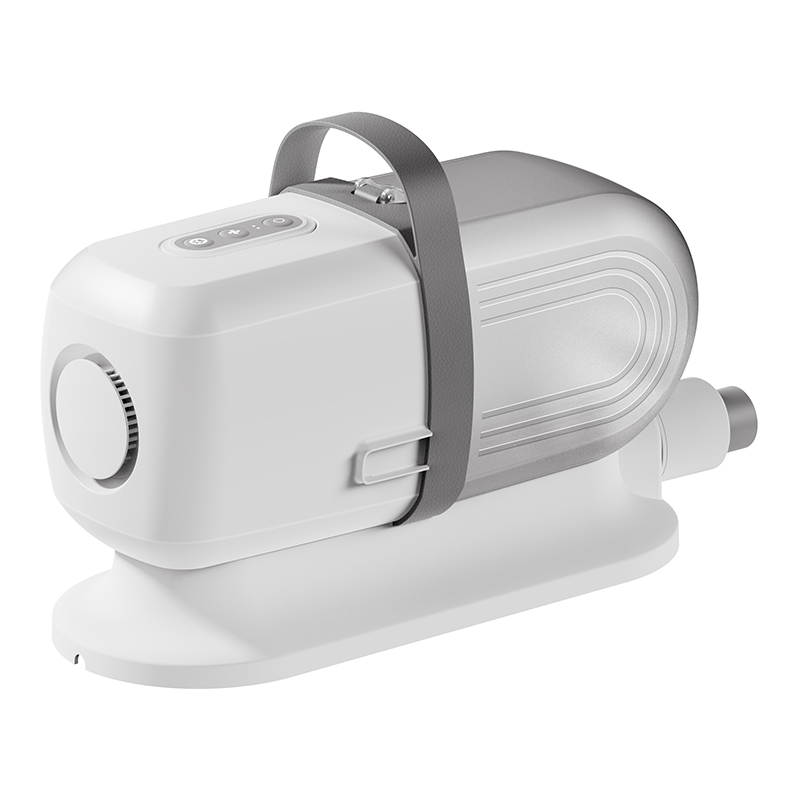
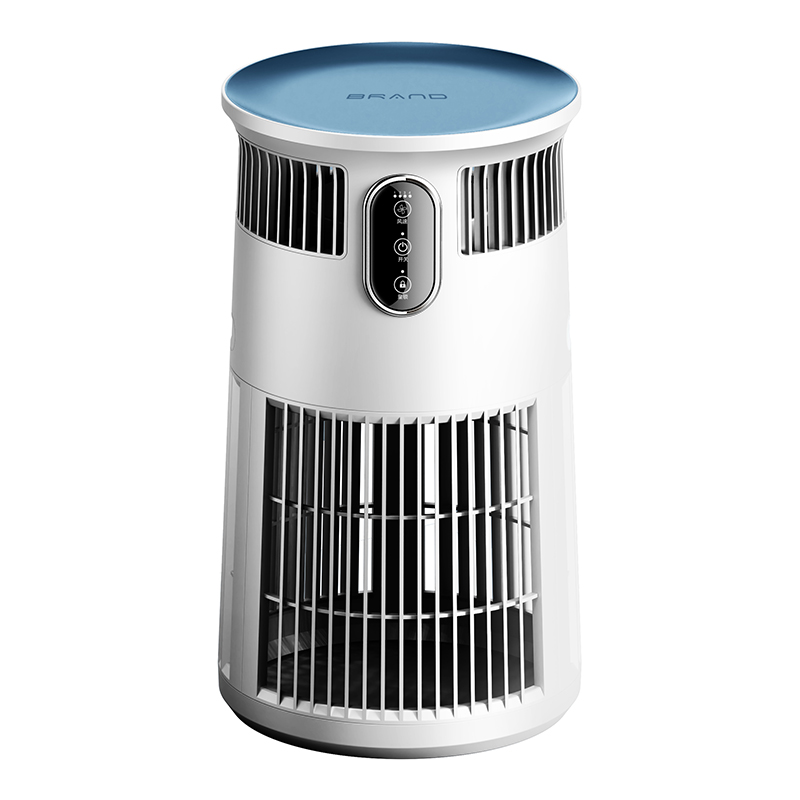
Pet electrical appliances are specialized electronic devices engineered to address the unique challenges of pet ownership, with pet grooming vacuums and pet air purifiers representing two of the most sought-after solutions in this category. Designed to tackle persistent pet hair, dander, and household odors, these appliances combine powerful performance with pet-safe technology.
Pet grooming vacuums integrate suction power with grooming tools—including slicker brushes, deshedding heads, and crevice nozzles—to collect loose fur directly during brushing, significantly reducing airborne hair and mess. Pet air purifiers, equipped with HEPA filters and activated carbon layers, capture microscopic allergens, pet dander, and neutralize unpleasant odors from litter boxes or wet fur, creating a fresher, healthier indoor environment.
Pet electrical appliances serve both residential and commercial settings: in homes, they simplify daily pet care and improve air quality for allergy sufferers; in professional settings such as pet grooming salons, veterinary clinics, and pet boarding facilities, they enhance hygiene standards and operational efficiency. By combining functionality with pet-friendly design, these appliances have become indispensable tools for maintaining a clean, comfortable space shared with furry companions.
Ningbo Yuexiang Electric Appliance Co., Ltd.
Founded in 2008, Ningbo Yuexiang Electric Appliance Co., Ltd. is specializing in home cleaning appliances for both oversea and home markets. Our company is located in Wanyang (Henghe) Entrepreneurial City, Henghe Town, Cixi City, Ningbo, China. We have our own mould making shop supported by experienced technical engineers, injection machines, products assembly lines.
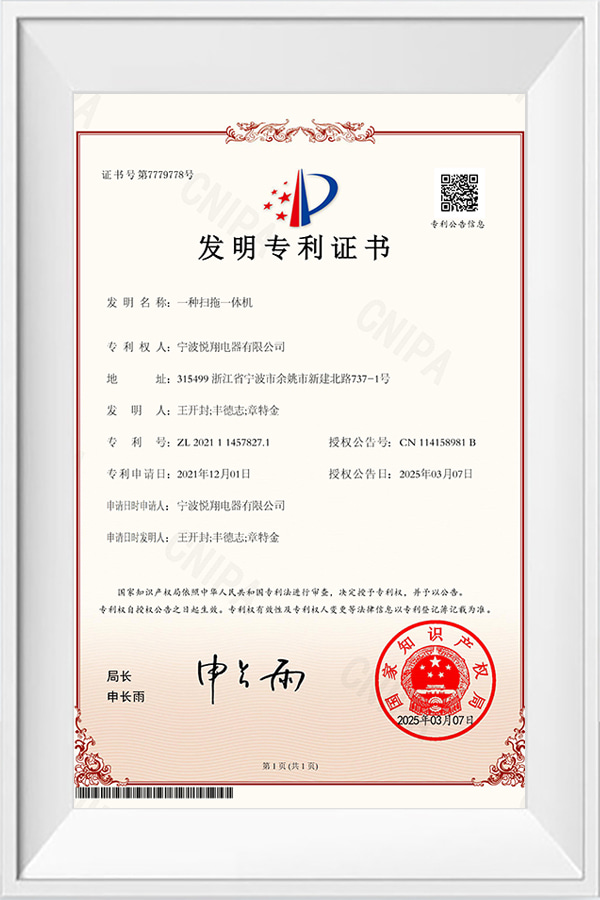
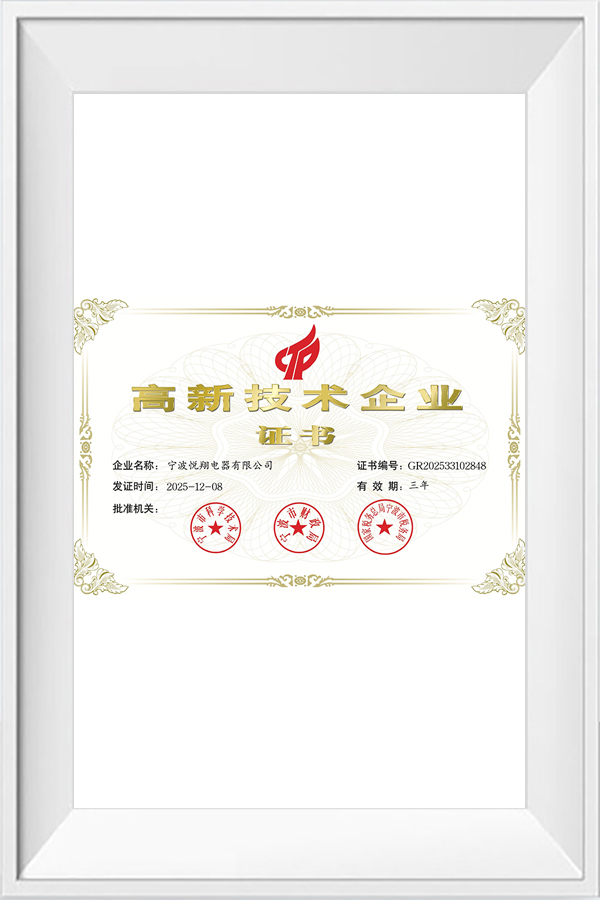
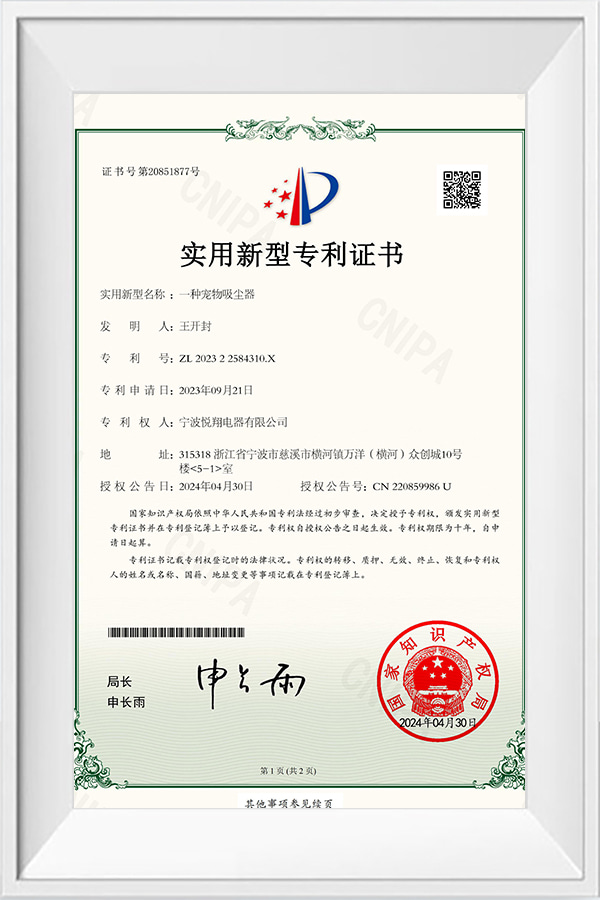
Ningbo Yuexiang Electric Appliance Co., Ltd. is a China Pet electrical appliances Manufacturerand Custom Pet electrical appliances Supplier, we are mainly manufacturing Steam Mop, Steam Cleaner, Steam and Sweeper, Pet Electrical Appliances, Neck Massager, etc. With the mission to deliver high quality products, good services with competitive prices, we have a wide range of customers all over the world, Products are exported to Europe, the United States and Southeast Asia, more than 30 countries and regions. High praise from our customers are received. Our products have passed concerned safety certification as GS, CE, Rohs, FCC, UL, PSE, SAA etc.
Owing to high-quality products and superb services, we have been well accepted by our business partners. We are looking forward to having you as our enhanced customers and will appreciate your inquires. Your OEM and ODM are welcome always.
-
-
China Multifunctional Steam Mop Factory: A Buyer's Guide to Steam, Floor and Pet Cleaning Products Picture a distributor who needs one mixed container: a multifunctional steam mop, a steam mop and sweeper combo, a portable steam cleaner, a...
READ MORE -
China Steam Mop and Steam Cleaner Supplier: What Buyers Should Decide First Imagine a retailer building a home care catalogue who asks three factories for samples of a steam mop, a handheld steam cleaner and a neck massager. Three replies ...
READ MORE -
China Home Cleaning Appliances Manufacturer: What to Settle Before You Send an Inquiry Picture an importer who approves a steam mop sample in spring, books a container for summer, and then discovers that the cable on the production run is ...
READ MORE
1. Pet Electrical Appliances as a Product Category
Pet electrical appliances are powered devices that help owners and groomers with coat care, drying, hair removal, nail care and feeding routines. The category includes grooming clippers and trimmers, pet hair dryers, grooming vacuum kits, nail grinders, water fountains and automatic feeders. Each product combines a motor or a pump, a control circuit and a housing that suits close contact with animals, so the design work differs from general household appliances.
Pet stores, online sellers, grooming chains and brand owners usually source these goods from a China pet electrical appliances manufacturer that can handle tooling, injection molding, electronics and assembly in one facility. Buyers who build a long range also work with a China pet electrical appliances supplier that can combine several product types into one shipment plan. Brands that want their own appearance and packaging often start a China pet appliances OEM project, in which the factory builds products to the brand design and specification.
This article covers product types, design priorities, power formats, materials and components, application scenes, and the steps of an OEM program, so that buyers can compare options and prepare a clear inquiry.
2. Common Product Types and How They Work
The table summarizes the main product types, the working principle of each and the design points that matter most to pet owners and groomers.
| Product Type | Working Principle | Design Focus |
|---|---|---|
| Clipper and Trimmer | Motor drives a moving blade across a fixed comb | Low noise, blade guards, comb sizes |
| Pet Hair Dryer | Fan and heater move warm air through a nozzle | Adjustable airflow, controlled air temperature, nozzle shapes |
| Grooming Vacuum Kit | Suction collects loose hair while a brush or comb works the coat | Quiet motor, easy dust bin, soft tool heads |
| Nail Grinder | Small motor spins an abrasive head | Speed levels, dust cover, light grip |
| Water Fountain and Feeder | Pump circulates water, or a timer releases food | Easy cleaning, filter access, quiet pump |
(1) Product Mix for Range Planning
The treemap shows one way to balance a new pet appliance range, and the shares are planning figures rather than market statistics. Clippers and trimmers take the largest block because grooming tools sit at the center of most pet owner routines and groomer kits. Dryers and grooming vacuum kits form the next two blocks, since they share fan and motor technology and can be developed on related platforms. Nail grinders and fountains fill the remaining area and can be added as accessory lines. A buyer can adjust these proportions for a given market, for example by giving more space to dryers where coats are longer and baths are frequent. A factory that already builds motors, fans and housings for several product types can support this kind of mixed range with shared parts and tooling knowledge.
3. Design Priorities for Products Used Near Animals
A pet appliance is used close to a living animal, so engineers set priorities in a clear order. Electrical and mechanical safety come first, followed by comfort for the animal, then ease of use and cleaning for the owner, and finally appearance and packaging. The pyramid arranges these layers from the base to the top.
The widest layer at the bottom is the safety base, which covers insulation, blade guards, rounded edges, secure battery compartments and housing materials that suit skin contact. The second layer deals with comfort, because many animals react to loud sound, strong vibration or warm surfaces. Quiet motors, vibration damping and controlled air or surface temperature all belong here. The third layer covers usability, such as a grip that fits different hand sizes, parts that detach for washing and controls that are easy to read. Brand elements such as color, logo and packaging sit at the top, since they build on a solid base rather than replace it. Buyers who review a sample in this order can judge quickly whether a design is ready for retail.
Practical note: ask for a short sample report that records noise level, surface temperature after a set running time and drop test results, so that each design layer is supported by a record.
4. Corded or Cordless: Choosing a Power Format
Grooming clippers, nail grinders and some vacuum kits are offered in corded and cordless versions. A corded model draws steady power from the outlet, while a cordless model uses a rechargeable battery and moves freely around the animal. The slope chart compares the two formats on four attributes using a reference scale from 1 to 5.
Each line connects the rating of one attribute for the corded format on the left with the rating for the cordless format on the right. Portability is the clearest change, since it rises from the lower part of the chart to the top when the cable is removed. Run time and power headroom move in the opposite direction, because a battery limits both the length of a session and the peak motor load. Part simplicity falls slightly for cordless models, since a battery, a charging circuit and a battery compartment add components. These ratings are a general reference, and each product needs its own tests for run time, charging time and motor load. Buyers can use the chart to decide whether a range should lead with cordless models for home users or keep corded models for salon use, where long sessions are common.
(1) Points to Confirm for Cordless Models
- Battery capacity and typical run time per charge.
- Charging method, charging time and an indicator that is easy to read.
- Battery protection circuit and a secure compartment design.
- Packaging that suits battery shipments by sea or by air.
5. Materials, Components and Manufacturing Setup
Material and component choices shape durability, weight, noise and cleaning effort. The table lists common options that engineers consider during development.
| Component | Common Options | Design Consideration |
|---|---|---|
| Housing | ABS or PP plastic with a soft touch grip | Impact resistance, comfort in the hand, surface finish |
| Cutting parts | Stainless steel or ceramic blades | Edge retention, heat build up, replacement ease |
| Motor | Brushed or brushless DC motor | Noise, service life, control of speed |
| Power source | Mains cord or rechargeable lithium battery | Run time, charging, compartment security |
| Filters and bins | Washable mesh or replaceable filter | Hair capture, airflow, cleaning access |
(1) Why In-House Tooling Matters
Pet appliances rely on small plastic parts such as grip covers, comb attachments, dust bins and nozzle heads. These parts must fit tightly and feel smooth in the hand. A China pet electrical appliances manufacturer with its own mould shop can adjust a comb or a nozzle after a sample review without waiting for an outside vendor, and injection machines on the same site allow trial shots to be checked quickly.
6. Application Scenes, Selection and Care
(1) Typical Application Scenes
- Home grooming: light trimming, brushing, bath drying and nail care by the owner.
- Grooming salons: long sessions that call for corded clippers and strong dryers.
- Pet stores and clinics: display units, quick tidy up tools and feeding equipment.
- Online retail bundles: starter kits that pair a clipper with combs, a brush and a storage case.
(2) Care Steps for End Users
- Switch off and unplug the unit before cleaning.
- Brush hair from blades, nozzles and filters after each session.
- Apply blade oil to clipper blades as described in the manual.
- Store the unit dry, with covers on blades and nozzles.
7. OEM Project Path for Pet Appliance Brands
A China pet appliances OEM program lets a brand owner bring its own design, logo and packaging to a factory that already runs molds, motors and assembly lines. The brand can supply drawings, or ask the factory team to adapt an existing platform with a new exterior, color scheme and accessory set. The funnel shows how a project narrows from the first inquiry to shipment.
The widest stage at the top is the inquiry, where the brand owner explains the target market, product type, power format and branding needs. The concept and drawing stage turns that brief into a 3D structure and a parts list that both sides can review. Tooling and prototype work follows, and this stage takes the most effort because molds and fixtures must match the approved drawings. Sample approval narrows the project to one confirmed design, which then moves into a pilot run and regular production. Shipment closes the path with carton marking, loading records and export documents. The funnel shape reflects the way open questions shrink as each stage closes, and early agreement on the brief shortens the later stages. Brand owners who prepare reference photos and a clear accessory list at the start help the engineering team respond faster.
8. Cooperating with Ningbo Yuexiang
Ningbo Yuexiang Electric Appliance Co., Ltd. started in 2008 and focuses on home cleaning appliances for overseas and domestic markets. The company is based in Wanyang (Henghe) Entrepreneurial City, Henghe Town, Cixi City, Ningbo, and its products include steam mops, steam cleaners, steam and sweeper units, pet electrical appliances and neck massagers.
The factory has its own mould making shop with technical engineers, together with injection machines and product assembly lines. For pet appliance projects, this means housings, comb attachments and nozzle parts can be developed and checked on site. As a China pet electrical appliances supplier serving Europe, the United States and Southeast Asia, the company ships to more than 30 countries and regions and adapts plugs, manuals and cartons to each destination. OEM and ODM requests are welcome, and buyers can raise questions about product structure, accessory sets or packaging layout in the first inquiry.
9. Frequently Asked Questions
(1) What products does a China pet electrical appliances manufacturer usually make?
Typical products include grooming clippers and trimmers, pet hair dryers, grooming vacuum kits, nail grinders, water fountains and feeders. Product lines differ by factory, so buyers should confirm the range before they send a brief.
(2) What can a China pet appliances OEM program cover?
An OEM program can cover logo, color, grip material, accessory sets, carton design and instruction manuals. Larger projects can add new housing structures and new molds.
(3) How does a supplier differ from a manufacturer?
A manufacturer produces goods in its own facility, while a supplier may combine goods from several sources. A company with its own tooling and assembly lines can serve both roles for buyers who want one point of contact.
(4) Which power format suits a new pet appliance range?
Cordless models suit home users who value portability, while corded models suit longer sessions in salons. Many ranges offer both formats on a shared platform.
(5) What should be reviewed on a pet appliance sample?
Buyers usually review noise, surface temperature after running, grip comfort, blade or nozzle fit, cleaning access and the completeness of the accessory set.
(6) How should a buyer prepare an inquiry?
A brief with the target market, product type, power format, accessory list, branding needs and expected order quantity helps the engineering team prepare a clear proposal and sample plan.
(7) Where is Ningbo Yuexiang located and which markets does it serve?
The company is in Cixi City, Ningbo, and exports to Europe, the United States and Southeast Asia, covering more than 30 countries and regions.

- CONTACT INFORMATION
-
-
 +86-574-23889768
+86-15867411256
Got questions? Call us 24/7 -
 sales@nbyuexiang.com
Contact us now for a quote -
 Building 10, Wanyang (Henghe) Entrepreneurial City, Henghe Town, Cixi City, Ningbo,China(P.C.:315318)
-
- GET TOUCH
Copyright ©
Ningbo Yuexiang Electric Appliance Co., Ltd.
All Rights Reserved.
Pet electrical appliances Manufacturer
Custom Pet electrical appliances Supplier
