
 English
 русский


Vacuums for Pet Hair: A Practical Buying Guide for Homes and OEM Buyers
A two-bedroom home with one golden retriever can produce more loose hair in a week than many vacuum bins should reasonably hold. The short answer is that vacuums for pet hair need three things working together: strong airflow at the floorhead, a brushroll or comb that resists hair wrap, and filtration that keeps fine dander from blowing back into the room. A large bin helps, but only if the neck, filter, and brushroll are easy to clear without tools.
The common buying mistake is comparing only suction numbers. Pet hair arrives with dust, grit, carpet fiber, and dander. It clings to upholstery, wraps around rotating parts, and hides under furniture edges. A machine that handles a clean test strip well can still disappoint if the brushroll needs scissors every few minutes or the filter clogs after one shedding season.
What Vacuums for Pet Hair Must Get Right
Pet hair is light, but it is not always loose. On carpet, hair can be pressed into the pile. On hard floors, it can drift into corners before the head reaches it. The best machines are designed around those real conditions rather than a single test surface.
Airflow and floorhead seal
The floorhead seal matters because air takes the easiest path. If the head lifts too much on rugs, loses contact at edges, or has a narrow suction slot, airflow drops exactly where hair accumulates. Look for an adjustable height or a head that stays close without digging into delicate floors. For a manufacturer, this is a tooling and tolerance question, not only a motor choice.
On upholstery and stairs, the same principle applies through the tool connection. A loose hose fit or a poorly shaped crevice tool can waste airflow before the hair reaches the bin. Buyers should check whether the wand locks firmly, whether the tool joints feel tight, and whether the hose collapses under suction.
Brushroll wrap and tangle resistance
Long hair, carpet fiber, and pet fur combine into tight wraps around brushrolls. Once wrapped, the brushroll can lose balance, create noise, and stop agitating the carpet effectively. A comb-like strip, a tapered brushroll, or a removable brushroll can reduce maintenance time. The key is not just “tangle resistant” wording on a box; it is whether the design lets a user clear a wrap quickly without damaging bristles.
For short-haired pets, wrapped hair may be less visible but still present. For long-haired breeds, the brushroll can load up in a single room. A quick-release brushroll and a visible hair path are practical advantages, especially in homes where cleaning happens several times a week.
Filtration and dander control
Pet hair is visible; dander is not. A vacuum that captures hair but releases fine dust back into the room can leave odors and irritation behind. A sealed filtration path, a washable pre-filter, and a HEPA-grade final filter are useful. The important detail is fit: gaskets should seal firmly, filters should seat with a clear click or stop, and the bin empty action should not spill dust onto the floor.
Filter maintenance is part of performance. If a filter is hard to remove or needs tools, it will be cleaned less often. That leads to reduced airflow, longer cleaning time, and more strain on the motor. A simple filter access door can be more valuable than a small increase in quoted suction.
Dustbin access and serviceability
Pet hair fills bins quickly, and compact bins mean more trips to the trash. A bin release that works with one hand, a wide neck that resists bridging, and a lid that opens fully are small features with daily impact. For buyers sourcing for retail or wholesale programs, these details also affect return rates and user reviews.
Service access matters after the sale. Brushrolls, belts, batteries, and filters should be replaceable through a clear parts path. A product that is difficult to service may cost more over its life than a slightly higher-priced unit with better access.
Cordless, Corded, and Grooming Vacuums: Which Format Fits the Job?
There is no universal winner. The right format depends on how much carpet you have, how often the pet sheds, whether stairs are involved, and how much tolerance the pet has for noise. A grooming vacuum can be excellent for brushing sessions, but it is not a substitute for a full floor-cleaning routine.
| Format | Best for | Strengths | Trade-offs to check |
|---|---|---|---|
| Cordless pet grooming vacuum | Dogs and cats with regular brushing needs, sofas, pet beds, quick cleanups | Combines grooming tool and suction; low-noise models can reduce stress; useful for upholstery | Runtime, bin size, comb adjustment, and noise under load |
| Cordless stick vacuum | Daily floor touch-ups, stairs, open-plan homes | Fast setup, good reach, easy storage, convenient for hard floors | Brushroll wrap, small bin, battery fade on boost mode |
| Corded upright vacuum | Heavy carpet shedding and whole-home cleaning | Sustained airflow, larger bin, often stronger carpet agitation | Cord management, weight, storage space, stair handling |
| Handheld vacuum | Cars, sofas, pet beds, crevices | Compact, good for tight spots, quick to deploy | Small bin, short run time, limited floor coverage |
| Steam mop or floor washer | Hard floors after dry pickup | Sanitizing steam or wet cleaning for sticky residue | Does not replace dry vacuuming for hair and dander |
For everyday pet hair on hard floors, a cordless stick or a lightweight canister is often enough. For homes with wall-to-wall carpet and heavy shedders, a corded upright or a high-capacity cordless with a powered floorhead may be more practical. A grooming vacuum sits beside those tools because it solves a different problem: capturing hair during brushing before it spreads across the room.
Match the Tool to the Pet, Coat, and Surface
Pet hair behavior changes with coat length, undercoat density, and floor type. A short-coated beagle leaves stiff hairs that cling to fabric. A long-haired cat may leave soft clumps that wrap around brushrolls. A double-coated dog can release loose undercoat in clouds during seasonal changes. Matching the attachment and vacuum format to those patterns saves time.
Short coats and tight upholstery
Short hairs embed in sofa fabric and car seats. A motorized upholstery tool or a rubber-backed pet tool can lift them better than a plain crevice nozzle. Look for a tool with a strong seal and a brush strip that does not scratch delicate fabric. For stairs, a lightweight handheld or a cordless stick with a compact head is easier to control than a full upright.
Long coats and undercoat
Long-haired pets need more than floor suction. Loose undercoat should be captured during grooming before it reaches carpets and corners. A dedicated grooming vacuum with adjustable comb teeth can help, especially when the suction and noise level can be tuned. The tool should collect hair without pulling on the skin or leaving cut lines.
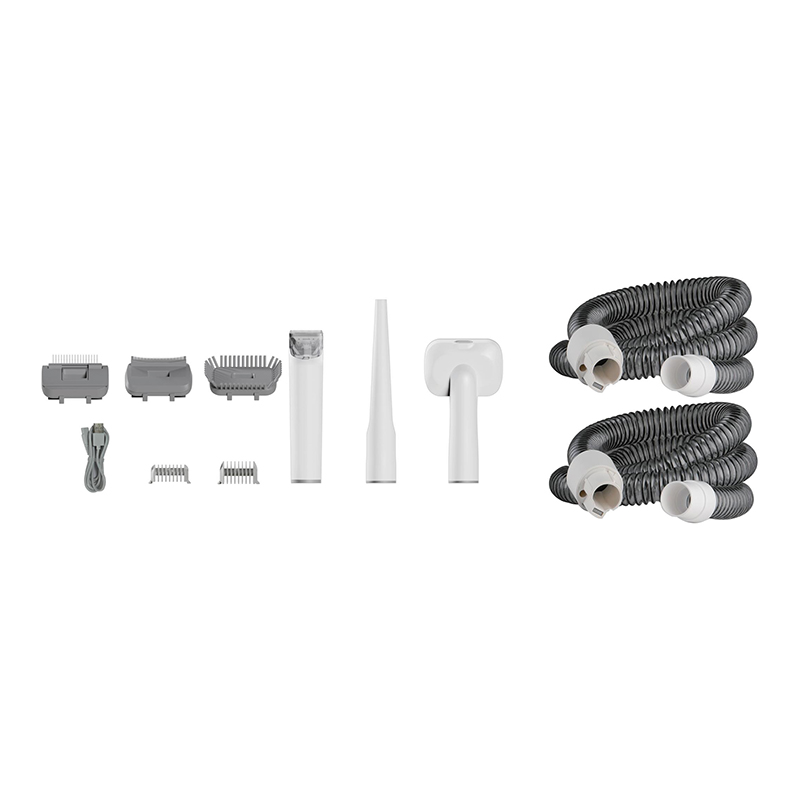 B2 2-in-1 Deshedding Grooming Vacuum with DryerCombines adjustable suction, warm-air drying, and six grooming attachments for long-haired and double-coated pets, with a sealed 2.0L dustbin and HEPA filtration.View Product →
For breeds with dense undercoat, a two-in-one deshedding grooming vacuum is often more practical than a separate brush and handheld vacuum. Buyers should test comb depth, bin access, and noise at the tool head. A product that is easy to hold for ten minutes will be used more often than one that feels heavy after two minutes.
Cats, noise sensitivity, and low-stress grooming
Cats often reject grooming tools that are loud, vibrate strongly, or pull hair. A low-noise cordless grooming vacuum can make short sessions easier, especially if the motor sound is smooth rather than high-pitched. Start with the lowest suction, use a quiet room, and keep sessions brief. The same approach works for anxious dogs.
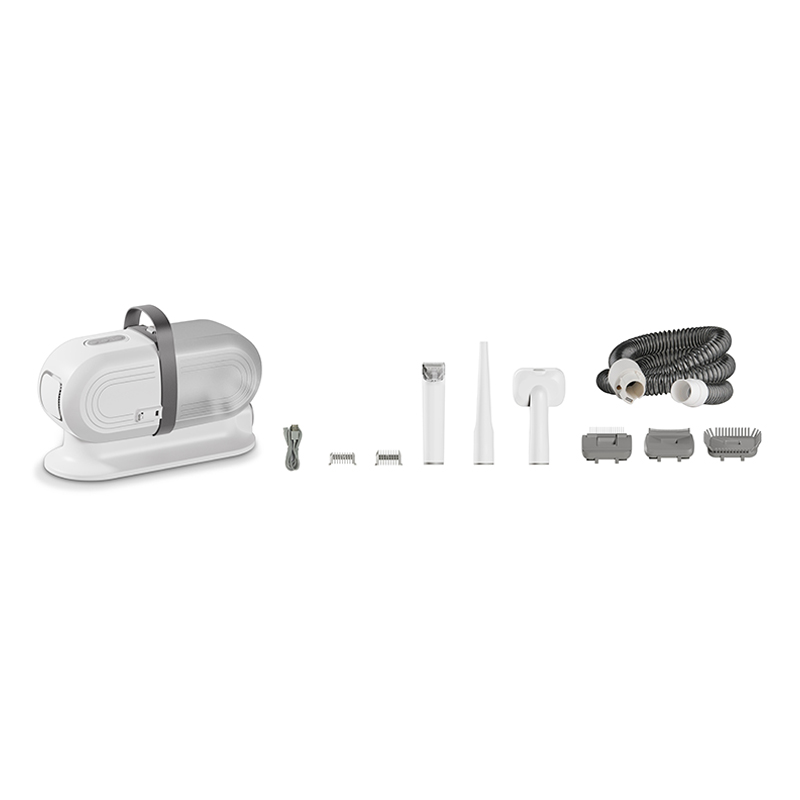 B1 Low-Noise Cordless Pet Grooming VacuumCordless grooming vacuum captures shed fur in a 2L sealed bin, runs under 65dB, and includes five attachments for dogs, cats, and multi-pet homes.View Product →
A low-noise cordless pet grooming vacuum for dogs and cats is useful for quick brushing, sofa touch-ups, and pet-bed cleaning. The practical checks are run time, tool balance, bin capacity, and whether the filter is easy to remove after a session. For a supplier, these are also the points to document in sample reports so buyers know what to expect.
Hard floors, carpets, and edges
On hard floors, pet hair tends to drift and form loose clumps. A floorhead with soft anti-scratch bristles and a wide suction path can capture hair without pushing it into corners. On carpet, agitation matters more, but a brushroll that wraps quickly becomes a maintenance burden. Edge cleaning is another practical test: hair collects along skirting boards and under cabinet overhangs.
Battery, Noise, and Handling in Real Homes
Cordless convenience is only useful if the battery covers the actual cleaning session. A small apartment may be finished in twelve minutes. A three-bedroom home with carpets, stairs, and a shedding dog may take thirty-five minutes or more. Published run time is often measured on the lowest setting, so buyers should look for boost-mode run time and recharge time as separate figures.
- Check run time with the powered floorhead attached, not only the main unit.
- Check whether the battery is removable and whether spare batteries are available.
- Check the weight with the wand and floorhead fitted, not just the bare motor body.
- Check noise at the tool head, because grooming tools sit close to the pet’s ears.
- Check the storage footprint, especially in homes without a utility closet.
Noise is not only a comfort issue. A vacuum that sounds harsh may make a pet hide before grooming begins. Smooth motor control matters more than a single decibel figure, because pitch and vibration also affect acceptance. For product development, a low-noise motor, soft mounts, and a well-sealed airflow path can reduce both sound and wasted suction.
Handling shows up in small details: a bin that opens over the trash without a cloud of dust, a wand that adjusts with one hand, a floorhead that turns under furniture, and a brushroll that can be removed without a screwdriver. These features are easy to overlook in a spec sheet but obvious in daily use.
Filtration, Odor, and the Air Pets Share With Us
Pet owners often notice odor after cleaning, even when visible hair is gone. The cause is usually fine dust, dander, and oils trapped in fabrics or recirculated by a weak filtration path. A vacuum with a sealed system and a clean final filter helps, but the room also needs air exchange and surface cleaning. For homes with multiple pets, an air purifier can run alongside regular vacuuming rather than replace it.
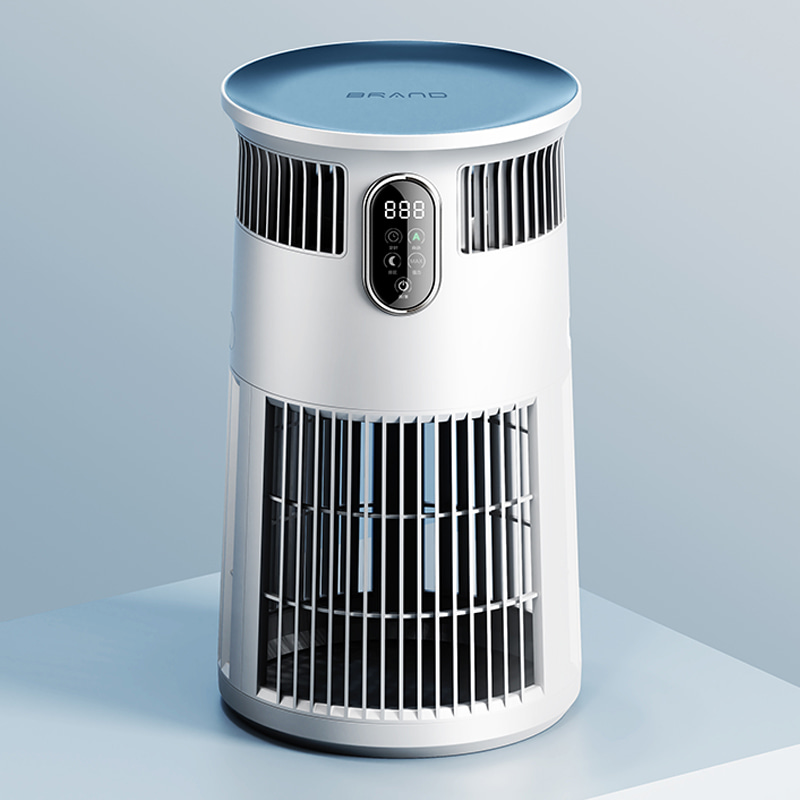 K1 Ultra-Silent HEPA Pet Air PurifierThree-layer filtration with True HEPA and enhanced activated carbon targets pet hair, dander, and odors, running as low as 25dB for pet-friendly rooms.View Product →
An ultra-quiet HEPA filter pet air purifier is useful in rooms where pets sleep, because odor and airborne dander collect where the pet spends the most time. Look for a filter path that is easy to replace and a fan speed that can run overnight without being intrusive. The purifier should support the cleaning routine, not create a new maintenance burden.
In a vacuum, filtration quality depends on gaskets and fit as much as media grade. A HEPA filter that bypasses at the bin seal will not deliver the expected benefit. For manufacturers and suppliers, leak testing and gasket consistency belong in the sample approval process. For buyers, a visible filter seal and clear replacement instructions are practical signals of a better design.
Where Pet-Hair Performance Problems Usually Appear
Pet-hair complaints rarely come from one weak specification. In buyer conversations, the same handful of issues decides whether a vacuum stays useful after the first month. The chart below is a planning index for product reviews, not a laboratory result.
The pattern is practical: brushroll tangles and emptying friction drive returns more than headline suction. A pet grooming vacuum with a low-noise motor and a sealed path can reduce both, especially when the bin and filter are easy to reach. For OEM programs, these priorities should appear in the sample review form, not only in the catalog description. A supplier that can document brushroll life, filter fit, and bin handling is easier to qualify for long-term wholesale supply.
What Wholesale Buyers Should Validate Before Ordering
For importers, wholesalers, and private-label buyers, the product story must survive sample testing and a full season of use. A manufacturer with an in-house mold shop, injection molding, and assembly lines can control fit and finish more closely, but the buyer still needs a clear approval process. The same applies to OEM and ODM projects: a strong sample is useful only if the production units repeat it.
- Run a hair-pickup test on hard floor, low-pile carpet, and upholstery with a fixed number of passes.
- Wrap the brushroll with test hair for ten minutes and record how long it takes to clear it without tools.
- Measure noise at the floorhead and at the grooming tool, because pet acceptance depends on both.
- Check filter fit, gasket contact, and bin sealing after repeated empty cycles.
- Review battery run time with the powered head attached, plus recharge time and spare-battery options.
- Confirm certification requirements for each market, such as GS, CE, RoHS, FCC, UL, PSE, or SAA.
- Ask for a parts list and service guide so filters, brushrolls, and batteries can be supported after launch.
Wholesale pricing should be judged together with packaging, spare parts, warranty terms, and sample consistency. A low unit price can disappear once returns, replacement filters, and support costs are included. Buyers should also ask whether the supplier can hold tolerances across colors and tooling changes, because small gaps at the bin or floorhead can change airflow noticeably.
For pet appliances, the most useful supplier is one that understands both the cleaning job and the retail risk. That means clear test methods, stable tooling, and practical documentation. Our own pet grooming vacuum and air purifier range is built around those checks, and OEM or ODM discussions can start from a target price, a market certification list, or a sample benchmark.
FAQ: Vacuums for Pet Hair, Sourcing, and Maintenance
What should I look for first in vacuums for pet hair?
Start with the brushroll and the floorhead seal. A vacuum that keeps strong airflow at the floor and lets you clear wrapped hair quickly will usually outperform a higher-suction model that clogs or tangles. Filter access and bin emptying are the next practical checks.
Is a cordless pet grooming vacuum better than a regular stick vacuum?
They solve different parts of the job. A grooming vacuum captures loose hair during brushing and is useful on sofas and pet beds. A stick vacuum is better for floors, stairs, and quick touch-ups. Many pet homes benefit from both, or from a grooming vacuum plus a corded upright for deep carpet work.
How do I reduce pet hair wrapping around the brushroll?
Choose a brushroll design with a comb strip, tapered shape, or tool-free removal. Run the vacuum often enough that hair does not build up with grit and carpet fiber. Long-haired pets may still need a quick check after each whole-home clean, especially on carpet.
Do I need a HEPA filter if I have pets?
A HEPA-grade final filter helps with fine dander, but only when the filter path is sealed and the filter is kept clean. Check gaskets, filter fit, and replacement availability. An air purifier can support the same goal in rooms where pets sleep.
How often should I clean the filter and bin?
Empty the bin after each heavy pet-hair session rather than waiting until it is full. Clean or rinse the pre-filter according to the manual, and replace the final filter when airflow drops or odor remains. A vacuum with tool-free filter access is more likely to be maintained on schedule.
What should OEM buyers ask a manufacturer or supplier?
Ask for sample test records, certification status, tooling ownership, spare-parts availability, and the production control plan for brushroll, bin, and filter tolerances. For wholesale programs, request packaging and warranty terms together with the unit price so the full landed cost is visible.
Factory and OEM/ODM Details
For buyers who need tooling support, certification review, or private-label development, see the OEM and ODM cooperation page and the factory overview. These pages show how the manufacturing and sample approval process is organized for pet appliances, steam cleaners, and related home cleaning products.
-
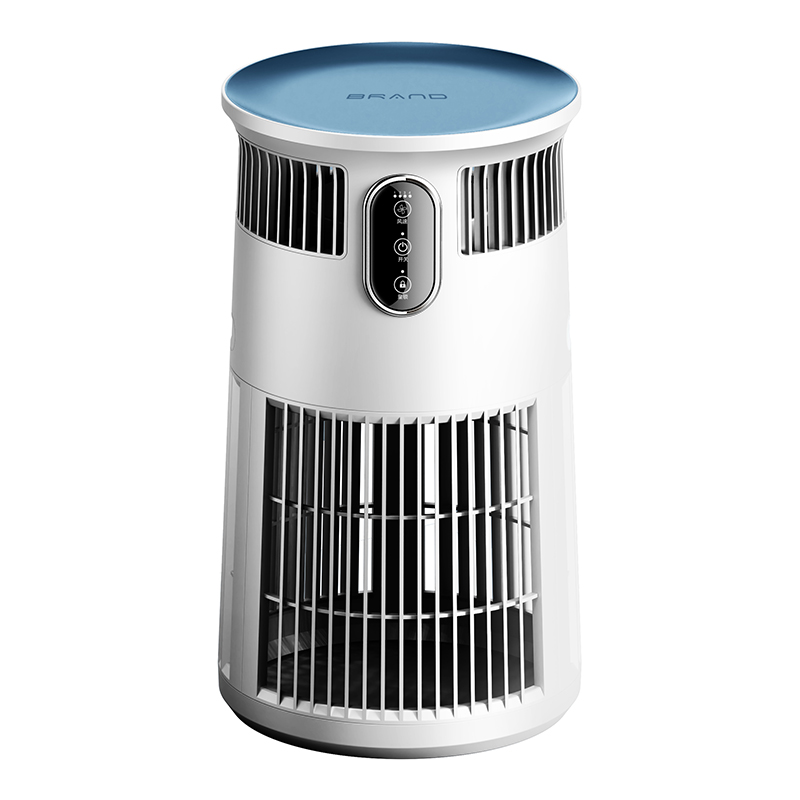 K1 Ultra-Silent HEPA Filter Pet Air Purifier for Pet Odor and Dander
-
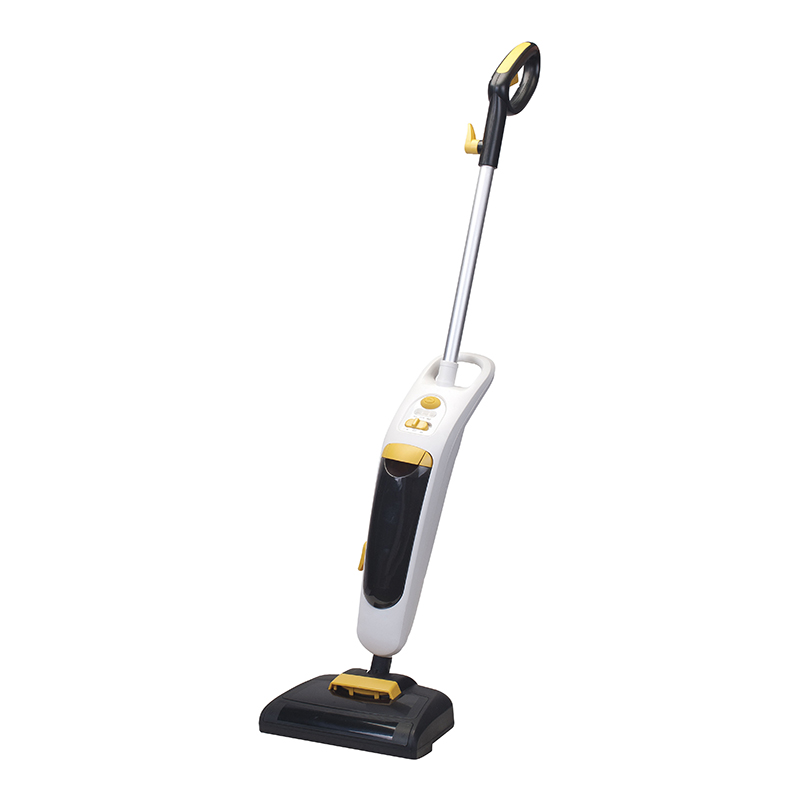 XY-201 All-in-One Multi-Surface Steam Mop and Sweeper for Whole House
-
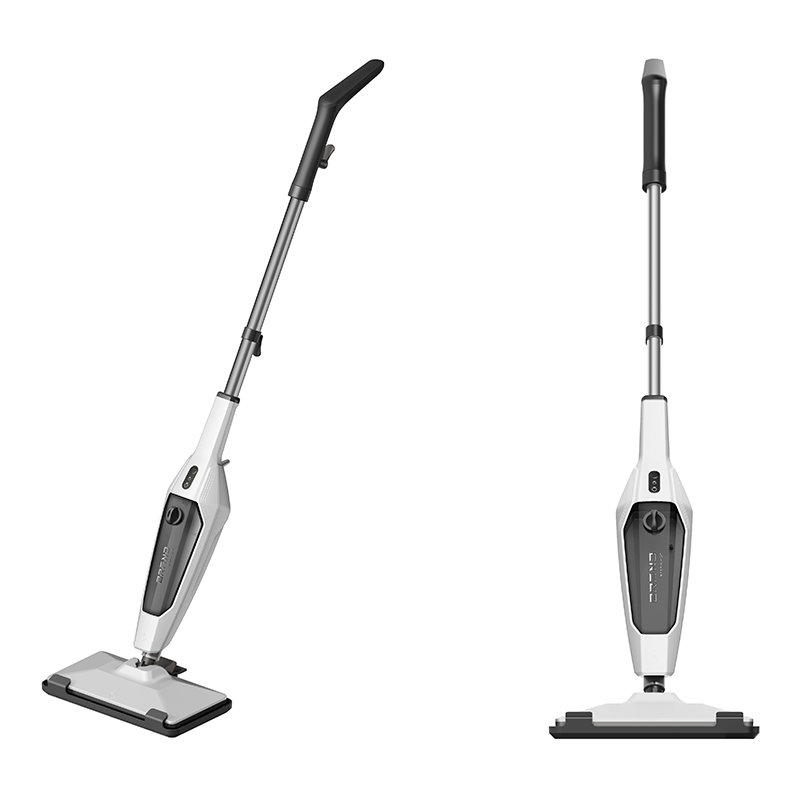 XY-611 Electric Multifunctional Steam Mop Adjustable Steam for Hardwood and Tile Floors
-
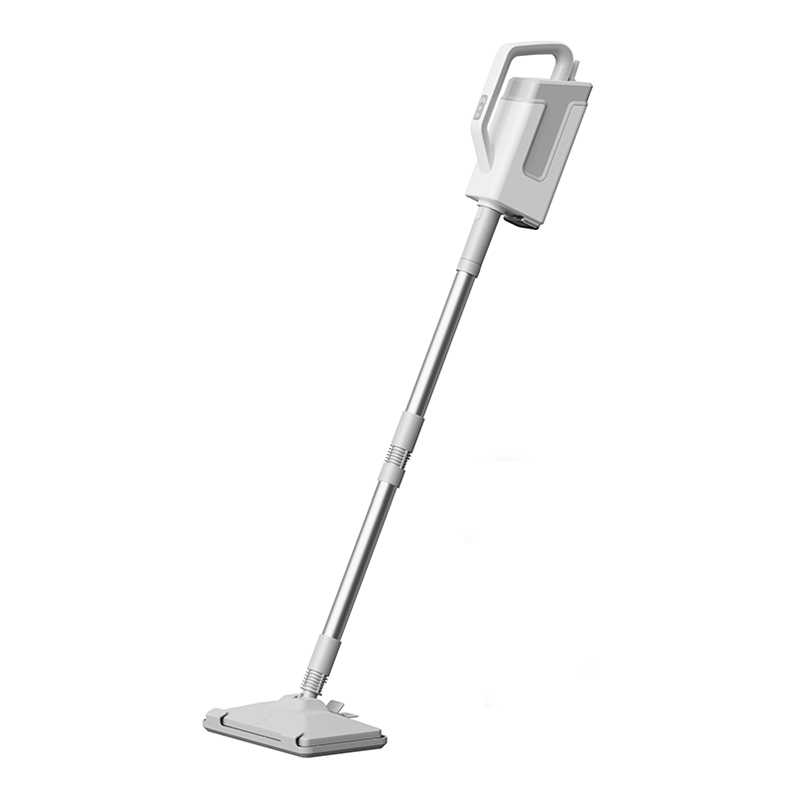 XY-612 Adjustable Handheld Multifunctional Steam Mop for Car, Home, and Commercial Use
-
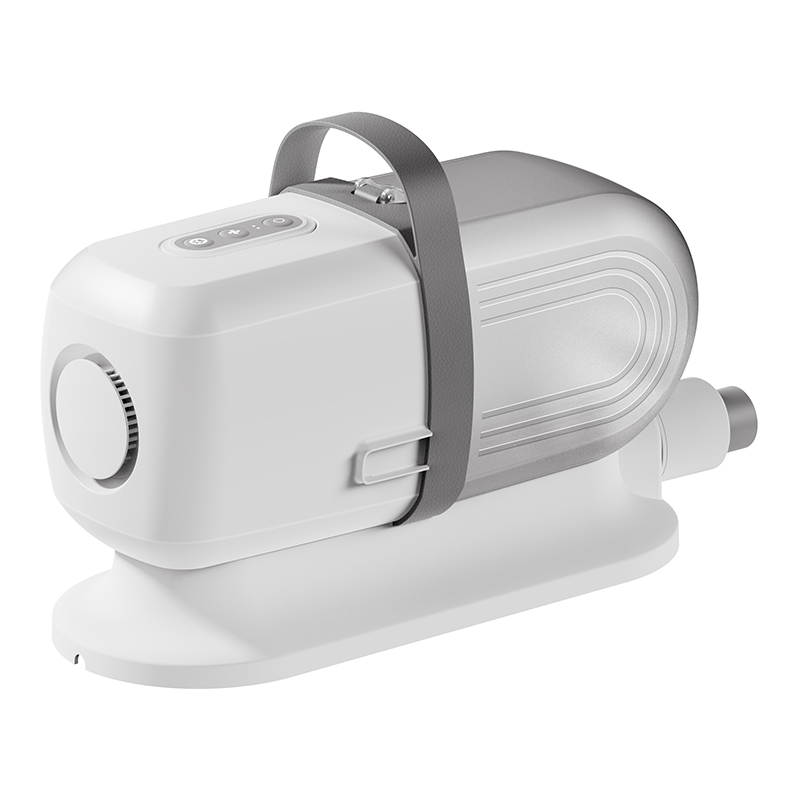 B2 2-in-1 Deshedding Pet Grooming Vacuum for Long Hair Breeds
-
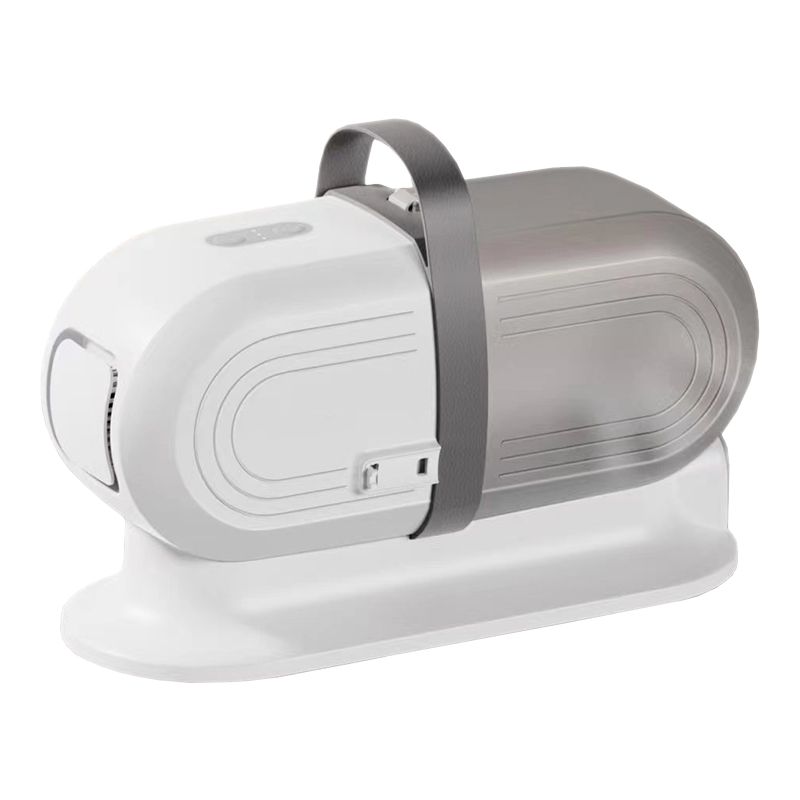 B1 Low-Noise Cordless Pet Grooming Vacuum for Dogs and Cats
- Portable Neck Massager Sourcing Guide for OEM Buyers and Wholesale Teams
- China Home Cleaning Appliances Manufacturer: OEM and ODM Guide
- Dog Grooming Tips for Beginners: Coat Tools, Short Routines, and Less Hair at Home
- China Multifunctional Steam Mop Factory: OEM, ODM and Wholesale Guide
- Advantages of Steam Mops Compared to Regular Mops

- CONTACT INFORMATION
-
-
 +86-574-23889768
+86-15867411256
Got questions? Call us 24/7 -
 sales@nbyuexiang.com
Contact us now for a quote -
 Building 10, Wanyang (Henghe) Entrepreneurial City, Henghe Town, Cixi City, Ningbo,China(P.C.:315318)
-
- GET TOUCH
