
 English
 русский


Portable Neck Massager Sourcing Guide for OEM Buyers and Wholesale Teams
A portable neck massager looks simple on a quotation sheet: a shell, a motor, a battery, and a strap. In practice, the difference between a product that earns repeat orders and one that comes back as a return often sits in details that are easy to miss during the sample stage: how the weight sits on the shoulders, how quickly the surface warms, how loud the motor sounds in a quiet office, and whether the battery and charging system can pass the safety requirements of the destination market.
This guide is written for buyers, brand owners, wholesalers, and OEM teams who need to compare portable neck massagers in a practical way. It is not a feature list. It is a working checklist for samples, quotations, and factory conversations, with examples from the neck massager category and the manufacturing environment behind it.
A portable neck massager is a comfort product, not a medical device. That distinction matters because it shapes the claims you can make, the tests you should run, and the way you present the product to retail buyers. A device can feel pleasant and still fail as a commercial product if it is too heavy, too loud, too tight, or too difficult to charge.
What a portable neck massager is really for
Most buyers approach this category with one of three users in mind: the office worker who sits at a desk for long stretches, the frequent traveler who wants something small enough for a bag, and the home user who wants a relaxed session on the sofa. Those three users do not need the same device. A model that feels comforting on a sofa may feel unstable at a desk. A travel model that disappears into a backpack may not provide enough coverage for a user who wants shoulder and back contact.
The first useful question is therefore not "Which motor is strongest?" but "Where will this device be used, and what does the user need to do while wearing it?" If the answer is typing, reading, or taking calls, then button access, noise, and stay-in-place fit become more important than maximum intensity. If the answer is a short evening session, then heat, surface feel, and shoulder coverage may carry more weight.
At Yuexiang, the neck massager line is kept separate from the steam mops, steam cleaners, and pet appliances because the use pattern is different. A steam mop is judged by cleaning result, water tank behavior, and floor compatibility. A portable neck massager is judged by how it feels after ten minutes, whether it stays in position, and whether the user can recharge it without searching for a special cable. The product categories may share a factory discipline, but they do not share the same buyer criteria.
That is also why a wholesale neck massager program should not be built from a single photograph. The photograph can show shape and color. It cannot show clamp force, surface temperature, motor pitch, or the position of the charging port when the device is worn. Those details require a sample and a short, structured review.
Portable formats: wrap, mini neckband, and handheld
Buyers often use "portable neck massager" as one category, but the market splits into at least three physical formats. Each format has a different cost structure and a different return risk. Mixing them in one comparison sheet makes it hard to see which product actually fits the channel.
U-shaped wrap and shoulder-back formats
These devices put the motor and battery around the neck and often extend toward the shoulders. They feel more substantial, provide broader contact, and are easier to present as a gift or home-use product. KBN117 sits in this family: a cordless rechargeable neck massager positioned for shoulder and back use. The cordless format removes the cable from the wearing experience, but it also makes weight distribution more important. A device can be within the target weight and still feel heavy if the battery sits too far forward or the neck opening presses on the collarbone.
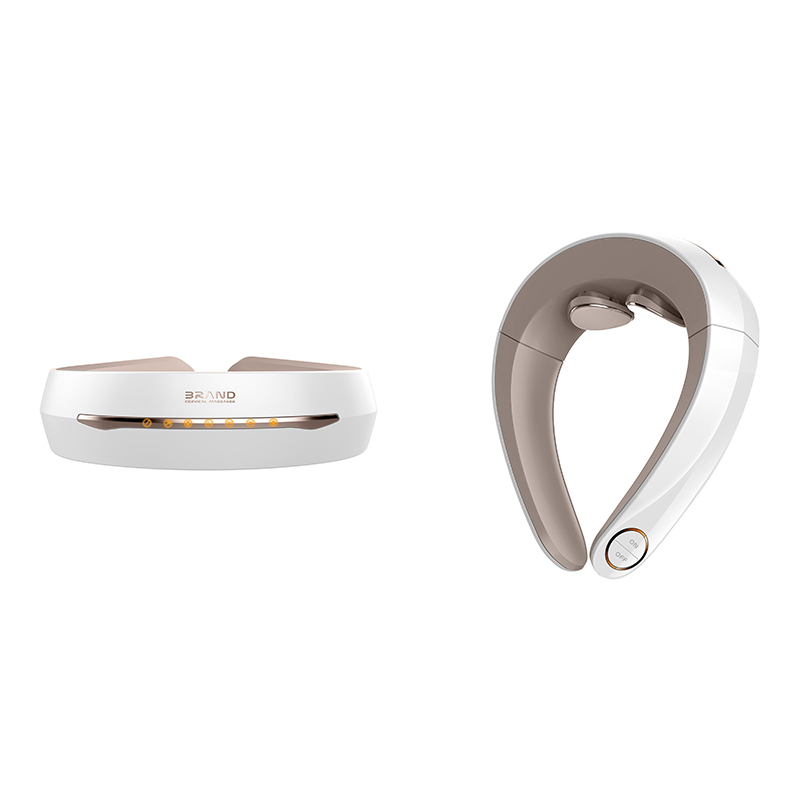 KBN-117 Cordless Rechargeable Neck and Shoulder MassagerA cordless wearable neck massager with heat, multiple modes, and 160 g build; check fit and balance for shoulder and back use.View Product →
For a buyer, the key questions are practical: Does the device stay in place when the user leans back? Can the user reach the controls without removing it? Does the surface feel warm without becoming uncomfortable? Does the neck opening suit the target market? A difference of a few millimeters in the opening can change the fit for a large share of users, so this is not a detail to leave to a drawing alone.
Mini neckband and travel formats
Mini devices trade coverage for portability. They are smaller, lighter, and often designed for desk use, commuting, or short sessions. KBN118 is positioned as a portable mini neck massager for office workers. That positioning sounds narrow, but it is useful: it gives the product a clear use case, a clear retail story, and a clear set of tests. The device should be quiet enough for a shared office, simple enough to adjust while sitting, and small enough to stay in a bag without taking over the bag.
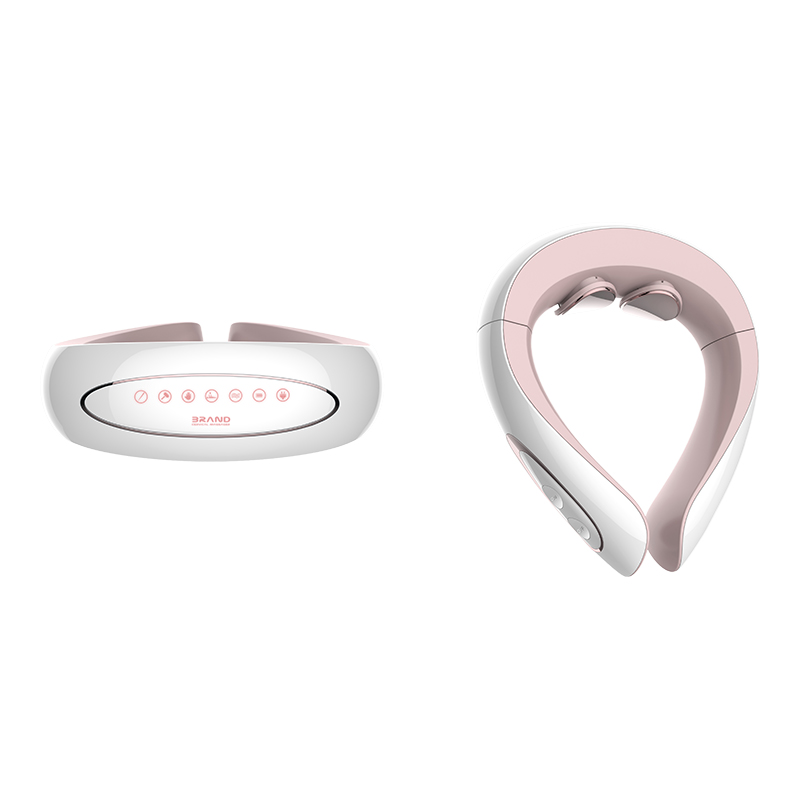 KBN-118 Portable Mini Shiatsu Neck Massager for Office WorkersCompact shiatsu massager with heat, three speeds, washable cover, and auto-off; its mini format suits desk use but should stay balanced during movement.View Product →
The risk with mini formats is that they can become too small to stay in place. A lightweight device that shifts whenever the user turns their head will feel less comfortable than a slightly heavier device with better balance. During sample review, ask the user to sit, type, read, and stand up without touching the device. If it moves in those ordinary actions, the fit needs work.
Handheld and pillow-style alternatives
Some buyers ask for handheld massagers or pillow-style massagers under the same request for quotation. These are different products with different user expectations. A handheld device gives the user direct control over position, but it is not hands-free. A pillow-style device may work for the neck, back, or legs, but it is harder to position consistently. They can sit in the same product family for a catalog, but they should not be compared as if they were direct substitutes.
The specification sheet that separates a good sample from a return
When you request a quotation from a neck massager manufacturer or supplier, ask for a specification sheet that includes more than the product name and color. The list below is a practical starting point for a portable neck massager program. It also gives the factory a clear target, which reduces the chance of a sample that looks right but performs differently from the quotation.
- Net weight, battery position, and the weight of the device when worn on the neck.
- Neck opening dimensions and the expected fit range for the target market.
- Motor type, number of intensity levels, and the behavior of each level.
- Battery cell type, nominal capacity, charge time, and runtime at each mode.
- Charging interface, adapter requirements, and whether the device can be used while charging.
- Heat function: surface location, target temperature range, warm-up time, and automatic shut-off.
- Noise level at the lowest and highest settings, measured in a quiet room.
- Materials for skin-contact parts, cleaning method, and resistance to daily wear.
- Certification scope for the destination market, including the exact model and adapter.
- Packaging contents, manual language, cable type, and any travel accessories.
The most common gap is not the motor specification. It is the definition of "runtime". One quotation may state runtime at the lowest speed with heat off, while another states runtime at the highest speed with heat on. Both can be technically true, but they are not comparable. Ask for a small table that shows runtime by mode, and ask whether the battery is new or has been cycled. This is the kind of detail that protects a wholesaler from a shipment that performs below the buyer's expectation.
Another gap is the definition of "portable". For one buyer, portable means it fits in a handbag. For another, it means it can be carried from the living room to the bedroom. The specification sheet should state the intended carrying case, the packed dimensions, and the weight of the complete retail package, not only the device. Shipping cost and retail shelf space both depend on the packed size.
A practical comparison table for procurement teams
The table below compares the three common formats on the criteria that usually decide whether a program is easy to scale. It is a buyer's comparison, not a product data sheet. Use it to frame sample questions, then verify the actual values with the supplier.
| Format | Best-fit use | Coverage and fit | Battery placement | Main procurement risk | Checks before quoting |
|---|---|---|---|---|---|
| U-shaped wrap and shoulder-back | Home use, office gifting, retail gift sets | Broader neck and shoulder contact; needs balanced clamp force | Usually in the ends; affects balance | Pressure points; the device may feel heavier than its net weight suggests | Neck opening, end pressure, balance when reclining, control reach |
| Mini neckband and travel | Desk work, commuting, small retail displays | Smaller contact area; relies on stable fit | Compact pack, sometimes inside the band | Too little coverage; the device may move during ordinary head movement | Stay-in-place test, button access, charge port position, noise in a quiet room |
| Handheld and pillow-style | Targeted use, shared household, back and leg use | User controls position; less hands-free | In the handle or pillow body | Different use case; not a direct substitute for a wearable massager | Grip comfort, motor noise, heat surface control, cleaning method |
Read the table with the target channel in mind. A wholesaler selling into office supply or corporate gifting channels may find the mini neckband easier to explain and display. A brand owner building a premium gift set may prefer the wrap format because it has more visual presence and broader shoulder coverage. A retailer that wants one device for multiple household users may ask for a handheld or pillow-style product, even though it is not a wearable neck massager in the same sense.
The comparison also shows why a single sample cannot answer every question. The wrap format may win on coverage and lose on packed size. The mini format may win on portability and lose on shoulder contact. The handheld format may win on flexibility and lose on hands-free use. A good procurement decision names the trade-off instead of pretending it does not exist.
Where the design effort should go: a planning chart
Procurement teams often argue about features in isolation. One person wants more heat, another wants a longer battery, and a third wants a lower price, but the discussion rarely starts with a shared weighting. The chart below is an illustrative planning model we use to structure a sample review when the target user is an office worker or a frequent traveler.
It is not market research, and it is not a fixed formula. It is a way to make the trade-offs visible before the quotation stage, so the factory and the buyer are working from the same priorities.
Illustrative decision weights for a portable neck massager program
Comfort and fit get the largest share because a portable neck massager is worn, not held. If the device presses in the wrong place or slides during normal movement, the user stops using it, and the return reason becomes "uncomfortable" even if the motor and battery are fine. Battery and safety come next because a lightweight device with a weak battery invites complaints, while an unsafe charging design creates a much bigger problem than a late delivery.
Heat control is third because heat is one of the few features a user can feel immediately, but it is also a feature that is easy to overstate. The device should warm up predictably, hold a stable surface temperature, and shut off when it should. Noise and materials follow because they shape the daily experience, especially in an office. Certification and packaging are lower in the weighting only because they are pass-or-fail items: they do not make a product better, but a missing certificate or a poor retail box can stop a program.
For a program based on KBN117 or KBN118, the chart can be used to split the sample review. KBN117 asks for a close look at shoulder coverage, balance, and heat behaviour. KBN118 asks for a close look at stay-in-place fit, button access, and office noise. The same weighting model can be reused, but the test method should change with the format.
Battery, heat, and safety: the three questions that matter
Battery, heat, and safety are linked. A larger battery can support longer runtime or higher heat, but it also adds weight. A higher heat setting can feel more satisfying, but it increases the demand on the control system and the surface materials. A cheaper charging circuit can lower the unit cost, but it can also create certification and return problems. These are not separate decisions.
Battery and charging
Ask for the cell type, nominal capacity, charge time, and runtime at each mode. Also ask where the charging port sits and whether the device can be used while charging. A port on the underside of the neck may be protected from dust, but it can be difficult to reach. A port on the side may be easier to use, but it can collect lint in a bag. The best position depends on how the user carries the device.
For export programs, check the charging circuit and adapter against the destination market's requirements. A portable neck massager may ship with a USB cable rather than a wall adapter, but the buyer still needs to know the input rating, the cable type, and the packaging language. If the product is sold in a market that requires a specific plug or safety mark, that requirement should be confirmed before the tooling is approved, not after the retail box is printed.
Heat control
Heat is a comfort feature, not a medical claim. Ask where the heat is applied, how the surface temperature is limited, how long warm-up takes, and what happens if the device is left on. A heat function that feels strong in the first minute and then becomes uneven is worse than a gentler function that holds a stable temperature. The user should also be able to turn heat off without cycling through every mode.
Test heat on the skin-contact surface, not on the shell. The same internal temperature can feel different depending on the material, the thickness of the cover, and the pressure of the device against the neck. If the device is designed for both neck and shoulder use, check whether the heated area follows the contact area or stops short of it.
Safety and labelling
The company's product program is supported by certifications such as GS, CE, RoHS, FCC, UL, PSE, and SAA, but a certificate is only useful when it covers the exact model, adapter, and packaging configuration. Do not accept a general statement that "we can do any certificate" without a scope document. Ask for the certificate number, the model list, the issuing laboratory, and the date. If the product is private-label, confirm whether the certificate can be extended to the buyer's brand and model number.
Labels matter as much as certificates. The rating label, warning text, and manual should match the destination market's language and safety requirements. A small portable neck massager can carry a surprising amount of compliance information, and the space on the shell is limited. Plan the label layout early, especially if the product has a curved surface.
Comfort, noise, and office acceptability
Comfort is not a soft issue. It can be measured in sample tests: neck opening, clamp force, surface pressure, button reach, and the ability to wear the device while reading or typing. A portable neck massager that requires the user to sit still with their hands away from a keyboard is not really an office product. It may be a home product with an office-like shape.
Noise is the second office issue. A motor that sounds acceptable in a factory can sound intrusive in a quiet room. The pitch matters as much as the volume. A high-pitched motor can be more noticeable than a louder low-frequency motor, even when the decibel reading is similar. Test the device in a room with a background level closer to an office, not on a busy production floor.
For KBN118, the office positioning makes noise and button access especially important. The user should be able to switch modes without removing the device or looking in a mirror. The controls should be distinct enough to find by touch, and the device should not require a long press that is difficult to perform while seated. For KBN117, the shoulder-back coverage means the device should stay balanced when the user leans back or reaches for a mouse. A wrap that shifts forward during these movements will feel less comfortable than its weight suggests.
A simple sample test can reveal more than a specification sheet. Ask three people of different neck sizes to wear the device for ten minutes each while doing a normal desk task. Record where it presses, whether it moves, how often they adjust it, and whether they can hear it in a quiet room. This is not a laboratory test, but it is a useful early warning system. If the sample fails this basic test, no amount of packaging improvement will fix the user experience.
Materials, skin contact, and certifications
Materials affect feel, cleaning, and durability. PU, ABS, silicone, mesh, and soft-touch coatings all behave differently against the neck. A soft-touch coating can feel premium at first, but it may become sticky over time or collect oils from skin and hair. A smooth ABS shell is easier to wipe, but it can feel colder and less forgiving. Silicone can provide grip, but it can also attract dust if the surface finish is not controlled.
Skin-contact parts should be easy to wipe and should not trap moisture. If the device is intended for shared household use, the cleaning method should be simple enough that people actually follow it. Avoid materials that become slippery when the user perspires, and avoid seams that press into the skin. The surface temperature of the heat function should be tested through the final material, not only on a bare prototype.
Certification is a market-entry issue, not a marketing badge. The company's product program is supported by certifications such as GS, CE, RoHS, FCC, UL, PSE, and SAA, but the buyer should confirm which certificate applies to the specific model and which laboratory issued it. A certificate for a similar model is not a substitute. The model number, electrical rating, adapter, and battery configuration should all be within the certificate scope.
For a private-label program, ask whether the certificate can be transferred or extended to the buyer's brand. This is especially important for wholesalers who sell through multiple channels. A retailer may ask for the certificate before placing an order, and a marketplace may ask for it before listing the product. If the certificate cannot be extended, the buyer may need to plan for an additional certification step and add that time to the launch schedule.
OEM and ODM: what to prepare before you ask for a quote
OEM and ODM conversations move faster when the buyer brings a clear brief. Prepare the target market, user profile, preferred format, weight target, battery target, heat requirement, noise target, skin-contact materials, color, logo method, packaging style, certification requirement, forecast, and expected MOQ. The more of these points you can confirm, the fewer sample rounds you will need.
Ningbo Yuexiang Electric Appliance Co., Ltd. welcomes OEM and ODM cooperation and supports the neck massager category alongside its cleaning appliance lines. The company's manufacturing environment includes a mold shop, injection machines, and product assembly lines, which is useful when a project needs more than a color change. A private-label program can be as simple as a logo and retail box, or as involved as a new shell and internal layout. Those are different projects with different timelines.
Be clear about what is fixed and what is open. If the shell is existing and only the color and logo change, the project can move quickly. If the neck opening, battery position, or button layout changes, the project needs tooling review, sample validation, and possibly a new certification scope. A supplier can give a more accurate quotation when the brief separates "must have" from "nice to have".
It also helps to bring a sample or a reference product to the discussion, even if it is not from the same supplier. A physical reference makes it easier to discuss weight, fit, and surface feel. The factory can then explain which parts can be matched, which parts need a new mold, and where the cost will land. For buyers who are new to the category, this conversation is often more valuable than a long feature list.
For OEM and ODM cooperation details, the site's OEM and ODM cooperation page is the right starting point. It explains the working model without turning the project into a generic inquiry.
Factory checks: mold, injection, assembly, and final test
A factory visit or video audit should follow the product flow, not just the showroom. Start with the mold shop, then the injection area, then assembly, then testing, then packaging. This sequence shows whether the factory controls the parts that matter or simply assembles purchased components.
Ask for the factory overview and check the basics: mold maintenance records, injection machine tonnage, material drying, assembly fixtures, torque control, functional test stations, and final inspection. For a portable neck massager, the final test should include a short run at each mode, a charge test, a heat test, and a visual check. The device should also be checked for noise and button response before it is packed.
The site's factory overview provides a starting view of the manufacturing environment. During a deeper audit, ask how the factory handles incoming battery cells, how it records charging tests, and how it separates tested and untested units. These details are more useful than a general statement about quality.
- Mold maintenance: check whether the neck massager shell tools are cleaned and maintained on a schedule.
- Injection: check material identification, drying, and color consistency between batches.
- Assembly: check fixtures that hold the shell during screw and clip installation.
- Functional test: check motor, heat, charging, and noise at each mode.
- Final inspection: check labels, accessories, manual language, and retail box condition.
A factory that can explain these steps clearly is easier to work with than one that answers every question with "no problem". The goal is not to find a perfect factory. The goal is to find a factory that knows where its process is strong and where it needs a control point.
Packaging, MOQ, and landed cost
Packaging is part of the product. A portable neck massager may ship with a retail box, manual, charging cable, travel pouch, and a quick-start card. Each item affects cost and retail readiness. A well-designed box can explain the format, show the wearing position, and list the key controls without making the buyer read a long manual. A poor box can make a good product look generic.
MOQ is not a single number. It depends on color, logo method, packaging, and whether the shell is existing or new. A wholesaler may need a lower MOQ than a brand owner, and a brand owner may need a higher MOQ to justify custom tooling. Ask the supplier to break the MOQ down by component: shell, battery, motor, packaging, and manual. This makes it easier to see which part of the project is driving the minimum.
Landed cost includes the product, packaging, certification, freight, duties, and the cost of returns. A lower unit price with a higher return rate is not a lower cost. A device that is uncomfortable, noisy, or difficult to charge will generate returns and customer service messages that erase the savings from the quotation. For a portable neck massager, the return cost can be especially high because the product is personal and the user's expectation is closely tied to comfort.
It also helps to plan the packaging for the channel. A retail box for a shelf needs a clear front panel and a compact footprint. A box for an online marketplace needs protection for parcel shipping and a label that can be scanned without covering the product story. A gift set may need a different unboxing sequence. These are not cosmetic choices. They affect damage rates, listing compliance, and the buyer's ability to explain the product without a salesperson.
Common sourcing mistakes and how to avoid them
Most problems in this category are predictable. They appear often enough that a buyer can plan for them before the first sample is approved. The list below is not exhaustive, but it covers the mistakes that tend to cost the most time.
- Buying from a photo instead of a sample. A photo cannot show clamp force, surface temperature, or motor pitch.
- Comparing runtime without asking which mode, heat setting, and battery condition were used.
- Approving a sample without testing it on different neck sizes and shoulder shapes.
- Leaving the charging port position until the final design review, then discovering it is hard to reach.
- Assuming a certificate for a similar model covers the new model and adapter.
- Choosing a low unit price without checking the retail box, manual, cable, and return risk.
- Forgetting that the packed weight and box size affect freight and shelf space.
- Ordering a private-label run before the label text and manual language are approved.
Each mistake has a simple countermeasure. Ask for a sample, test it with real users, compare specifications by mode, confirm the certificate scope, and review the packaging before the production run. These steps take time, but they are cheaper than a shipment that has to be reworked or returned.
For a wholesaler, the most expensive mistake is often the one that is invisible in the quotation: a product that looks attractive but does not stay in place. For a brand owner, the most expensive mistake is often the one that appears after launch: a certification gap or a packaging claim that cannot be supported. Both can be reduced by treating the sample review as a commercial step, not a technical formality.
Frequently asked questions about portable neck massagers
What is a portable neck massager?
A portable neck massager is a small, wearable or handheld device designed to provide neck and shoulder comfort without being tied to a fixed power outlet. The most common formats are U-shaped wraps, mini neckbands, and handheld or pillow-style devices. The portable part usually refers to cordless operation, a rechargeable battery, and a size that can be carried or stored easily.
What should a wholesaler check first on a portable neck massager sample?
Start with fit and noise. Put the device on three people of different neck sizes, ask them to sit and type for ten minutes, and record whether it moves, presses, or becomes uncomfortable. Then listen to it in a quiet room. These two checks reveal more about return risk than a long list of features.
How long should a portable neck massager run per charge?
There is no single answer because runtime depends on the mode, heat setting, battery capacity, and motor load. Ask the supplier for runtime at each mode and confirm whether heat was on or off. A useful quotation separates the lowest and highest settings instead of giving one optimistic number.
Is heat necessary in a portable neck massager?
Heat is a comfort feature, not a medical requirement. It can make a short session feel more pleasant, but it also adds cost, weight, and safety considerations. If the target user wants a simple travel device, a well-fitted non-heated model may be easier to certify and easier to sell. If the target user wants a home relaxation product, heat may be worth the added complexity.
What certifications should a supplier provide?
The certification depends on the destination market. The company's product program is supported by certifications such as GS, CE, RoHS, FCC, UL, PSE, and SAA, but the buyer should confirm that the certificate covers the exact model, adapter, and brand configuration. Ask for the certificate number and model list, not just a logo on a brochure.
What is a realistic MOQ for a private-label portable neck massager?
A realistic MOQ depends on whether the shell is existing or new, how many colors are involved, and how much packaging is customised. A logo-only program usually has a lower MOQ than a new shell or a new internal layout. Ask the supplier to break the MOQ down by component so you can see which part is driving the minimum.
Can a portable neck massager be branded for office or travel retail?
Yes, but the product and packaging should match the channel. An office program should emphasise quiet operation, simple controls, and a compact desk footprint. A travel program should emphasise packed size, charging convenience, and a protective pouch. The same base product can serve both channels, but the retail story and accessories should be different.
How do I compare two quotations from a neck massager manufacturer?
Compare the specification sheet, not only the price. Check runtime by mode, battery type, heat control, noise target, materials, certificate scope, packaging contents, packed dimensions, MOQ, and lead time. Then add the estimated return and freight cost. A quotation with a higher unit price but a clearer specification is often the safer starting point.
What is the difference between KBN117 and KBN118?
KBN117 is a cordless rechargeable neck massager positioned for shoulder and back use, so the review should focus on coverage, balance, and heat behaviour. KBN118 is a portable mini neck massager positioned for office workers, so the review should focus on stay-in-place fit, button access, and quiet operation. Both are portable, but they serve different wearing scenarios.
How should packaging be tested before a retail launch?
Test the retail box in a parcel-shipping simulation, check that the device and accessories do not move, and confirm that the manual and labels are readable without opening the inner bag. If the product is sold online, check that the box can survive normal handling without crushing the neck massager. If it is sold on a shelf, check that the front panel explains the format and controls quickly.
Next step: build a small, testable program
A good portable neck massager program does not start with ten models. It starts with two or three formats, a clear user scenario, and a sample review that measures fit, noise, heat, and charging. Once those points are stable, the conversation can move to color, logo, packaging, and volume.
For buyers who need a shoulder-back format, KBN117 is the more natural starting point. For buyers who need an office or travel format, KBN118 is the more natural starting point. The two products can sit in the same catalog without competing directly, because they serve different wearing scenarios. A wholesaler can use one for gift and home channels and the other for office and travel channels, while keeping the same supplier relationship.
If you are comparing a new neck massager project, bring the target market, user profile, sample reference, packaging direction, and forecast to the first conversation. That brief will produce a more useful quotation than a general request for a "best portable neck massager". The product is small, but the decisions behind it are not. Fit, battery, heat, noise, materials, certification, and packaging all need to line up before the first production run.
-
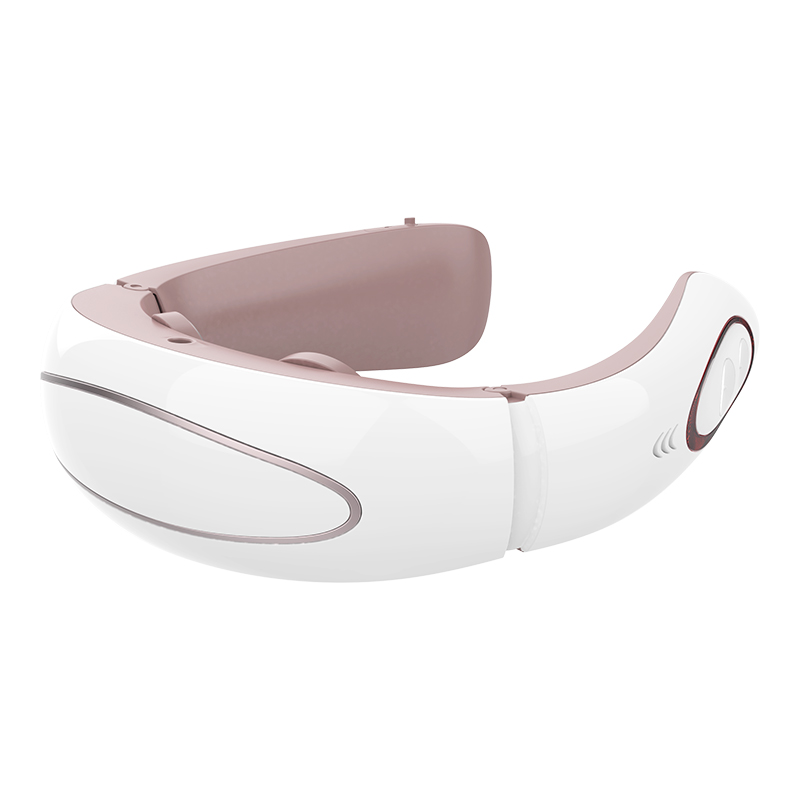 KBN-118 Portable Mini Neck Massager for Office Workers
-
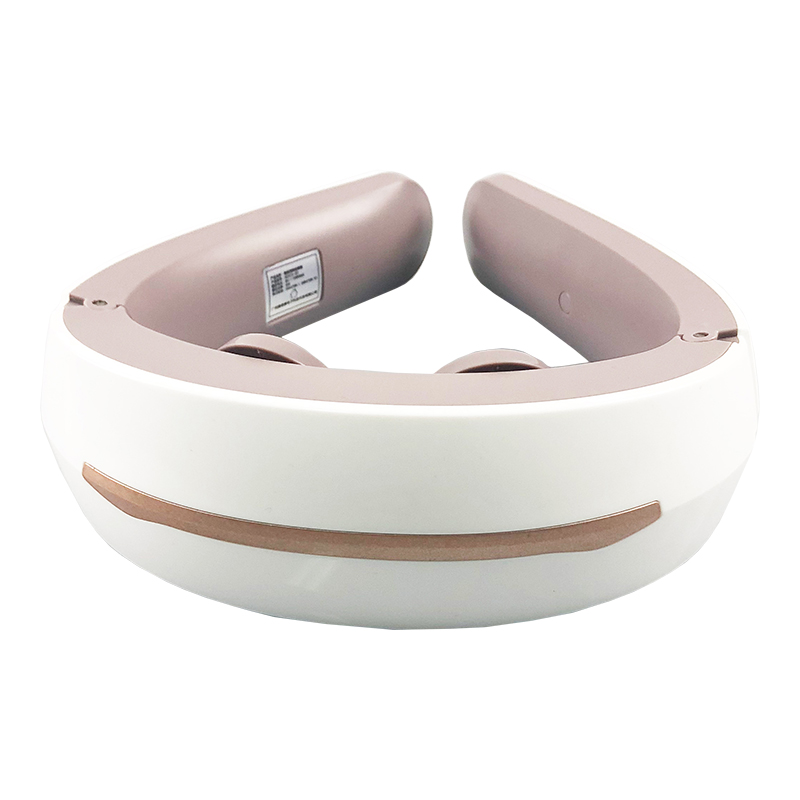 KBN-117 Cordless Rechargeable Neck Massager for Shoulder and Back
-
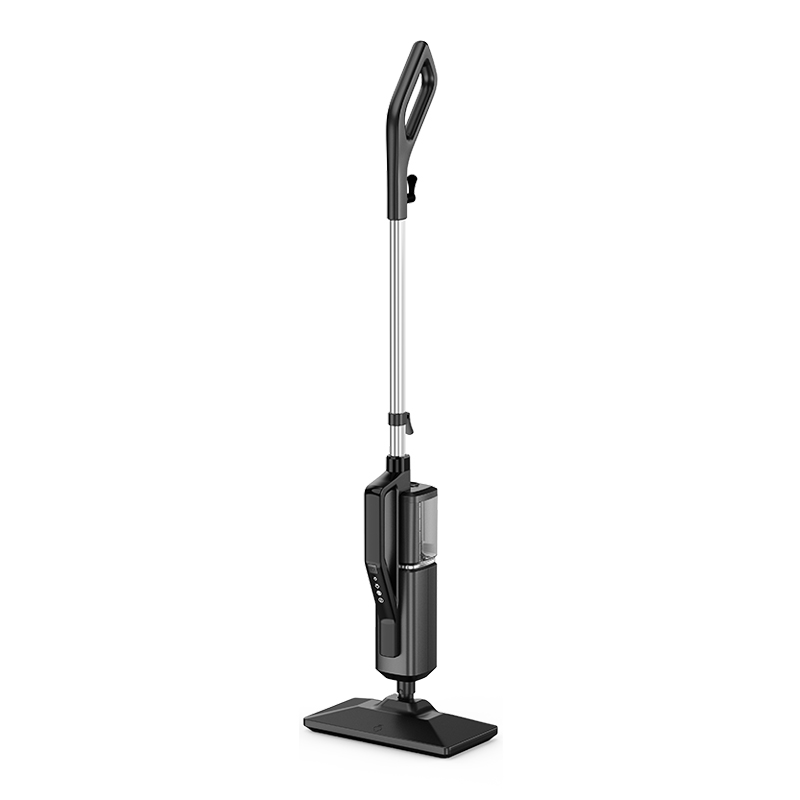 XY-617 High-Power Multifunctional Steam Mop Cleaner Portable for Home and Office Cleaning
-
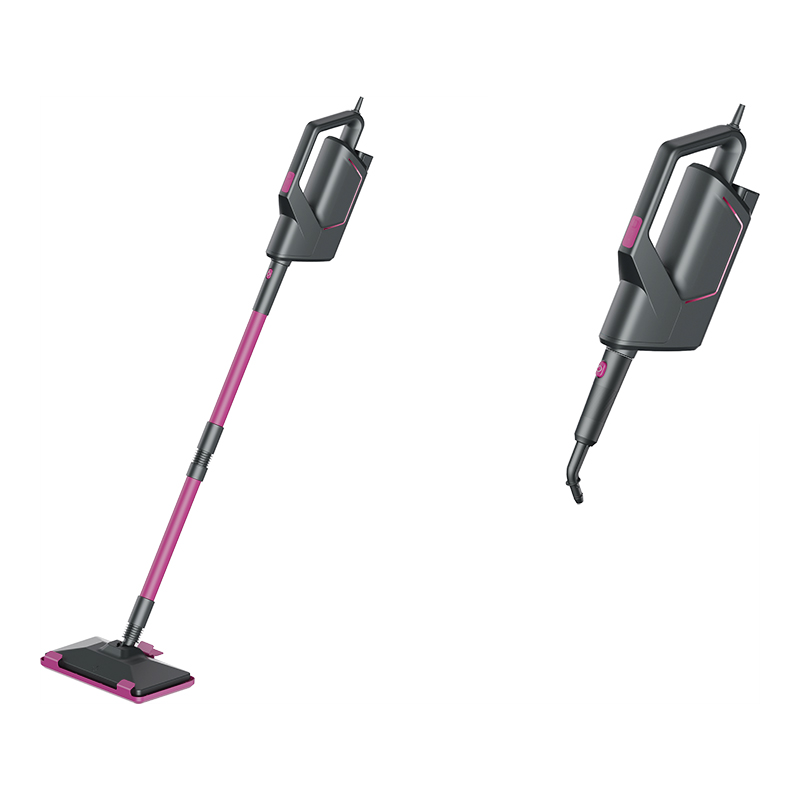 XY-614 Portable Multifunctional Steam Mop 1500W for Home and Hotel Cleaning
-
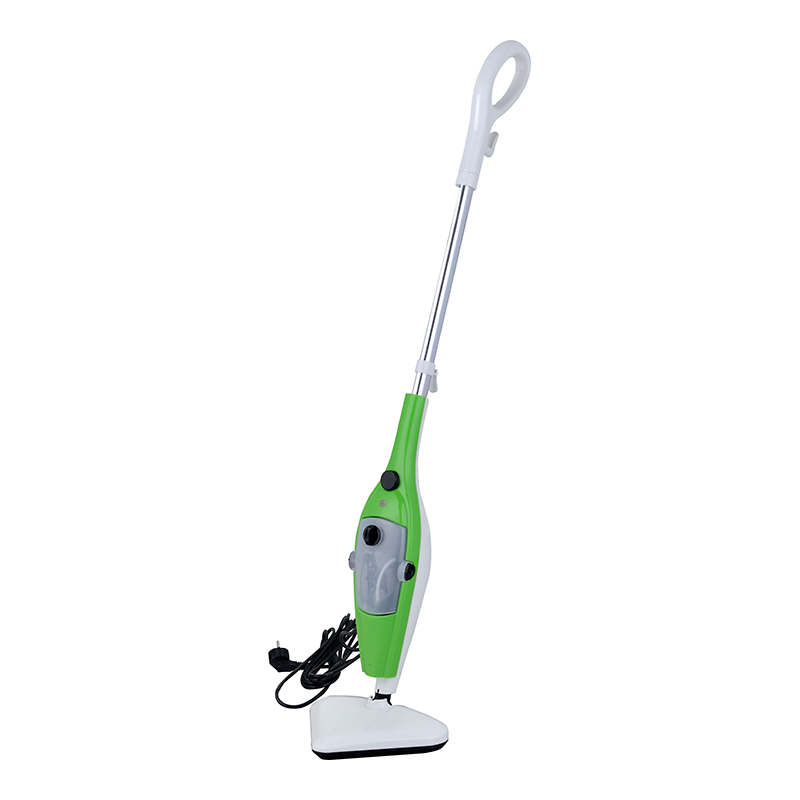 XY-305 Portable Electric Multifunctional Steam Mop with Adjustable Steam for Household Cleaning
-
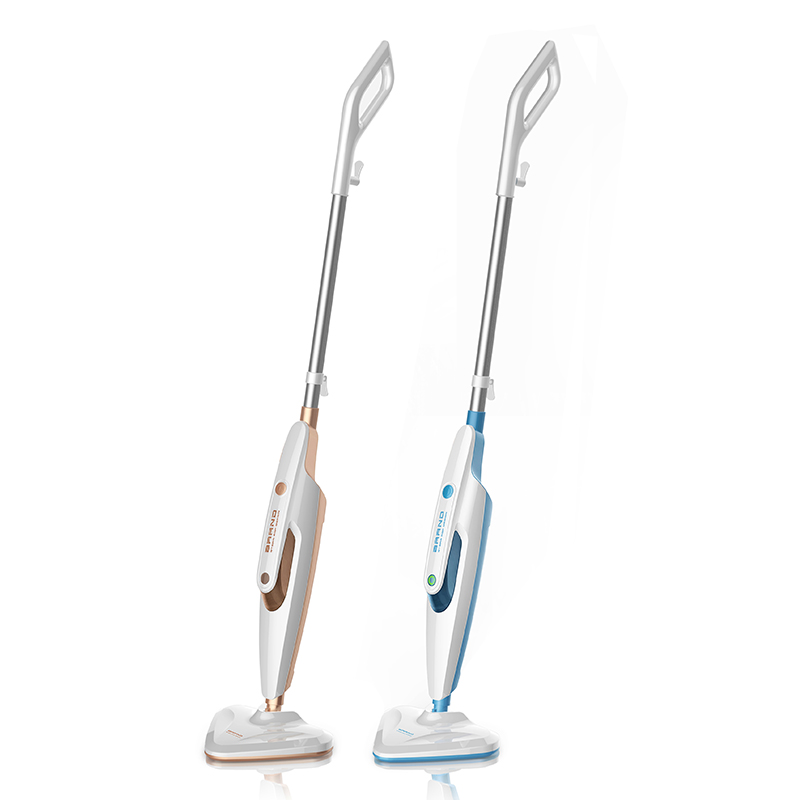 XY-318 Lightweight Steam Mop Cleaner for Residential and Commercial Cleaning
- The Real Benefits of a Neck Massager: What Buyers and Sourcing Teams Should Know
- Vacuums for Pet Hair: A Practical Buying Guide for Homes and OEM Buyers
- China Multifunctional Steam Mop Factory: OEM, ODM and Wholesale Guide
- China Home Cleaning Appliances Manufacturer: OEM and ODM Guide
- China Steam Mop and Steam Cleaner Supplier: OEM, ODM and Custom

- CONTACT INFORMATION
-
-
 +86-574-23889768
+86-15867411256
Got questions? Call us 24/7 -
 sales@nbyuexiang.com
Contact us now for a quote -
 Building 10, Wanyang (Henghe) Entrepreneurial City, Henghe Town, Cixi City, Ningbo,China(P.C.:315318)
-
- GET TOUCH
