
 English
 русский


The Real Benefits of a Neck Massager: What Buyers and Sourcing Teams Should Know
Most people who start looking into the benefits of a neck massager already know exactly where the problem sits. It is the band of muscle at the base of the neck that tightens during a long call, the shoulder that aches after a shift, or the dull headache that shows up around four in the afternoon and quietly disappears once they lie down.
Here is the practical answer first. A well-built neck massager reliably helps with three things: short-term muscle tension, stiffness that builds up after long static postures, and the wind-down feeling that makes it easier to settle at night. It does not correct posture, treat a disc problem or replace medical care. Whether you actually feel those three things depends far more on node shape, heat control and fit than on how many modes are printed on the box.
This article comes from the manufacturing side. Ningbo Yuexiang Electric Appliance Co., Ltd. builds household appliances in Cixi, Ningbo, including two neck massagers: a cordless rechargeable model designed for shoulder and back work, and a portable mini unit aimed at office users. The points below come from that product development work and from the questions distributors, retail buyers and private-label customers ask before they commit to an order.
If you are a consumer, read this as a checklist for what to test in the shop or during the return window. If you are sourcing, read it as a checklist for what to specify before tooling starts, because most complaints that arrive six months after launch trace back to a decision made at the sample stage.
What the Benefits of a Neck Massager Actually Do for the Body
It is easier to judge a device once you understand what it physically does. A neck massager is not a painkiller and it is not a medical treatment. It works through three plain mechanisms, and each one behaves differently in use.
Mechanical pressure and kneading
Rotating nodes or a kneading plate press into the muscle beside the spine and across the top of the shoulder, then release. That push-and-release cycle is what most people describe as the massage itself. It creates local pressure that the nervous system reads as deep touch, and it moves fluid through tissue that has been held still for too long. The result is the familiar loosening sensation, and it usually arrives within the first two or three minutes rather than at the end of a session.
This is also why shape matters more than power. A node with a rounded profile spreads pressure across a wider area. A sharp or overly small node concentrates force into a narrow point, which feels intense for ten seconds and uncomfortable for the next ten minutes. On a cordless rechargeable neck massager, the node geometry is fixed, so it is the single most important thing to evaluate before buying or before signing off a sample.
Heat, and why it changes the experience
Warmth relaxes muscle tissue and raises blood flow near the skin surface. On its own, that is a mild effect. Combined with kneading, it changes how the same pressure feels: the muscle gives way sooner, so the device can work at a lower intensity and still produce a clear result. For anyone who finds mechanical pressure uncomfortable on a cold morning, heat is often the feature that makes the device usable rather than something they avoid.
The engineering detail that matters here is control, not peak temperature. A surface that climbs quickly and then keeps climbing is a problem. Look for a heat stage that reaches a steady, comfortable level within a few minutes and stays there, with an automatic cut-off if the session runs long.
Why the effect arrives fast and fades fast
None of these mechanisms change the underlying cause. If you spend nine hours a day with your head forward and your shoulders rounded, the tension will return. That is not a failure of the product; it is how muscles behave. The realistic expectation is a device that gives reliable relief on demand, several times a day if needed, and that fits into a routine you will actually keep.
The Benefits People Notice First
Ask a hundred users what changed after two weeks and the answers cluster tightly. Almost nobody mentions the specification sheet. They mention specific moments in the day.
Tension that lets go within a few minutes
The most common report is that the muscle across the top of the shoulder softens after five to ten minutes of use. People describe it as the shoulder dropping, or as being able to turn the head without the pull that was there in the morning. This is the core benefit and the one worth judging a device on during a trial.
Headaches that begin at the neck
A large share of afternoon headaches start in the neck and the back of the skull rather than in the head itself. When the upper neck muscles stay contracted for hours, the tightness refers upward. Users who massage that area early, before the ache settles in, often report shorter and milder episodes. It is not a treatment for headaches in general, and anyone with a diagnosed condition should be talking to a clinician, but for ordinary end-of-day tightness the effect is one of the reasons people keep the device on the desk rather than in a drawer.
Warmer tissue and easier movement
Range of motion improves noticeably in the minutes after a session. Turning to check a blind spot, looking up at a shelf, or simply sitting up straight feels less restricted. For drivers and for anyone working at height this is a small but practical gain, and it is the benefit most often mentioned by users over fifty.
A steadier evening and easier sleep
People who carry tension in the neck and shoulders often carry it into bed. A short session before sleep, at low intensity with heat on, gives the body a clear signal to slow down. Users rarely describe it as a sleep aid, but many describe the transition into sleep as shorter and less restless.
Less fidgeting during the workday
The least obvious benefit is the one that shows up in output. When the neck is uncomfortable, people shift position, stand up, stretch and lose focus. A two-minute reset in the middle of a task often buys an hour of steadier concentration. That is a soft benefit and hard to measure, but it is the reason compact units end up living on office desks.
How Long Each Benefit Takes: Session Length by Situation
Session length is where most discomfort with a neck massager comes from, in both directions. Ten minutes at moderate intensity is enough for routine tightness, while a longer session is better suited to recovery after physical effort. The chart below shows the starting points we normally suggest to buyers when they are writing user instructions.
Suggested session length by situation (minutes)
These figures are starting points rather than limits, and they scale with intensity. A gentle setting can run longer than a firm one, and a heated session usually feels satisfying sooner than an unheated one at the same pressure. For a compact portable mini neck massager used at a desk, eight to ten minutes is normally enough because the wearer is sitting still and the muscle is already warm from indoor clothing. For a cordless rechargeable neck massager used on the shoulder and upper back after sport, fifteen minutes covers a wider area without overworking one spot.
Two rules keep sessions comfortable. First, stop before the area feels tender rather than after. Second, leave at least an hour between sessions on the same spot. Sensitivity varies a lot between users, so the instruction sheet should give a range and a clear stop signal rather than a single fixed number. This is also something OEM and ODM buyers can adjust per market: European and North American retail packaging often carries more conservative guidance than the domestic version of the same product.
The Features That Decide Whether You Feel Anything at All
Two devices can look identical in a product photo and feel completely different in use. The gap almost always comes down to five details.
Node shape and travel
Rounded nodes with a modest travel distance suit most users. Deep, aggressive nodes feel impressive for the first minute and are then avoided. A useful test is to run the device on your own neck at the lowest setting for five minutes and ask whether you would voluntarily repeat it that evening.
Heat control
Look for a stable, moderate surface temperature and an automatic shut-off. Heat that keeps rising is a safety issue, and heat that is barely detectable is a marketing feature rather than a real one.
Coverage from neck into the upper back
Tension rarely stops at the neck. A device that reaches the top of the shoulder blades and the upper back gets used more often, because it addresses the area where the tightness actually accumulates. This is the main argument for a wrap-style cordless rechargeable neck massager over a small handheld unit for home use.
Weight, fit and pressure
A heavier unit that hangs from the neck becomes uncomfortable within ten minutes, whatever the massage quality. Weight distribution matters more than total weight. For a portable unit, the aim is something a user forgets they are wearing.
Controls, battery and noise
Controls should work without looking. Battery life should cover several sessions between charges, and the charging port should be one the user already owns a cable for. Noise matters most in offices: anything above a quiet conversation will stop people using it at their desk.
| Format | Best suited to | Typical session | Main strength | Main limitation |
|---|---|---|---|---|
| Cordless rechargeable wrap | Home, shoulder and upper back | 10 to 20 minutes | Wide coverage with hands free | Heavier than a mini unit |
| Portable mini neck unit | Office desks, travel, commuting | 8 to 12 minutes | Light, quiet, easy to keep nearby | Narrower contact area |
| Pulse or EMS pad | Very light, targeted relief | 15 minutes | No mechanical pressure on the skin | Sensation is not for everyone |
| Shiatsu pillow | Seated use at home | 15 to 20 minutes | Strong deep pressure | Requires leaning back to stay in place |
Matching the Device to the Way You Actually Work
Most purchase mistakes are not about quality. They are about picking a format that does not fit the moment it was meant for. Someone who works at a desk all day needs something light enough to keep within reach and quiet enough to run during a call. Someone who carries tension across the shoulder blades after physical work needs coverage more than portability.
For the second group, a wrap that sits across the shoulders and reaches the upper back does more useful work than a small unit that only touches the neck. A model like the KBN117 cordless rechargeable neck massager is designed around that shape of use: it does not need to be held in place, so the arms stay relaxed while the nodes work, which is the whole point of a hands-free session.
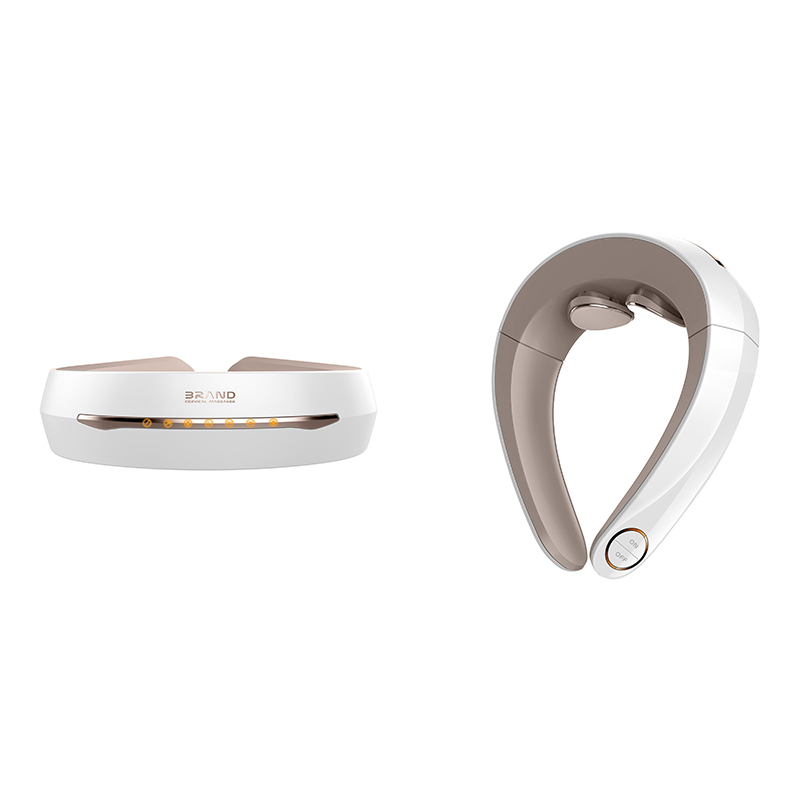 KBN-117 Cordless Rechargeable Neck MassagerWearable cordless neck massager with U-shape, heat, 12 intensities, and auto-off for hands-free shoulder and back sessions.View Product →
For the first group, weight and noise decide whether the device is ever used. A unit that has to be carried home every evening is a unit that stays in a bag. A compact model such as the KBN118 portable mini neck massager is built for that pattern: it is small enough to sit beside a keyboard, and sessions stay in the eight to twelve minute range, which fits between tasks without becoming a break in itself.
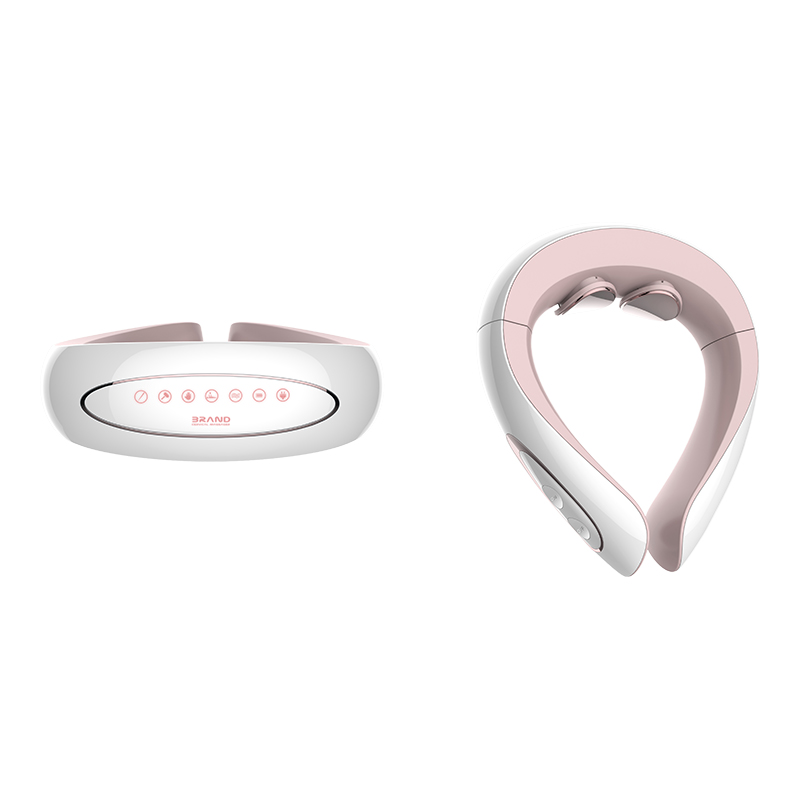 KBN-118 Portable Mini Shiatsu Neck MassagerCompact shiatsu neck massager with optional heat, three speeds, and a 15-minute auto-off for short desk-side or home sessions.View Product →
There is a third pattern worth naming, because it affects both consumers and buyers. Some households want one device that everyone can use in the evening. That points toward a wrap-style unit with a clear, simple intensity control and a heat stage that can be switched off for users who do not want it. Simplicity is underrated here: a control panel with five modes and three timers gets used on one setting anyway, and every extra option is another thing to test and another thing to fail in the field.
Benefits by User: Who Gets the Most Out of One
The value of a neck massager varies quite a lot between users. These are the groups who report the clearest gains, in rough order of how often we hear about them.
- Desk and office workers who hold the head forward for long stretches and feel tightness by mid-afternoon.
- Drivers and delivery staff, where long hours of vibration and a fixed head position leave the upper neck stiff at the end of a shift.
- People who travel frequently and sleep on unfamiliar pillows, and for whom a portable unit packs easily.
- Gym, running and cycling users dealing with post-training tightness across the top of the shoulders.
- Older users who want gentle warmth and light pressure in the evening rather than deep mechanical work.
- Gift buyers looking for a practical item for a parent or a colleague, where simplicity and safety matter more than performance.
The groups that get less from it are equally worth naming. Anyone whose discomfort comes from an acute injury, a diagnosed condition or nerve symptoms should be following clinical advice rather than shopping. People who dislike firm pressure on the neck often do better with a heat-only approach or a pulse pad. And anyone expecting a permanent change will be disappointed by every device on the market, not just this one.
Where the Benefits Stop: Limits and Safety
Being straight about limits is part of a good product. A neck massager is a comfort appliance, and it should be described as one on the packaging.
- It does not treat disc problems, nerve compression or joint disease, and it should not be marketed as if it does.
- It should not be used on broken, inflamed or infected skin, or over an area that is still painful from a recent injury.
- Users with a pacemaker or similar implanted device should check with a clinician before using any electrical or pulse-based product.
- Sessions should stop before the area becomes tender, and pressure should never be increased to the point of pain.
- Pregnant users, and anyone under medical care for a neck or shoulder condition, should ask before regular use.
- Heat stages need an automatic cut-off, and the device should switch off by itself when the session timer ends.
These points belong in the instruction manual in plain language, not in small print at the back. In our experience, a clear limitations section reduces returns rather than damaging sales, because it sets an expectation the product can actually meet.
What Distributors and Private-Label Buyers Should Check Before Ordering
On the sourcing side, the benefits of a neck massager are only as good as the consistency behind it. A sample that feels excellent and a container that arrives with ten percent variance are two different products, and the difference is settled long before production starts.
Ask about the manufacturing base, not just the trading office
A supplier that owns its tooling, injection moulding and assembly lines can hold tolerances across repeat orders and can change a node profile or a housing colour without rebuilding the supply chain. Ningbo Yuexiang Electric Appliance Co., Ltd. operates an in-house mould workshop, injection moulding machines and product assembly lines at its site in Cixi, Ningbo, which is what allows OEM and ODM work to move from drawing to sample without an intermediary.
Confirm the certification set for each destination market
Neck massagers sit close to the body and often include a heating element and a rechargeable battery, so they attract more scrutiny than a simple appliance. Certifications held across the range include GS, CE, RoHS, FCC, UL, PSE and SAA, which covers the main requirements for Europe, North America, Japan and Australia. Buyers should confirm which certificates apply to the exact model and voltage version they are ordering, and should ask for the test reports rather than a logo on a page.
Specify the details that drive returns
Battery runtime under real load, charge time, USB connector type, noise level at one metre, surface temperature at each heat stage, automatic shut-off behaviour, housing material and finish, and the exact wording of the instruction manual. These are the items that generate customer service tickets, and each one is cheaper to fix at the sample stage than after the container ships.
Plan packaging and documentation for the target market
Retail packaging, translated manuals, warranty cards and language variants are part of the product. So is the choice between a retail-ready box and a plain carton for online sellers. A supplier used to exporting to more than thirty countries will already have templates for this, which shortens the timeline considerably.
Agree on the commercial basics early
Minimum order quantities, colour and logo options, sample lead time, production lead time, inspection arrangements and spare parts policy should all be in writing before tooling. A wholesaler ordering for a seasonal promotion needs a different schedule from a brand building a long-term line, and the factory plan should reflect which one you are.
Questions Buyers Ask Most
What are the main benefits of a neck massager?
Short-term relief from muscle tension across the neck and shoulders, easier movement after long periods in one position, warmth that makes the tissue feel looser, and a wind-down effect in the evening. It is a comfort product for routine tightness, not a treatment for a medical condition.
How long should I use a neck massager each day?
Eight to fifteen minutes per session suits most people, with a maximum of around twenty minutes at low intensity. Two or three short sessions spread through the day generally feel better than one long one.
Can I use a neck massager every day?
Yes, for routine tightness. Leave an hour or so between sessions on the same area, keep the intensity comfortable, and stop if the skin feels irritated or the muscle becomes tender.
Do the benefits last after I stop using it?
The relief from a single session typically lasts from a few hours to most of a day, depending on what you do afterwards. The underlying cause, usually posture and workload, does not change on its own.
Is heat necessary, or is it just a nice extra?
It is more than an extra for many users. Heat lets the muscle release at lower mechanical pressure, which makes the device comfortable for people who dislike firm kneading. It is worth having, provided the temperature is stable and the unit shuts off automatically.
Can a neck massager help with tension headaches?
For headaches that clearly begin in the neck and back of the skull, massaging that area early often shortens the episode. Headaches with other causes need medical assessment, and a massager is not a substitute for that.
Are neck massagers suitable for older users?
Generally yes, at low intensity and with heat. Users with osteoporosis, a history of neck injury, or an implanted device should check with a clinician first, and the instruction manual should say so clearly.
What is the difference between a neck massager and a body massager?
A neck massager is shaped and weighted for the curve of the neck and shoulders, and its nodes are sized for smaller muscle groups. A body massager delivers force over a wider area and usually needs to be held, which makes it harder to use hands-free on the neck.
How do I choose between a cordless rechargeable unit and a mini portable one?
Choose the wrap style if you want shoulder and upper back coverage at home. Choose the mini unit if you want something quiet and light enough to keep at a desk or in a bag. Many households end up with one of each for exactly this reason.
What should a wholesaler check before placing a first order?
The certification set for the destination market, battery runtime under real load, heat stage stability, noise level, packaging and manual language, minimum order quantity, and the supplier's ability to repeat the same specification on the next order.
More From Our Factory
If you are evaluating a neck massager for retail, private label or distribution, these pages cover the next steps.
Ningbo Yuexiang Electric Appliance Co., Ltd. has been manufacturing household appliances since 2008, exporting to more than thirty countries across Europe, North America and Southeast Asia. The product range covers steam mops, steam cleaners, pet appliances and neck massagers, with OEM and ODM work supported by in-house tooling and engineering.
The Short Version
If you remember one thing from this article, make it this: a neck massager is worth owning for the ten minutes after a long day, and it is worth buying carefully for the same reason. Check the node shape on your own neck, confirm that the heat stage settles rather than climbs, and pick the format that matches where the device will actually live. Distributors should apply the same test at the sample stage, then lock the specification in writing so the second order matches the first.
Comfort appliances earn their reputation one session at a time. Get the basics right and the benefits of a neck massager speak for themselves, quietly, from the corner of a desk or the arm of a sofa.
-
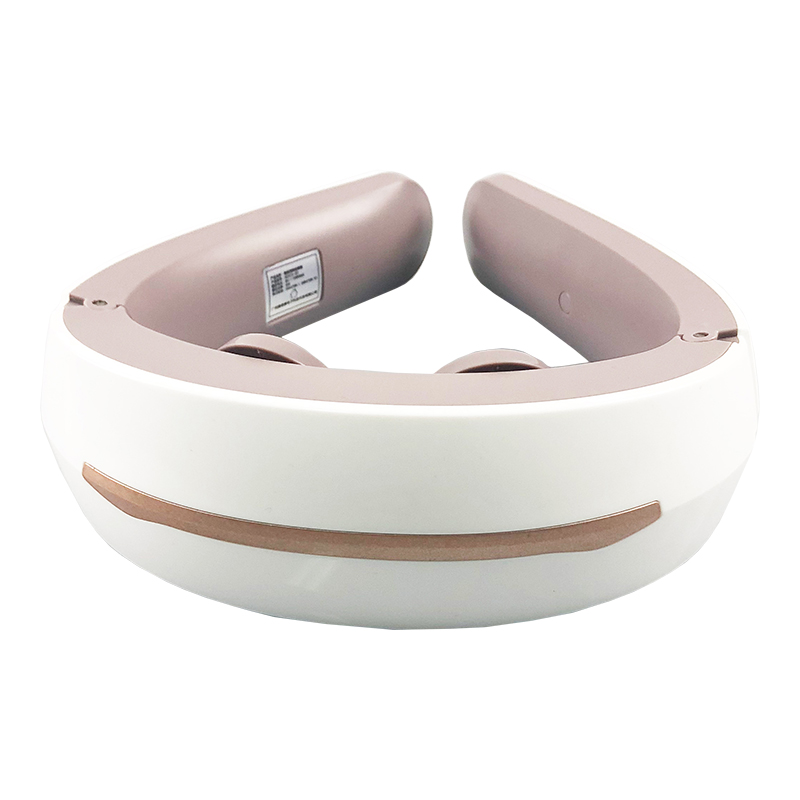 KBN-117 Cordless Rechargeable Neck Massager for Shoulder and Back
-
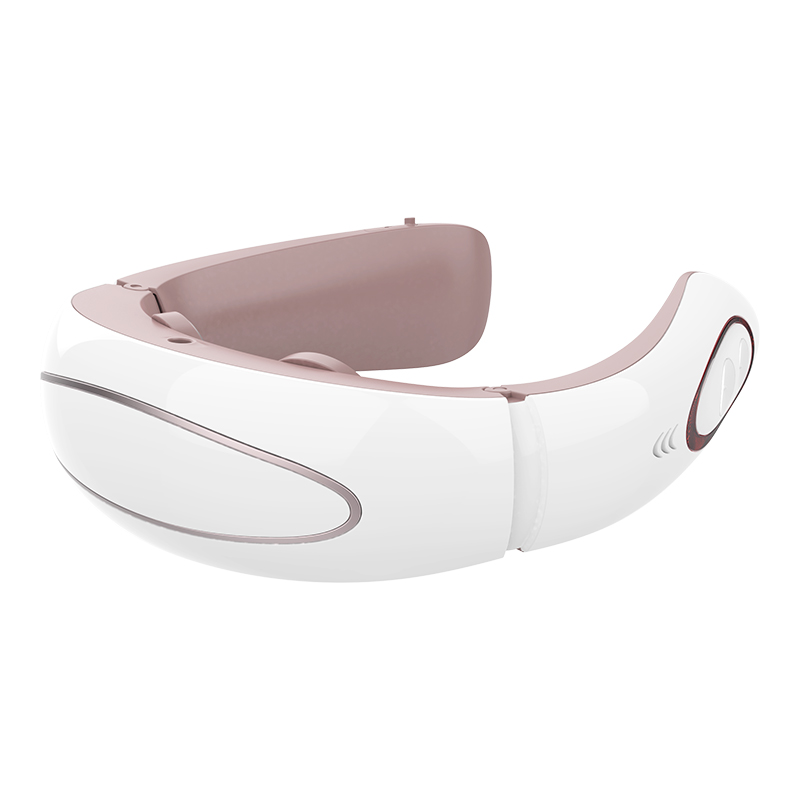 KBN-118 Portable Mini Neck Massager for Office Workers
-
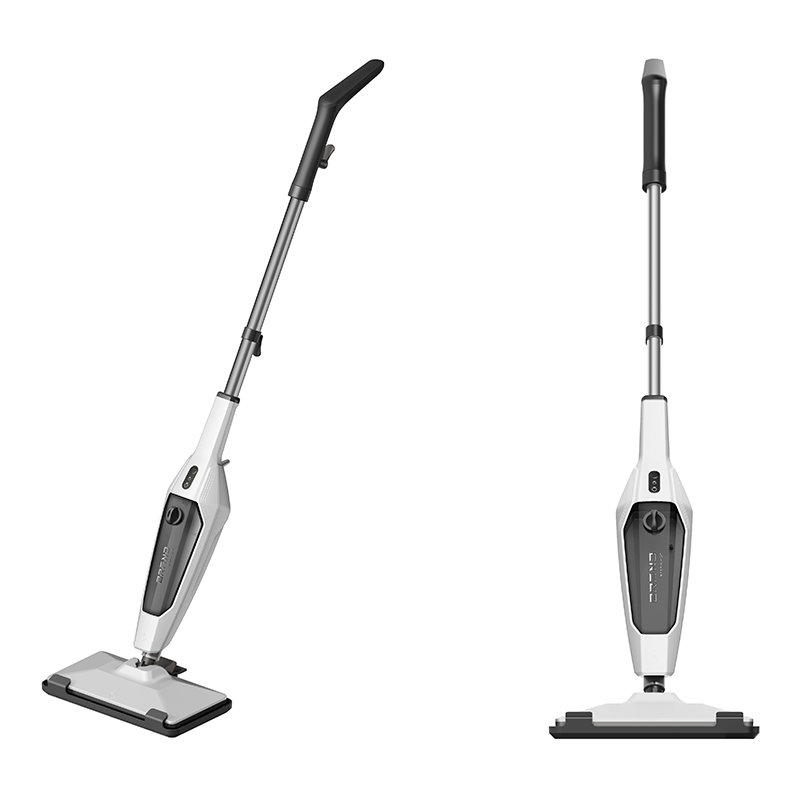 XY-611 Electric Multifunctional Steam Mop Adjustable Steam for Hardwood and Tile Floors
-
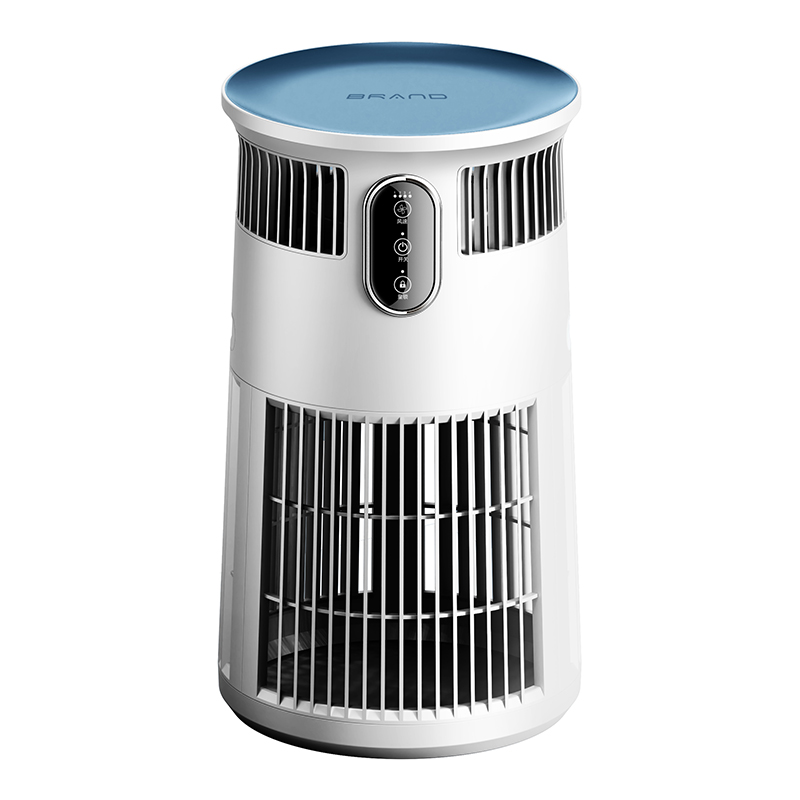 K1 Ultra-Silent HEPA Filter Pet Air Purifier for Pet Odor and Dander
-
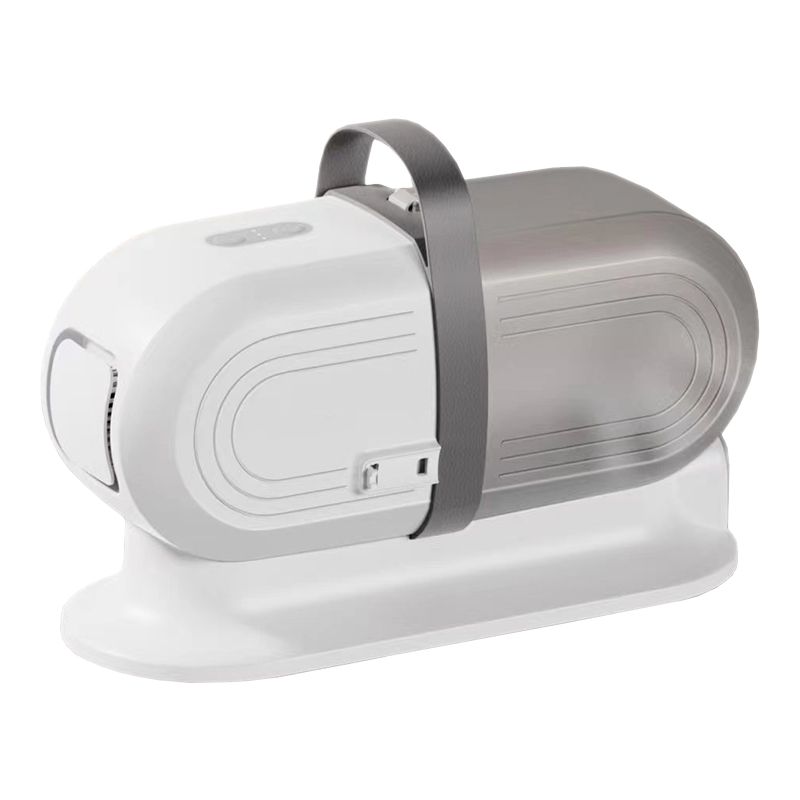 B1 Low-Noise Cordless Pet Grooming Vacuum for Dogs and Cats
-
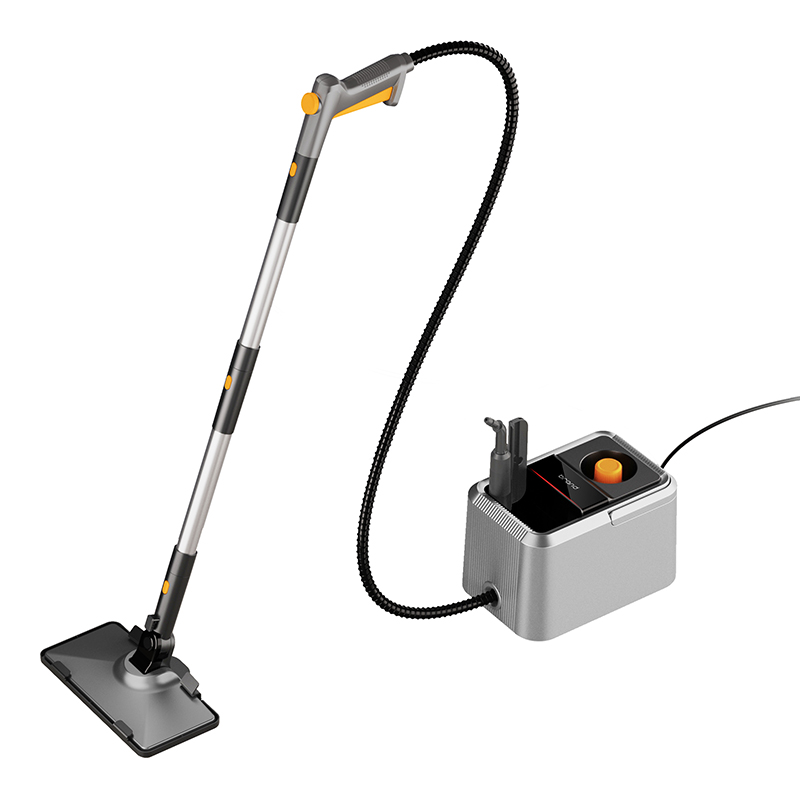 D1 Multi-Purpose Pressurized Handheld Steam Cleaner for Kitchen and Bathroom
- Portable Neck Massager Sourcing Guide for OEM Buyers and Wholesale Teams
- Steam Mop, Floor Washer and Steam Mop and Sweeper: Which Floor Cleaner Should You Source
- Vacuums for Pet Hair: A Practical Buying Guide for Homes and OEM Buyers
- Advantages of Steam Mops Compared to Regular Mops
- China Home Cleaning Appliances Manufacturer: OEM and ODM Guide

- CONTACT INFORMATION
-
-
 +86-574-23889768
+86-15867411256
Got questions? Call us 24/7 -
 sales@nbyuexiang.com
Contact us now for a quote -
 Building 10, Wanyang (Henghe) Entrepreneurial City, Henghe Town, Cixi City, Ningbo,China(P.C.:315318)
-
- GET TOUCH
