
 English
 русский


Vacuum with Strong Suction: Pressure, Airflow, and Tool Design Explained
A vacuum with strong suction can pick up a handful of rice in one pass and still leave a film of fine dust on a hard floor. That is the first surprise for many buyers. Suction is not a single number on a box; it is the result of sealed pressure, airflow, floor tool design, and how well the machine holds that pressure as the filter loads. You can feel strong suction at the nozzle and still miss embedded grit if the airflow cannot carry it into the bin.
This guide explains what strong suction really means, how to compare specifications without getting fooled, and which cleaning tasks demand more from the vacuum. It also shows how Yuexiang builds suction-led cleaning products for homes, hotels, and pet owners, and what OEM and wholesale buyers should check before placing an order. The goal is not to chase the highest number on a spec sheet, but to choose a machine that keeps its suction where the dirt is.
Why Suction Alone Does Not Guarantee Cleaning Performance
Imagine two vacuums. One pulls 20 kPa at the nozzle with a clean filter; the other pulls 18 kPa but holds 95% of that pressure as the bin fills. On a carpet embedded with pet hair and sand, the second machine often cleans better after five minutes of use. Peak suction measured in a lab tells you what the motor can do for a few seconds. Usable suction tells you what the vacuum can do across a room.
Three measurements describe suction in different ways. Sealed suction measures how much vacuum the motor can pull when the nozzle is blocked. Airflow measures how much air moves through the system, usually in cubic feet per minute (CFM). Air watts combine pressure and airflow into one power figure. None of these tells the whole story by itself. A vacuum with high sealed suction but low airflow may struggle to lift sand from a hard floor because the air cannot carry the particles. A vacuum with high airflow but poor sealing may lose pressure at the floor head and leave dust behind.
Tool design changes the result again. A powered brush roll agitates carpet fibers and frees embedded dirt so suction can capture it. A hard-floor tool with a soft brush and a narrow slit concentrates airflow where it matters. A pet grooming tool uses a different comb and airflow path to collect hair without tangling. That is why a vacuum with strong suction can underperform on one surface and excel on another. The same motor can feel weak on a thick rug and strong on a bare floor because the resistance and the sealing are different.
Another factor is the difference between lab conditions and real homes. Lab tests often use a clean filter, a fully charged battery, and a standardized floor. Real homes have hair wrapped around brush rolls, dust caked in filters, and furniture that blocks the airflow path. A vacuum that performs well in a lab but loses suction quickly in a home is not a strong suction vacuum in practice. Buyers should look for designs that maintain airflow as the filter loads, such as cyclonic separators or large pre-motor filters.
| Metric | Unit | What it measures | Typical range | Why it matters |
|---|---|---|---|---|
| Sealed suction | kPa or inches of water lift | Maximum pressure drop with a blocked nozzle | 15–25 kPa for household vacuums | Shows the motor's pulling strength, but not sustained airflow |
| Airflow | CFM (cubic feet per minute) | Volume of air moving through the vacuum | 50–120 CFM depending on design | Moves debris through the hose and into the bin |
| Air watts | AW | Combined suction power (pressure times airflow) | 100–300 AW for corded uprights | Useful for comparing motors, but ignores tool and filter losses |
| Usable suction | kPa at the floor head | Pressure after hose, filter, and tool losses | 10–20 kPa in normal use | Closest to what you feel when cleaning |
For buyers, the lesson is to ask for usable suction data, not just motor specifications. For manufacturers, the lesson is to design the entire air path, from the motor housing to the floor tool, so that pressure and airflow stay balanced as the filter loads. A motor with high peak power can be wasted if the hose is too narrow or the bin seal leaks.
How to Read Suction Specifications Without Getting Fooled
Specification sheets love large numbers. A claim of “30 kPa” or “200 air watts” can sound impressive, but it means little without context. Start by identifying the measurement point. Is the figure taken at the motor inlet, at the hose end, or at the floor nozzle? A motor-inlet number can be twice as high as a floor-head number because the hose, filter, and tool reduce pressure. Some brands quote motor power in watts, which is not suction at all; a 1,500 W motor can produce less usable suction than an 800 W motor if the air path is poorly designed.
Next, look for airflow. A vacuum that moves a lot of air at moderate pressure often cleans hard floors and large debris better than a high-pressure, low-airflow design. Pet hair on carpet needs a balance: enough airflow to pull hair into the stream and enough pressure to overcome the resistance of the carpet fibers. Fine dust on hard floors needs high airflow at the floor head and a sealed brush housing so particles do not escape. If a specification sheet lists only one number, ask for the other; pressure without airflow is like a car with torque but no gears.
Finally, check how the vacuum maintains suction as the bin fills and the filter loads. A machine with a washable pre-motor filter and a well-sealed bin can hold suction longer than a machine with a small filter that clogs quickly. That is why two vacuums with the same motor can feel very different after ten minutes of cleaning. The difference is not the motor; it is the filter area and the sealing.
- Sealed pressure: Look for at least 15 kPa at the floor head for carpet cleaning, and 10–12 kPa for hard floors.
- Airflow: Around 50–70 CFM is adequate for hard floors and low-pile carpet; 70–90 CFM gives more margin for pet hair and deep-pile rugs.
- Filter loading: A large pre-filter and a cyclonic separator help maintain suction longer between cleanings.
- Tool sealing: A brush housing with flexible seals and a clear airflow path keeps pressure where it is needed.
- Hose and wand: A smooth inner wall and minimal bends reduce pressure loss before the air reaches the floor.
These numbers are starting points, not guarantees. A well-designed 12 kPa hard-floor tool can outperform a poorly sealed 20 kPa tool because the airflow stays focused at the cleaning edge. The only reliable comparison is a test on the surface you plan to clean, with the tool you plan to use. For a retailer or wholesaler, that means asking the manufacturer for a demonstration on the floor types your customers actually have.
Matching Suction Strength to the Mess in Front of You
Different messes demand different suction profiles. A vacuum that excels at pet hair on carpet may leave fine flour on a tile floor because the brush scatters the powder before airflow can capture it. A hard-floor vacuum with a soft roller may glide over rice without lifting it. The chart below shows relative suction demand for common cleaning tasks, based on the resistance of the surface and the weight of the debris. These scores are illustrative, but they help explain why a single “best” vacuum does not exist for every home.
The chart is not a specification for any single product. It is a way to think about where suction pressure and airflow need to work together. Pet hair on carpet scores high because the hair wraps around fibers and needs agitation plus airflow to release. Embedded dirt in rugs also scores high because the brush must loosen particles before suction can carry them away. Fine dust on hard floors scores lower for pressure but still needs steady airflow and a sealed tool so dust does not escape back into the room.
Yuexiang uses this task-based thinking in its product range. The XY202 powerful suction steam mop and sweeper is designed for carpet and multi-surface cleaning, combining steam to loosen dirt with suction to capture it. The B1 low-noise cordless pet grooming vacuum focuses on pet hair collection with a quieter motor and a grooming tool that keeps hair from tangling. The XY900 multisurface cordless wet-dry self-cleaning floor washer uses suction to pull dirty water from hard floors while a roller brush scrubs the surface. Each product solves a different suction problem rather than chasing a single peak number.
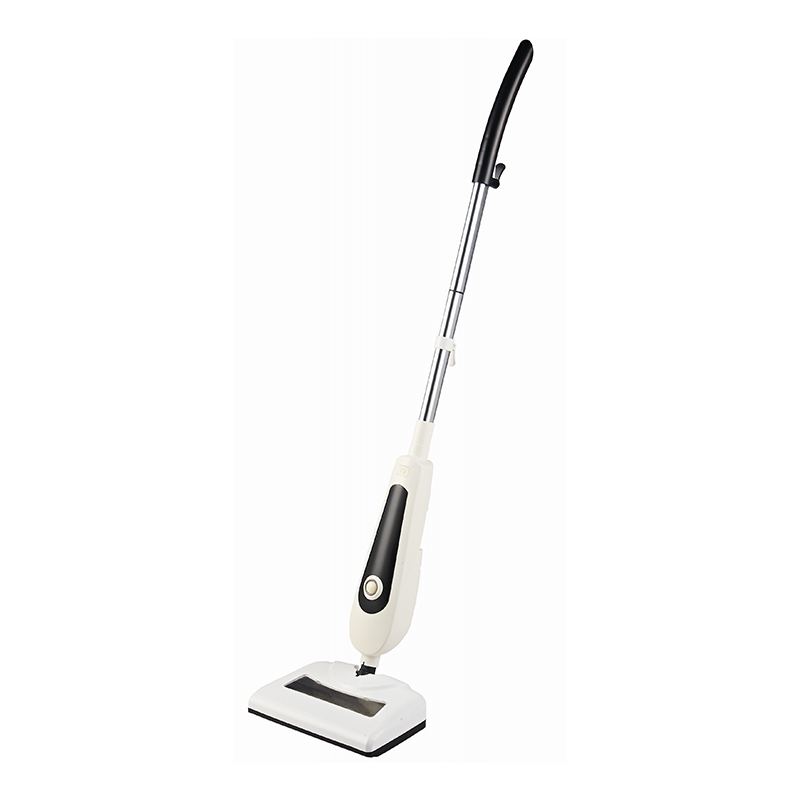 XY-202 Steam Mop and Sweeper for Carpet and HardwoodCombines dry sweeping with high-temperature steam for hardwood, tile, laminate, vinyl, marble, and low-pile carpet, with large tanks and adjustable settings.View Product →
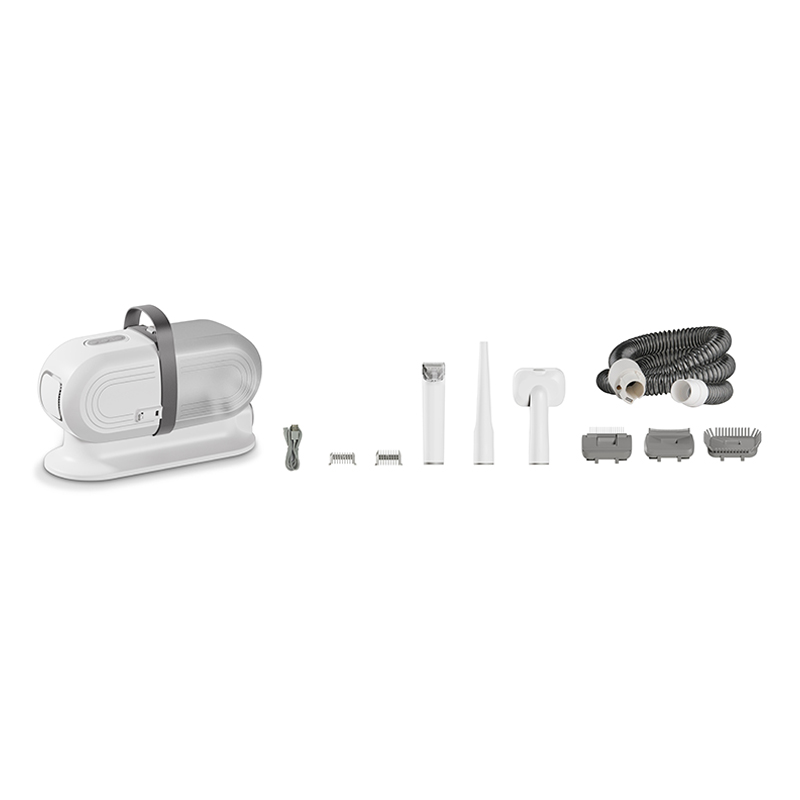 B1 Low-Noise Cordless Pet Grooming VacuumCaptures shed pet hair directly into a sealed 2L dustbin while grooming, with low-noise operation, five attachments, HEPA filtration, and 1.8kg portability.View Product →
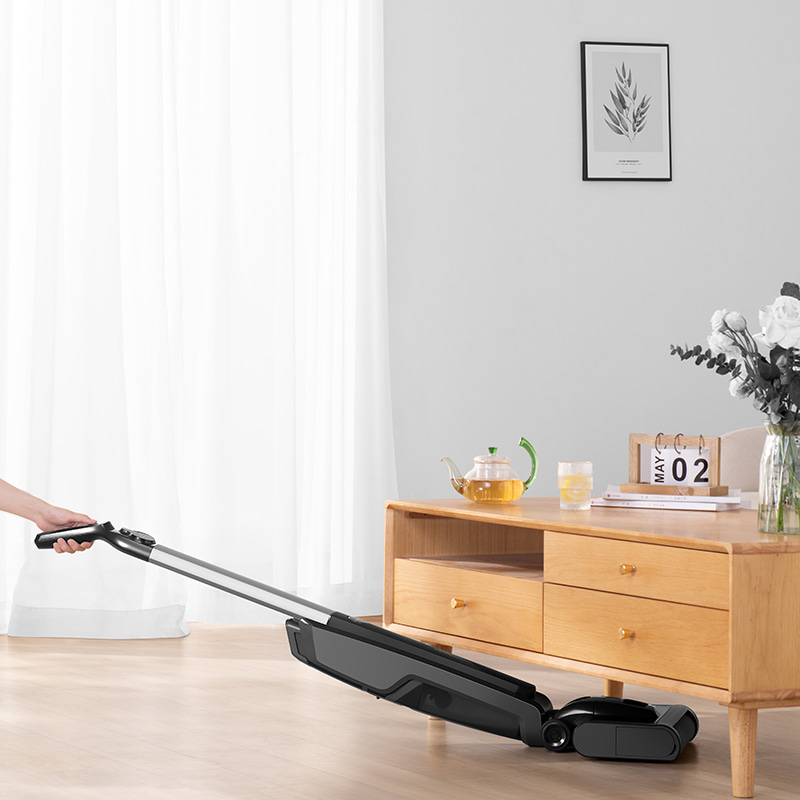 XY-900 Cordless Wet-Dry Self-Cleaning Floor WasherWashes, scrubs, and suction-dries hard floors in one pass with dual tanks, self-cleaning brush roll, and edge cleaning for baseboards.View Product →
For buyers sourcing for a specific market, the takeaway is to match the product to the dominant cleaning task. A pet-heavy household needs strong suction at the grooming tool and a brush roll that resists hair wrap. A hotel with hard floors needs a floor washer with reliable water recovery and a suction path that does not leave streaks. A home with area rugs needs a machine that can maintain airflow through a dense brush housing. In each case, the definition of strong suction changes with the surface.
Design Details That Preserve Suction Over Time
A vacuum with strong suction when new can lose that strength in a few weeks if the air path is poorly sealed or the filter clogs quickly. Three design details matter more than most buyers realize: filter surface area, bin sealing, and hose diameter. A fourth is motor cooling: a motor that overheats will reduce power to protect itself, which feels like weak suction after a few minutes of use.
Filter surface area determines how long the vacuum can breathe. A small filter loads with fine dust and restricts airflow, which reduces suction at the floor head. A larger filter, or a cyclonic separator that spins dust out of the air stream before it reaches the filter, keeps airflow higher for longer. Bin sealing matters because any leak between the bin and the motor housing bypasses the floor nozzle and reduces pressure. Hose diameter matters because a narrow hose increases air velocity but reduces total airflow; a wider hose moves more air but may feel less forceful at the tool.
Yuexiang's manufacturing setup includes an in-house mold shop, injection molding machines, and assembly lines. That vertical integration allows the company to control tolerances on parts that affect suction, such as bin seals, hose connectors, and floor-tool housings. Engineers can adjust the fit of a seal or the shape of an airflow channel without waiting for a third-party tooling supplier. For OEM and ODM projects, this control shortens development time and reduces the risk of suction loss in production units.
Maintenance design also affects suction over time. A washable pre-motor filter, a removable brush roll, and a bin that empties completely without trapping debris help users keep the vacuum working at its designed suction level. Products that are difficult to clean lose performance because users delay maintenance. Easy-clean design is not a luxury; it is a suction feature. A vacuum that takes thirty seconds to empty and two minutes to rinse will be maintained more often than one that requires tools to open.
To see how these details come together in production, you can review the factory overview and the company's injection molding and assembly capabilities. The page outlines the equipment and processes that support consistent suction performance across large production runs.
OEM and Wholesale Considerations for Suction-Driven Products
Brands and wholesalers sourcing suction cleaning products face a different set of questions than retail buyers. The first is certification. A vacuum with strong suction for the European market needs GS or CE marking, and often RoHS compliance for materials. For North America, UL or FCC requirements may apply. For Japan, PSE; for Australia, SAA. Yuexiang's products carry GS, CE, RoHS, FCC, UL, PSE, and SAA certifications, which means the company has experience preparing documentation for these markets.
The second question is customization. Can the suction level be tuned for a specific floor type? Can the floor tool be changed for a market that prefers hard floors over carpet? Can the bin size or filter type be adjusted for a local retail price point? Yuexiang welcomes OEM and ODM cooperation, and its in-house mold shop makes it possible to modify housings and tools without starting from scratch. That flexibility helps a brand differentiate its product without building a new supply chain.
The third question is consistency. A sample with strong suction is easy to produce. A production run of 10,000 units with the same suction performance is harder. Sealed pressure depends on the fit of every joint, the hardness of every seal, and the repeatability of the motor. A manufacturer with injection molding and assembly under one roof can control those variables more tightly than a company that outsources parts to multiple suppliers. Ask for a production sample, not just a golden sample, and test it on the surfaces your customers use.
Yuexiang exports to more than 30 countries across Europe, the United States, and Southeast Asia. That experience matters for wholesale buyers who need documentation, packaging, and voltage variants for different markets. The company's product range includes steam mops, steam cleaners, steam and sweeper combinations, pet grooming vacuums, and floor washers, so a buyer can build a cleaning category around several suction-led products rather than a single SKU. A coordinated range also helps with shelf space and brand consistency.
For private-label programs, discuss the packaging and manual language early. Suction performance is only one part of a successful product; the user experience of unboxing, assembling, and maintaining the vacuum also affects reviews and returns. A manufacturer that understands both the engineering and the retail context can help avoid costly surprises after the container ships.
Frequently Asked Questions About Vacuums with Strong Suction
What does “vacuum with strong suction” actually mean?
It means the vacuum can maintain enough sealed pressure and airflow at the cleaning tool to lift the debris you care about from the surface you clean. A machine with high peak suction but poor sealing or a clogged filter will not feel strong after a few minutes. Look for usable suction at the floor head and a design that holds airflow as the bin fills.
Is higher kPa always better?
Not always. kPa measures pressure, but airflow moves debris. A hard-floor vacuum with moderate pressure and high airflow can clean better than a high-pressure vacuum with restricted airflow. The right balance depends on the surface. Carpet benefits from pressure plus brush agitation; hard floors benefit from airflow plus a sealed tool.
How much suction do I need for pet hair?
Pet hair on carpet needs strong pressure to overcome fiber resistance and enough airflow to carry hair into the bin. A vacuum with at least 15 kPa at the floor head and 70 CFM or more gives useful margin. For pet grooming tools, the comb design and airflow path matter as much as the motor; a tool that lifts hair without pulling skin is safer and more effective.
Can a steam mop with suction replace a traditional vacuum?
It depends on the mess. A steam mop and sweeper combination like the XY202 is designed to loosen dirt with steam and capture it with suction, which works well for surface debris and sticky messes on hard floors and low-pile carpet. For deep carpet cleaning, a dedicated vacuum with a powered brush roll may still be necessary. Many households use both: a vacuum for dry debris and a steam-suction tool for sanitizing and refresh cleaning.
How do I keep suction strong over time?
Empty the bin before it reaches the maximum line, wash or replace the filter according to the manual, and remove hair from the brush roll. Check the seals around the bin and hose for cracks or debris. Store the vacuum with a clean filter and an empty bin. These habits matter more than the motor specification for long-term suction performance.
What should wholesalers ask a manufacturer about suction performance?
Ask for usable suction data at the floor head, airflow figures, and filter loading information. Ask how the manufacturer tests production units, not just prototypes. Confirm certification coverage for your target market and ask about tooling flexibility for different floor types. A manufacturer that can explain the air path and seal design is more likely to deliver consistent suction across a production run.
Does a corded vacuum always have stronger suction than a cordless one?
Corded vacuums can draw more power, but cordless designs have improved significantly. The key is not the power source but the efficiency of the air path and the quality of the seal. A well-designed cordless vacuum with a high-efficiency motor and a sealed bin can deliver strong suction for typical household tasks. For deep carpet cleaning or long runtimes, a corded model may still be the better choice. Match the power source to the size of the area you clean and the type of debris you face.
Strong suction is not a magic number. It is the result of a motor, a sealed air path, a filter that keeps breathing, and a tool that focuses airflow where the dirt sits. Buyers who understand that can compare products with confidence. Brands and wholesalers who understand it can specify products that perform in the market, not just on a specification sheet.
Yuexiang builds suction-led cleaning products for homes, hotels, and pet owners, with OEM and ODM support for buyers who need certification, tooling flexibility, and consistent production. If you are sourcing a vacuum with strong suction for a specific cleaning task, start with the surface and the debris, then choose the product that matches. The specification sheet is a starting point; the cleaning test is the decision.
Need a suction cleaning solution for your brand?
Talk to our team about OEM and ODM projects for steam mops, pet grooming vacuums, and floor washers. We can help you match suction performance to your market and your floor types.
Contact Yuexiang-
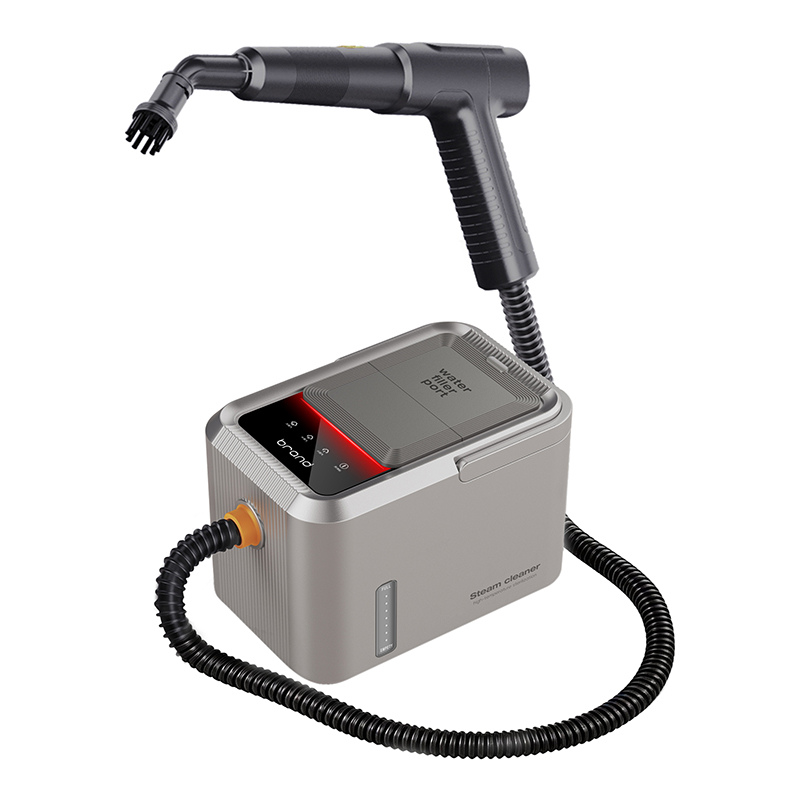 D3 Multi-Function Handheld Steam Cleaner with Attachments for All Surfaces
-
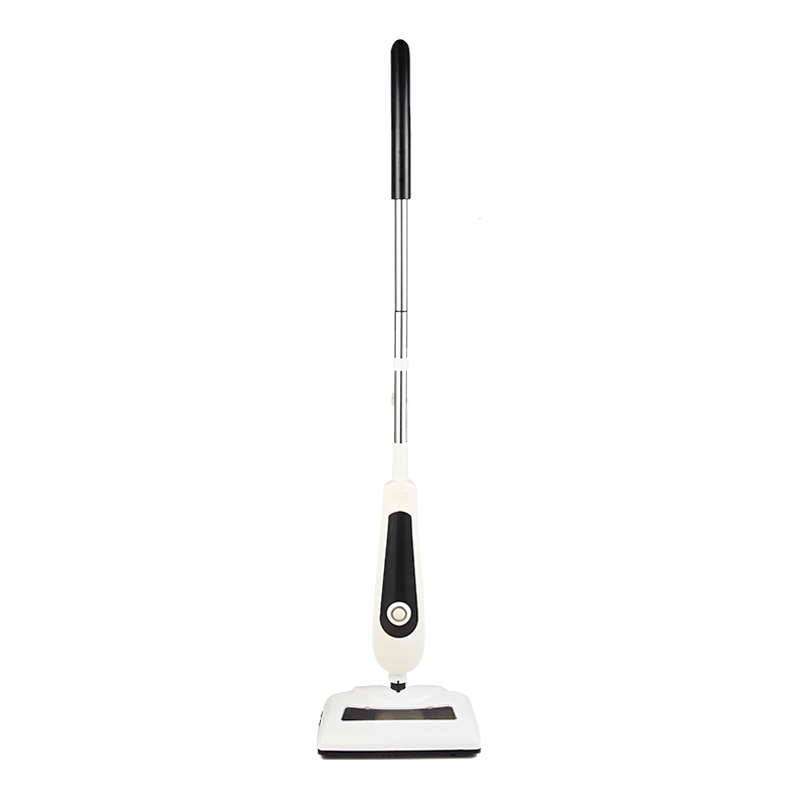 XY-202 Powerful Suction Steam Mop and Sweeper for Carpet and Hardwood
-
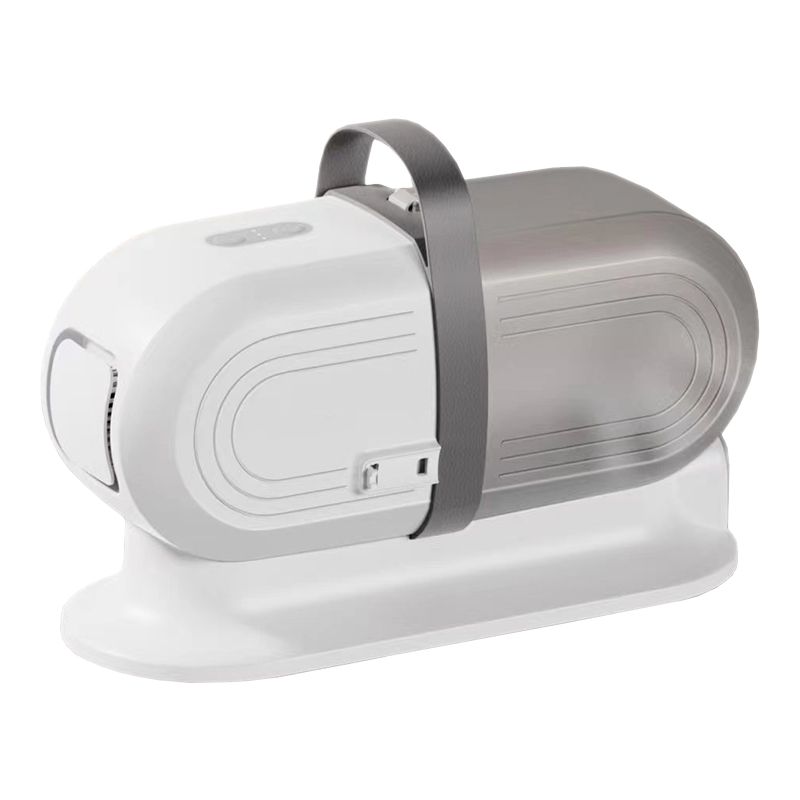 B1 Low-Noise Cordless Pet Grooming Vacuum for Dogs and Cats
-
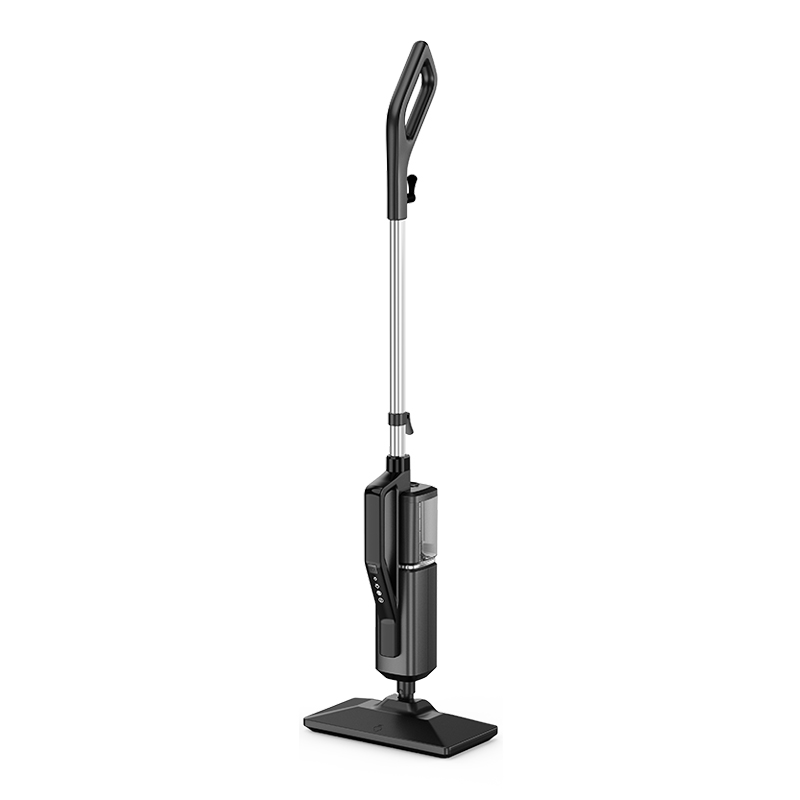 XY-617 High-Power Multifunctional Steam Mop Cleaner Portable for Home and Office Cleaning
-
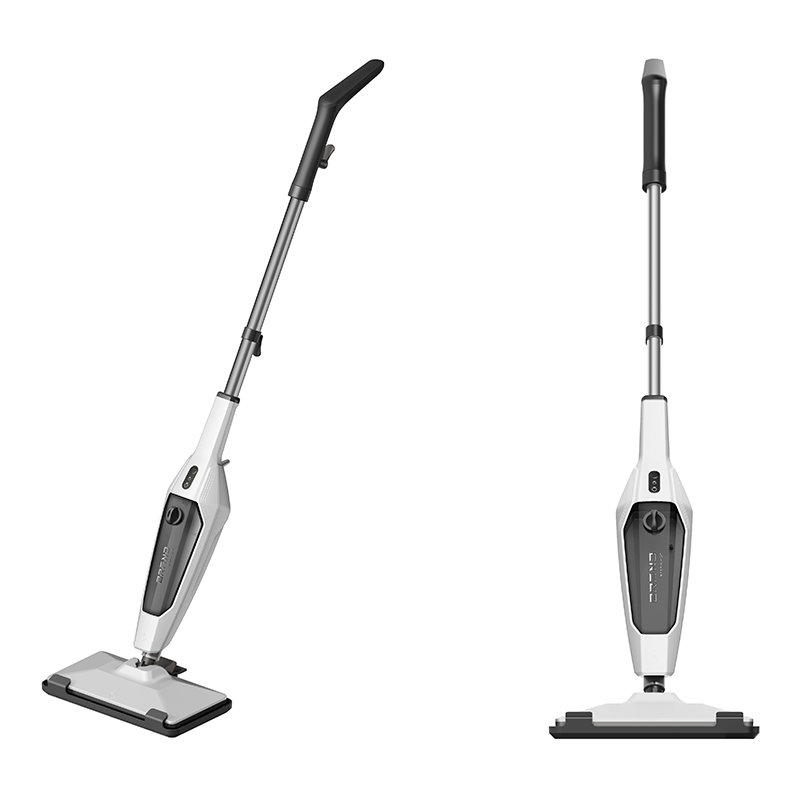 XY-611 Electric Multifunctional Steam Mop Adjustable Steam for Hardwood and Tile Floors
-
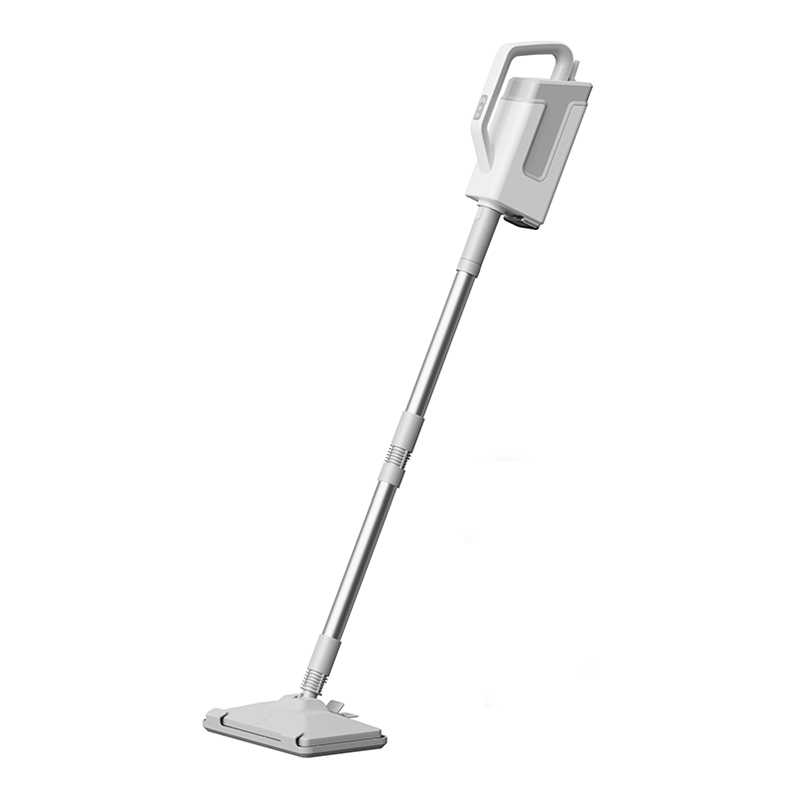 XY-612 Adjustable Handheld Multifunctional Steam Mop for Car, Home, and Commercial Use
- Vacuums for Pet Hair: A Practical Buying Guide for Homes and OEM Buyers
- Dog Grooming Tips for Beginners: Coat Tools, Short Routines, and Less Hair at Home
- How Does a Pet Grooming Vacuum Cleaner Work?
- China Home Cleaning Appliances Manufacturer: OEM and ODM Guide
- China Steam Mop and Steam Cleaner Supplier: OEM, ODM and Custom

- CONTACT INFORMATION
-
-
 +86-574-23889768
+86-15867411256
Got questions? Call us 24/7 -
 sales@nbyuexiang.com
Contact us now for a quote -
 Building 10, Wanyang (Henghe) Entrepreneurial City, Henghe Town, Cixi City, Ningbo,China(P.C.:315318)
-
- GET TOUCH
