
 English
 русский


Dog Grooming Tips for Beginners: Coat Tools, Short Routines, and Less Hair at Home
A 12 kg spaniel can leave a startling amount of hair on a two square metre rug. Most beginners notice this only after the first brushing session: the dog walks away looking tidy and the floor looks worse than it did an hour earlier. Dog grooming tips for beginners usually concentrate on the animal, but home grooming is really a two-part job, the coat on the dog and the hair that leaves it.
Here is the short version before the detail. Beginner grooming works when three things line up: the tool matches the coat, sessions stay short and repeatable, and loose hair is captured at the source instead of being chased around the room with a broom. When those three line up, the dog stays comfortable, the house stays manageable, and the routine takes under fifteen minutes a day for most breeds.
This guide is written from the equipment side of the table. Our factory in Cixi, Ningbo builds pet grooming vacuums, pet air purifiers, steam mops and steam cleaners for households, salons and retail programs, so we hear the same beginner questions after the first month: why the brush fills up in ninety seconds, why the bathroom smells of wet dog three days later, and why the sofa still has hair on it after a full session.
Grooming is not a talent, it is a repeatable process: correct tool, short session, captured hair.
Match the Brush to the Coat Before You Buy Anything
Buy the tool after you identify the coat, never before. The single most expensive beginner mistake is a bargain grooming kit that contains six brushes, four of which are wrong for the dog in front of you. A slicker used on a short beagle coat does very little and irritates the skin. A bristle brush used on a husky in spring glides over the top coat and leaves the undercoat compacted underneath, which is exactly how hot spots and matting begin.
Coat type decides three things at once: which tool touches the skin, how often you need to work, and where the risk sits. Smooth coats shed loosely and drop hair on every surface. Double coats hold dead undercoat close to the body until it packs into felt. Curly coats do not shed much at all, which sounds convenient until you realise the hair stays on the dog and tangles against the skin. Long silky coats form knots behind the ears and under the front legs within a day. Wire coats need a firmer hand and a different angle of attack.
| Coat type | Examples | First-choice tool | Practical rhythm | Main risk if skipped |
|---|---|---|---|---|
| Short smooth | Beagle, Boxer, Labrador | Rubber curry or soft bristle | 2 to 3 sessions a week, 5 minutes | Loose hair across furniture and floors |
| Double coat | Husky, Corgi, Golden Retriever | Undercoat rake plus slicker | 3 to 4 sessions a week, longer in shedding season | Impacted undercoat, skin irritation |
| Curly or wool | Poodle, Bichon, Doodle crosses | Slicker plus metal comb | Daily, 5 to 10 minutes | Mats forming tight against the skin |
| Long silky | Yorkshire Terrier, Shih Tzu | Pin brush plus comb | Daily, especially behind ears | Tangled ears, stained muzzle |
| Wire | Schnauzer, most terriers | Slicker plus stripping comb | Weekly, plus tidy-ups | Harsh handling that damages texture |
One test settles most of the uncertainty. Part the coat down the spine and look at the skin. If you can see pink skin clearly and the hair springs back quickly, you are working with a lighter routine. If the parting stays open, or you feel a dense layer that the comb cannot pass through, you are dealing with undercoat that needs a rake and patience rather than more shampoo.
If the comb cannot reach the skin, the grooming session has not started yet, no matter how long you brushed.
Set Up a Grooming Station in Ten Minutes
Dogs behave better in a station than in a random corner of the living room, and beginners groom better there too. A station means the same mat, the same light, the same order of steps, every time. Consistency is what turns a nervous animal into a cooperative one, long before any training trick matters.
What the station needs is modest: a non-slip mat so feet do not skate on tile, light that reaches the skin rather than the ceiling, a treat pouch within arm's reach, a container for used tools, and a bin or vacuum close enough that you can clear hair between sections instead of stepping over it. If you groom on a table, choose one the dog can be lifted onto safely and cover it with a rubber-backed mat. Working on the floor is fine as well, provided your back tolerates twenty minutes of kneeling.
The tool that changes the experience most is the one that removes hair while you work. A cordless pet grooming vacuum does two jobs in one pass: the brush head lifts loose hair from the coat and the airflow carries it into a canister instead of letting it settle on the mat. For a beginner, that single change removes half the frustration, because the visible progress is immediate.
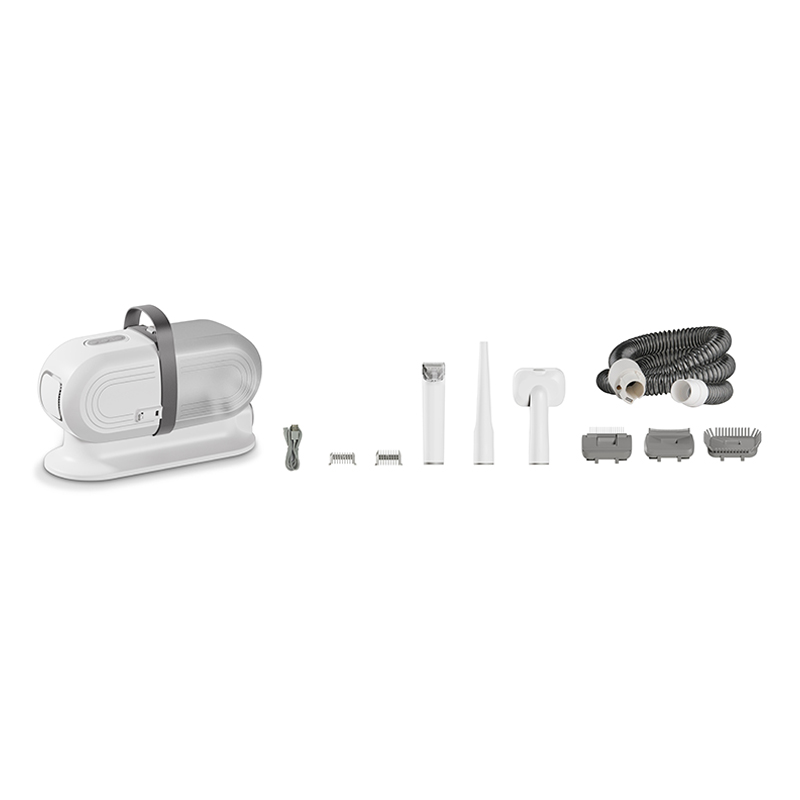 B1 Low-Noise Cordless Pet Grooming VacuumA low-noise cordless grooming vacuum with five attachments and a sealed 2L dustbin, suited to introducing nervous dogs to grooming while capturing shed hair.View Product →
Noise is where beginners get caught out. Most household vacuums run loud enough that a dog will back away from the first second, and a frightened dog is a grooming problem that lasts months. A grooming vacuum designed for animals is built around a lower noise floor and a smaller head, which lets you introduce the tool at a distance, then on the shoulders, then along the back, over several short sessions. The 3 to 4 session introduction is not wasted time. It is the difference between a dog that lies down and a dog that has to be held.
Keep the station small. A dedicated corner with a hook for the hose, a shelf for brushes and a lidded bin for hair keeps the routine fast, and speed is what makes daily grooming realistic on a working schedule.
A fixed station with a fixed order of steps reduces grooming time more than any single brush upgrade.
Dog Grooming Tips for Beginners: the Sequence That Works
Order matters more than speed. Run the same sequence every time and the dog learns what comes next, which reduces fidgeting within a week or two. The sequence below suits most coats and can be shortened for short-haired dogs.
- Hands-on check first. Run your palms over the body, legs, tail base and ears before you pick up a tool. You are looking for lumps, scabs, ticks, heat, or a flinch that was not there last week. Anything unusual is a veterinary question, not a grooming question.
- Brush in sections, not in circles. Work from the back towards the head and down the legs, lifting the coat so the tool reaches the skin. Circular scrubbing pushes loose hair back into the coat and irritates the skin.
- Comb to verify. A brush can make the surface look finished while a mat sits underneath. Follow with a metal comb; if it stops, return to that spot and separate the hair by hand before continuing.
- Empty the tool as you go. A full canister or a clogged brush stops lifting hair after a few minutes. Emptying mid-session keeps performance steady and shows you how much is actually coming out.
- Ears, eyes and face last on the body work. Use a damp cloth or a soft pad for the ear flap, never push anything into the ear canal, and wipe around the eyes with a clean, separate cloth.
- Nails after brushing. Take small amounts off at a time, stay in front of the quick, and stop while the dog is still calm. If you are unsure where the quick sits, ask a groomer to show you once on your own dog.
- Bath only when the coat needs it. Brushing removes most of the dirt that a bath would remove, and frequent bathing strips oils from the skin.
- Dry thoroughly, then reward. Damp undercoat is the start of skin problems. A towel plus low heat airflow does more than a hot dryer held too close.
Keep a full session to fifteen or twenty minutes at the start. Two short sessions a day beat one long session that ends with a frustrated owner and a tired dog. Puppies and rescues often do better with five minutes of handling and no tools at all for the first few days, followed by one section of the coat per session.
Always follow the brush with a comb. The comb is what tells you the truth about the coat.
How Often Should a Beginner Groom?
Frequency depends almost entirely on coat type, and the numbers below reflect the working rhythm rather than a strict rule. They assume a cooperative dog, an average home and a tool that is actually reaching the skin rather than gliding over the surface.
The chart shows typical weekly brushing minutes for the five common coat types, calculated as short sessions multiplied across the week. Use it as a starting budget for time, not as a target to beat.
Estimated weekly brushing time by coat type (minutes)
The gap between twenty minutes and ninety minutes a week is where most beginner schedules collapse. A short-coated dog can be handled in a few evening sessions with a rubber curry, while a wool-coated dog needs a daily five to ten minute pass simply to keep the coat from closing into felt. For the heavier coats, the practical answer is to split the weekly total into daily pieces rather than attempt a single Sunday marathon, because mats form faster than they can be removed. Shedding season shifts the numbers upward by roughly a third for double coats, and that is exactly the period when a grooming vacuum with a deshedding head earns its place, since the tool can hold the volume that a brush alone would drop on the rug. For households running several dogs, or for salon owners planning equipment, the same logic applies to capacity: canister volume and runtime matter more than peak suction claims once you are working through two or three coats in a row.
Spread the weekly total across the week. Daily ten-minute sessions beat one long weekend session every time.
Shedding Season and the Hair That Never Seems to Leave
Most of the hair you find in a home has already left the dog, and that is why a brush alone never solves the problem. Double-coated breeds release undercoat in bursts, and the dead hair either travels into the tool, settles into fabric, or becomes airborne and lands back on the floor as a fine grey film.
For long-haired and heavy-shedding breeds, a two-in-one deshedding grooming vacuum shortens the work considerably. The tool combines a grooming head with a lifting action, so the undercoat that would normally stay wedged near the skin is drawn out and stored. The practical benefit is not just a cleaner floor. Undercoat left in place traps heat, holds moisture after a walk in the rain, and reduces airflow to the skin.
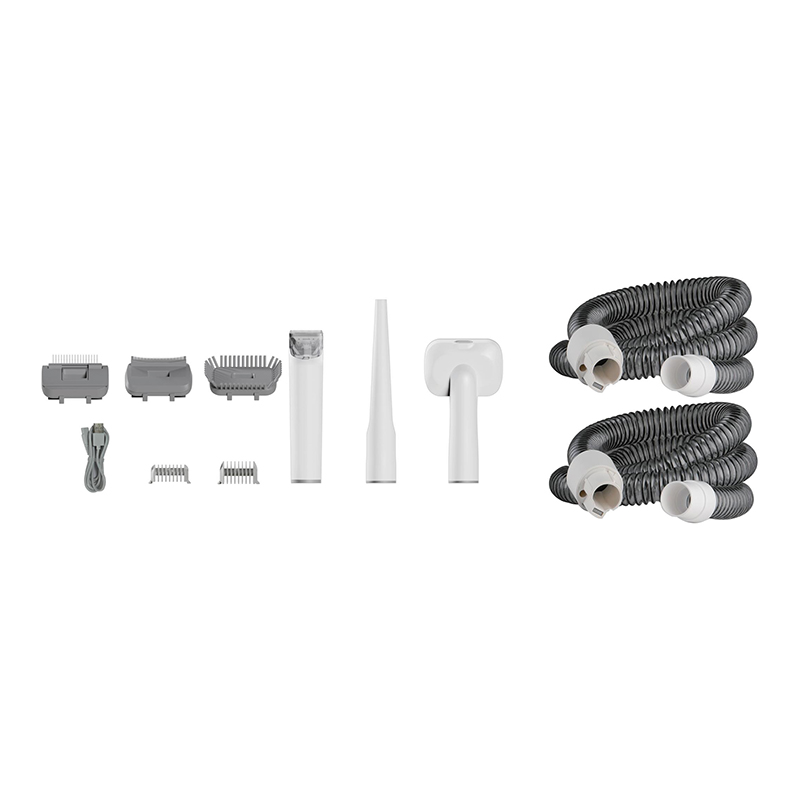 B2 2-in-1 Deshedding Grooming Vacuum for Long HairCombines adjustable suction and warm-air drying with six attachments for heavy-shedding coats, helping draw out undercoat and reduce grooming time at home.View Product →
Air is the second half of the shedding problem. Dog hair is light, so a proportion of what leaves the coat stays suspended for hours and collects on skirting boards, curtain tops and the undersides of furniture. If anyone in the house reacts to pet dander, or if the dog sleeps in a bedroom, an air purifier with a HEPA stage and a quiet running mode is worth more than another lint roller. Look for a unit rated for the room volume, and check the noise figure if it will run overnight next to the dog's bed.
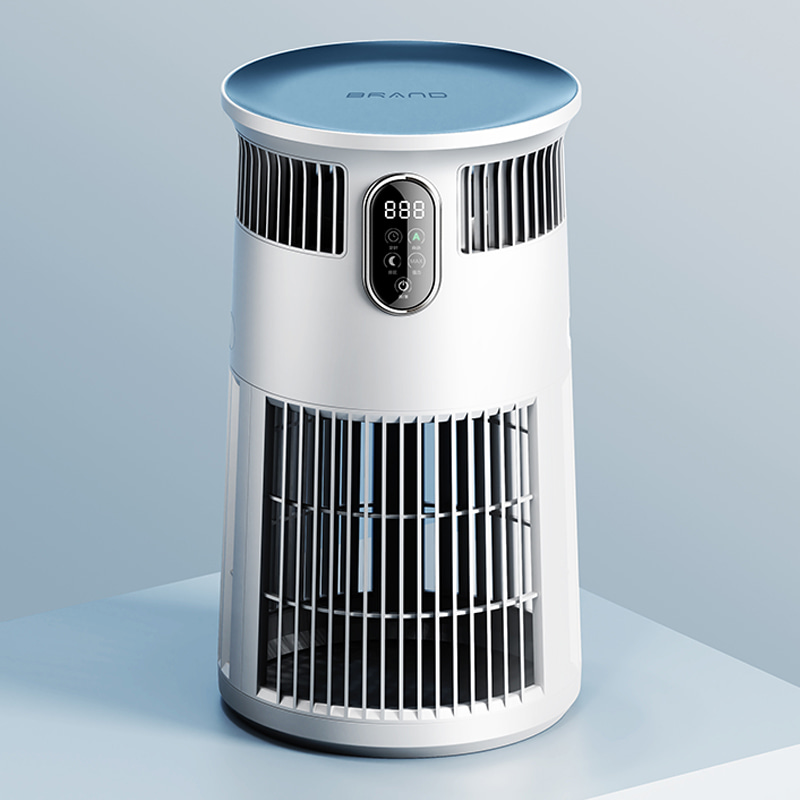 K1 Ultra-Quiet HEPA Pet Air PurifierA pet-focused purifier with three-stage HEPA and carbon filtration and a 25 dB low setting, useful for dander, hair, and litter-box odors in pet homes.View Product →
Combined, the two appliances cover the source and the residue. Grooming captures hair before it lands; filtration handles the fine fraction that escapes. Neither replaces brushing, and neither is a substitute for a bath when the coat genuinely needs one, but together they keep a home livable through a spring shed without daily vacuuming of the same rug.
Capture hair at the coat, filter what escapes, and the floor stops being the first line of defence.
Bathing Without a Wrestling Match
Most dogs need a bath far less often than their owners think, and beginners usually overdo it in the first month. Once a month is a reasonable baseline for a healthy adult dog with a normal coat, adjusted for lifestyle: a dog that rolls in something memorable gets bathed that day, while an indoor dog with a clean coat can go six to eight weeks. Puppies and dogs with skin conditions should follow veterinary advice rather than a general rule.
Use lukewarm water, not hot, and a shampoo formulated for dogs. Human shampoo is formulated for human scalp pH and strips the coat over repeated use. Dilute the shampoo before applying it, work it into the coat with your fingers rather than a scrubbing brush, and rinse longer than feels necessary, because residue is what causes the scratching that follows a bath.
Keep the head out of the spray. A wet muzzle and water running towards the eyes turn a calm dog into a struggling one within seconds. Wash the face with a damp cloth afterwards instead. Dry with towels first, then low heat airflow, and pay particular attention to the armpits, groin, ear flaps and the base of the tail, which is where damp undercoat causes trouble. Never leave a damp double-coated dog to air dry in a cool room.
Between baths, grooming sprays and dry shampoos handle light odor and static. Do not use them as a reason to skip brushing, because product sitting on an unbrushed coat holds dust and makes mats tighter. If the dog smells strongly within a few days of a bath, the cause is usually ears, teeth or anal glands rather than the coat itself.
Rinse longer than you think you need to and dry the undercoat completely, or the bath creates more problems than it solves.
The Cleanup Half of Grooming: Floor, Sofa and Air
A grooming session ends on the floor, and beginners underestimate how much of the routine happens there. Hair that has already left the dog will not be captured by a brush. It sits in rugs, along skirting boards, and in the gap between the sofa and the wall, and it reappears the moment anyone walks through the room.
For hard floors, a steam mop handles both hair and the residue that comes with it. The steam loosens dried drool, muddy paw prints and the film that builds up around a water bowl, and a machine with a washable pad means you are not pushing the same contaminated cloth around the kitchen. For homes with a mix of tile, laminate and sealed wood, an adjustable-steam model such as the XY611 series covers the variation without changing the pad mid-job, while a cordless wet and dry floor washer like the XY900 suits households where the grooming station sits on hard flooring and the hair is mixed with dust and grit.
Soft furnishings are a different problem. Vacuum the sofa with a brush attachment before you sit down, not after, and use a rubber-tipped nozzle on cushions to lift hair that has woven into the weave. Washable blankets on the dog's bed are far easier to maintain than the bed itself, so keep two and rotate them on grooming day. For the bathroom, a handheld steam cleaner with a focused nozzle reaches the grout and the corners where wet dog smell settles after a bath, and a pressurised handheld unit does that job without a bucket.
Air quality deserves a mention rather than a lecture. Dander is small enough to stay airborne for hours, and a HEPA-filtered purifier running at low speed in the room where the dog sleeps reduces the fine fraction that lands on every surface. The combination of floor cleaning, fabric cleaning and filtration is what stops a grooming routine from becoming a daily cleaning routine.
Grooming removes hair from the dog; floor and air cleaning remove what the dog has already left behind.
Seven Mistakes Beginners Make in the First Month
Most first-month problems are predictable, which means they are avoidable. These are the ones we see most often in feedback from households and from salon buyers testing equipment for the first time.
- Buying a kit instead of a tool. One correct brush and one comb outperform six brushes that do not match the coat. Add tools as the coat demands them.
- Brushing only the top layer. Surface brushing looks neat and leaves the undercoat compacted. Section the coat and reach the skin.
- Grooming after a long walk or a meal. A tired or full dog is a restless dog. Choose a quiet ten minutes instead.
- Cutting mats out with scissors. Scissor tips catch skin very easily, particularly in the armpit and groin. Use a mat splitter or hand-separate, and let a groomer take anything tight against the skin.
- Shaving a double coat for summer. The coat insulates against heat as well as cold, and shaved undercoat can grow back unevenly. Deshed, do not shave, unless a vet advises otherwise.
- Ignoring the tool's maintenance. Hair wound around a brush roller, a full canister and a clogged filter all reduce performance. Clean after every session, and it takes a minute.
- Skipping the reward. A dog that gets a treat and calm praise at the end of every session will walk to the mat on its own within a fortnight. That is the cheapest grooming upgrade available.
One more habit separates beginners who stick with it from those who give up: keep a note. Write down the date, the sections you finished and anything you noticed on the skin. Two months of notes tells you more about your dog's coat than any general guide, including this one.
Never cut near the skin with scissors. If a mat is tight, hand-separate it or hand it to a professional.
When to Stop and Call a Professional Groomer
Home grooming has a clear boundary, and beginners do better when they recognise it early. Stop and book a professional when the coat has matted close to the skin, when the dog becomes genuinely distressed or defensive, when nails have grown into the pad, or when you cannot identify what is happening on the skin.
Mats are the most common reason. A mat that feels tight and does not move with the skin restricts blood flow and traps moisture, and it cannot be brushed out from the outside. Working on it at home with a brush pulls on the skin and teaches the dog that grooming hurts, which is a difficult lesson to undo. A groomer can clip underneath the mat safely and start again with a clean coat.
Behaviour is the second reason. A dog that snaps, freezes or tries to bite is communicating, and continuing the session confirms that grooming is something to fear. A professional groomer sees this weekly and can work with your vet on a plan. The same applies to senior dogs with arthritis, dogs recovering from surgery, and dogs with skin conditions under treatment.
Nails deserve their own caution. Cutting past the quick is painful and bleeds freely, and a dog that has one bad experience often refuses the clippers for a year. If you are unsure where the quick sits, ask a groomer or vet technician to show you on your own dog once, then keep the trims small and frequent.
A matted coat is a professional job. One bad home session can set a dog back for months.
Buying Grooming Equipment for a Home, a Salon or a Shelf
The requirements change sharply depending on who is buying. A household needs one machine that is quiet enough for a nervous dog and small enough to store. A salon needs runtime, canister volume, replaceable heads and service support. A retailer or distributor needs consistent build quality, packaging that explains the product in a single glance, and documentation that clears customs and safety review without delay.
For trade buyers, the practical checklist is short. Confirm the noise figure at the working distance, not at the motor. Confirm canister volume against the average coat volume per session. Confirm which attachments ship in the box, because a deshedding head and a crevice tool are what separate a pet grooming vacuum from a repurposed household unit. Confirm the filter type and how easily a customer can replace it. Then confirm certification for the destination market, since GS, CE, RoHS, FCC, UL, PSE and SAA requirements differ and a single missing mark can hold a container at the port.
Our factory has been building household cleaning and pet appliances since 2008, with an in-house mould shop, injection moulding machines and assembly lines in Cixi, Ningbo, and products shipping to more than 30 countries across Europe, the United States and Southeast Asia. That structure matters for buyers because tooling, moulding and assembly sit under one roof, which shortens the path from a specification change to a production sample. OEM and ODM programs are open across steam mops, steam cleaners, pet grooming vacuums, pet air purifiers and neck massagers, and a manufacturer that already produces both floor care and pet care can often consolidate a retail program into a single shipment.
For wholesalers, the volume question usually comes down to carton efficiency and accessory commonality. Where two models share a brush head, a filter or a hose, spares inventory stays small and after-sales support stays simple. That is a design decision as much as a purchasing one, and it is worth raising early in the conversation rather than at the sampling stage.
Where to Go Next
For trade buyers, the noise figure and the spare part list matter more than the peak suction number on the box.
Frequently Asked Questions
What is the first grooming tool a beginner should buy?
A metal comb and one brush matched to the coat. The comb verifies whether the brush is actually reaching the skin, and that single check prevents most beginner mistakes. Add a nail trimmer and a dog-specific shampoo next, then consider a grooming vacuum once the routine is established.
How often should I bathe my dog?
Around once a month suits most healthy adult dogs, adjusted for lifestyle and coat type. Dogs that swim or roll in mud need more, indoor dogs with clean coats need less. Over-bathing strips oils and causes scratching, so brush thoroughly before deciding a bath is needed.
Can I use human shampoo on my dog?
Not as a regular habit. Human shampoo is formulated for human skin pH and dries out a dog's coat over repeated use. A dog-specific shampoo, diluted before application and rinsed thoroughly, keeps the skin comfortable and the coat manageable.
How do I stop my dog being afraid of the clippers or grooming vacuum?
Introduce the tool switched off, at a distance, with treats. Then run it in another room while the dog rests, and gradually reduce the distance over several days. Never chase a retreating dog with a running tool; let the dog choose to come closer, and keep early sessions under two minutes.
How do I groom a double-coated dog without shaving it?
Use an undercoat rake and a deshedding head to remove the dead layer, working in sections and finishing with a comb. Shaving removes insulation and can affect regrowth. Deshedding plus regular bathing handles heat far better than clipping the coat short.
Is a pet grooming vacuum safe for cats?
Many low-noise grooming vacuums are designed for both dogs and cats, but the introduction has to be slower and the session shorter. Start with the lowest setting and a brush head rather than a clipper head, and stop before the cat becomes tense.
How do I clean grooming tools?
Remove hair from brushes after every session, wash washable pads in warm water, and empty and rinse the canister. Check the filter weekly and replace it as the manual specifies. Clean tools grip hair better and smell better, which matters more than most beginners expect.
Do I still need a professional groomer if I groom at home?
Usually yes, at least a few times a year. Home grooming maintains the coat between visits; a professional handles matting, difficult nails, breed-specific styling and anything the dog will not tolerate at home. Most owners find a three to four visit yearly rhythm keeps both jobs manageable.
What noise level should a grooming vacuum have for nervous dogs?
Lower is better, and the figure at the dog's ear matters more than the motor rating. Ask for a measurement at working distance, and check whether the unit has a low-speed mode, since most of the desensitisation work happens at the lowest setting.
Beginner grooming succeeds on repetition, not intensity: the same order, the same short session, the same reward at the end.
Twelve weeks of consistent short sessions will do more for a coat than any single purchase. Tool choice shortens the work, a fixed station keeps the dog calm, and capturing hair at the source keeps the house livable through shedding season. Start with the coat in front of you, buy one tool that matches it, and add the rest as the routine proves itself.
For households, that usually means a brush, a comb and a quiet grooming vacuum. For salons and trade buyers, it means specifying noise, canister volume, attachments and certification before the first sample order, then building a spare-parts list that keeps the program running long after the container arrives.
Match the tool to the coat, keep the sessions short, and clean up as you go, and grooming stops being a chore and becomes a fifteen-minute habit.
-
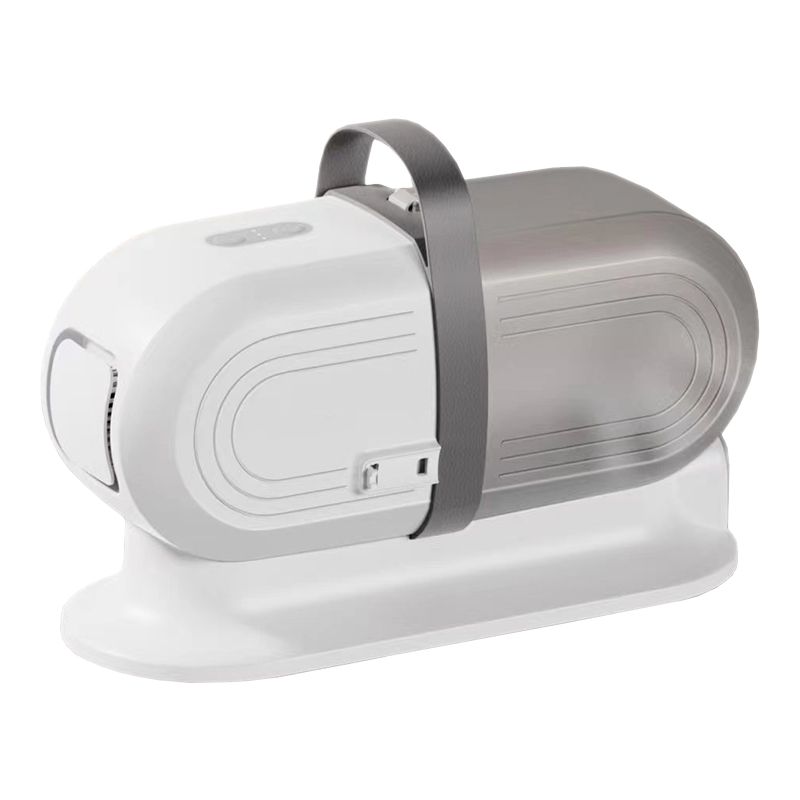 B1 Low-Noise Cordless Pet Grooming Vacuum for Dogs and Cats
-
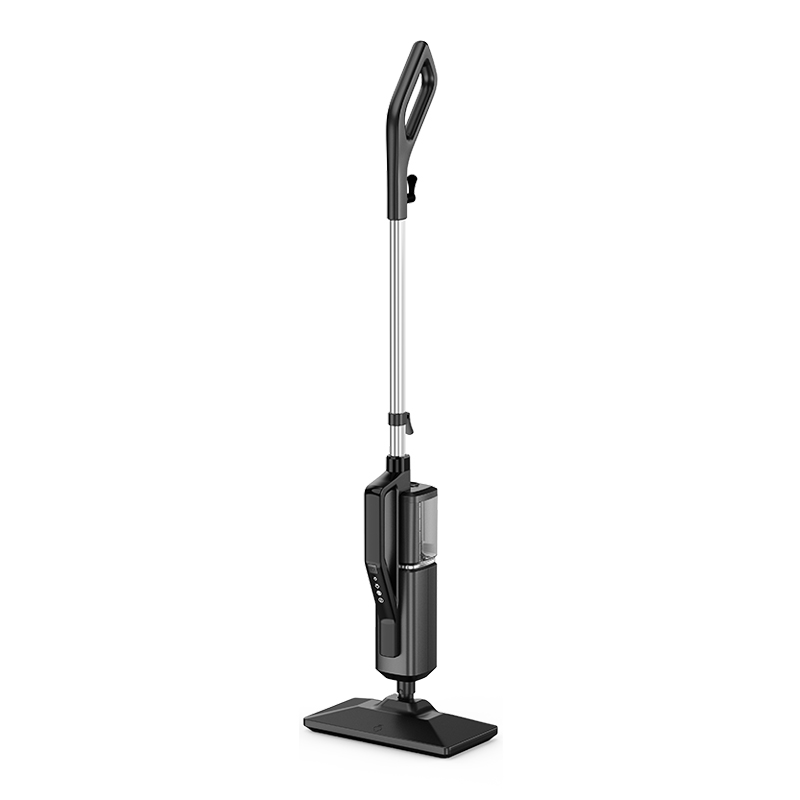 XY-617 High-Power Multifunctional Steam Mop Cleaner Portable for Home and Office Cleaning
-
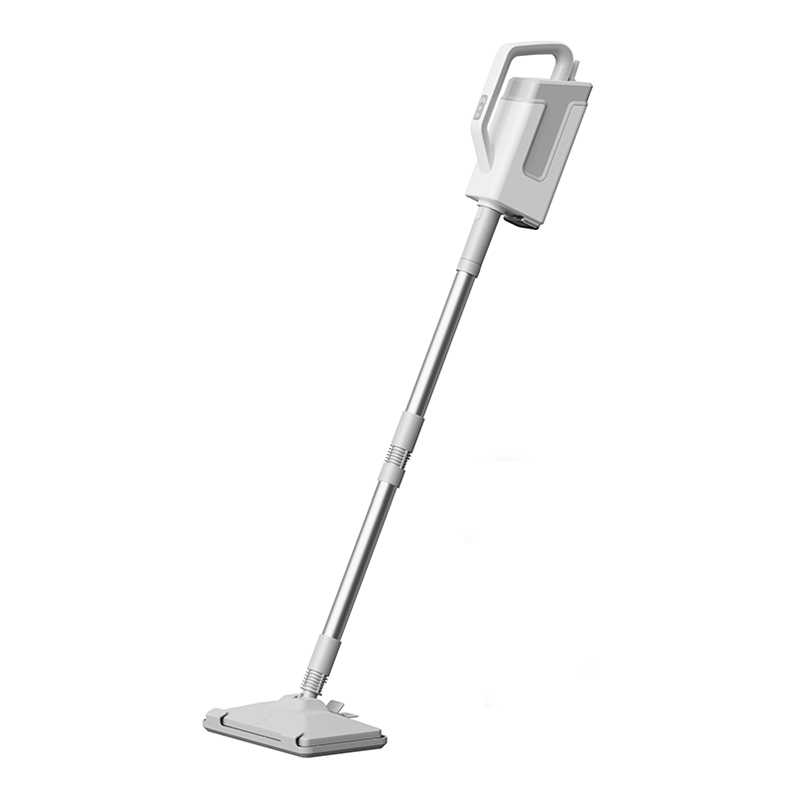 XY-612 Adjustable Handheld Multifunctional Steam Mop for Car, Home, and Commercial Use
-
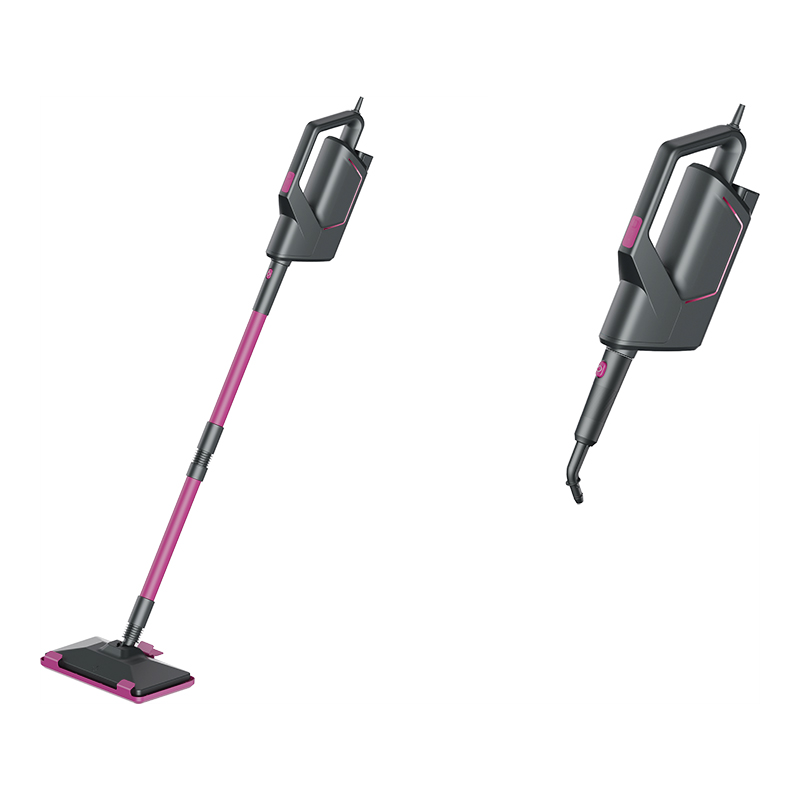 XY-614 Portable Multifunctional Steam Mop 1500W for Home and Hotel Cleaning
-
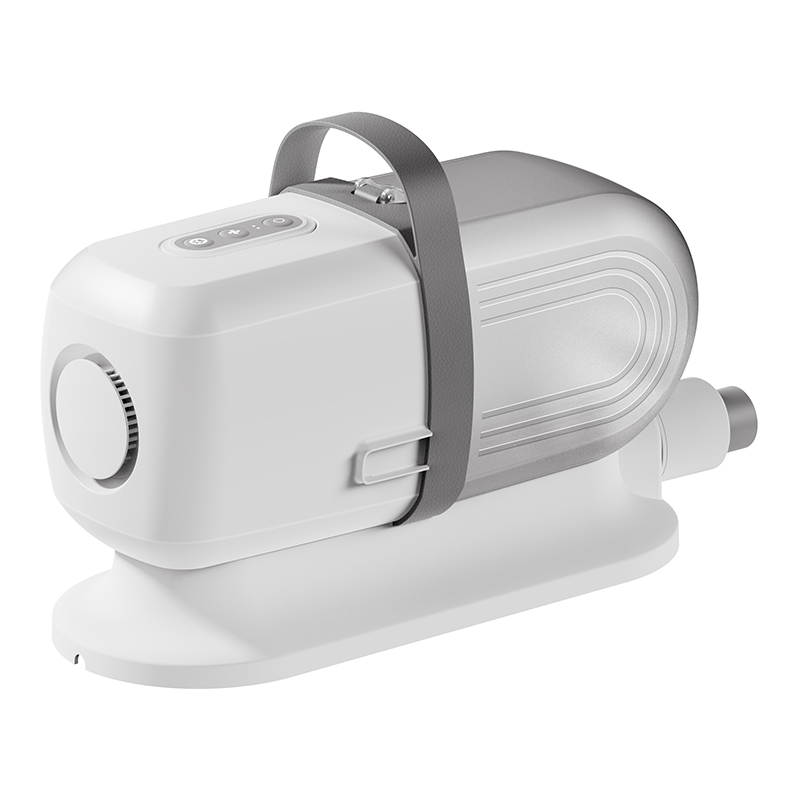 B2 2-in-1 Deshedding Pet Grooming Vacuum for Long Hair Breeds
-
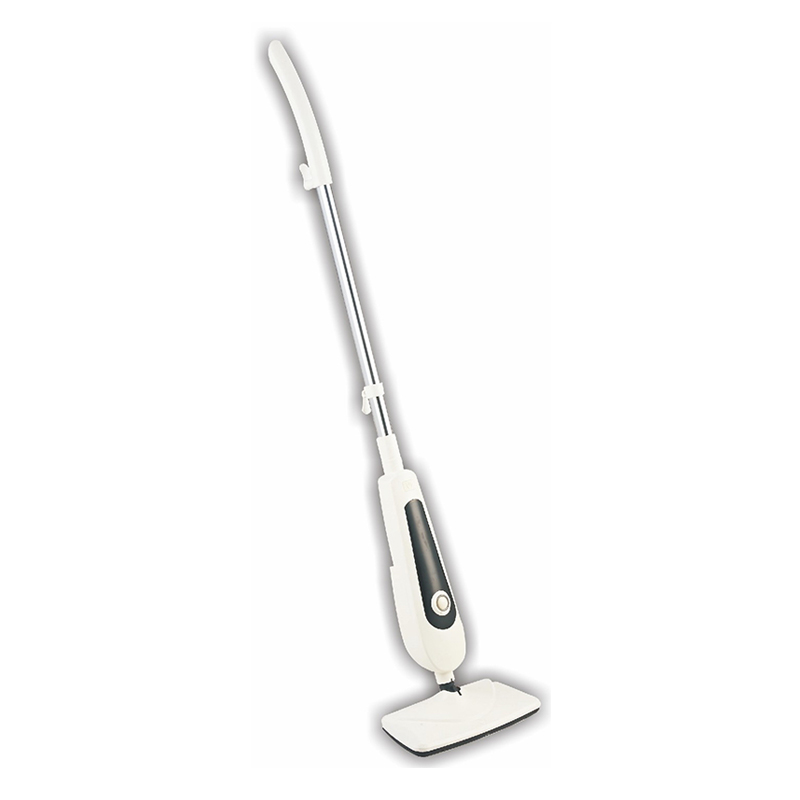 XY-306 High-Temperature Steam Mop Cleaner for Hospitals and Childcare Facilities
- Vacuums for Pet Hair: A Practical Buying Guide for Homes and OEM Buyers
- The Real Benefits of a Neck Massager: What Buyers and Sourcing Teams Should Know
- China Home Cleaning Appliances Manufacturer: OEM and ODM Guide
- Portable Neck Massager Sourcing Guide for OEM Buyers and Wholesale Teams
- How Does a Pet Grooming Vacuum Cleaner Work?

- CONTACT INFORMATION
-
-
 +86-574-23889768
+86-15867411256
Got questions? Call us 24/7 -
 sales@nbyuexiang.com
Contact us now for a quote -
 Building 10, Wanyang (Henghe) Entrepreneurial City, Henghe Town, Cixi City, Ningbo,China(P.C.:315318)
-
- GET TOUCH
